

What Are the 2026 Top Bag Chain Types for Buyers?
A top bag chain type in 2026 is defined by performance, not visual novelty. Buyers now examine weight, flexibility, surface protection, and repairability before ordering. Grand View Research estimates the global handbag market could reach about USD 113 billion by 2030. That growth increases demand for dependable hardware.
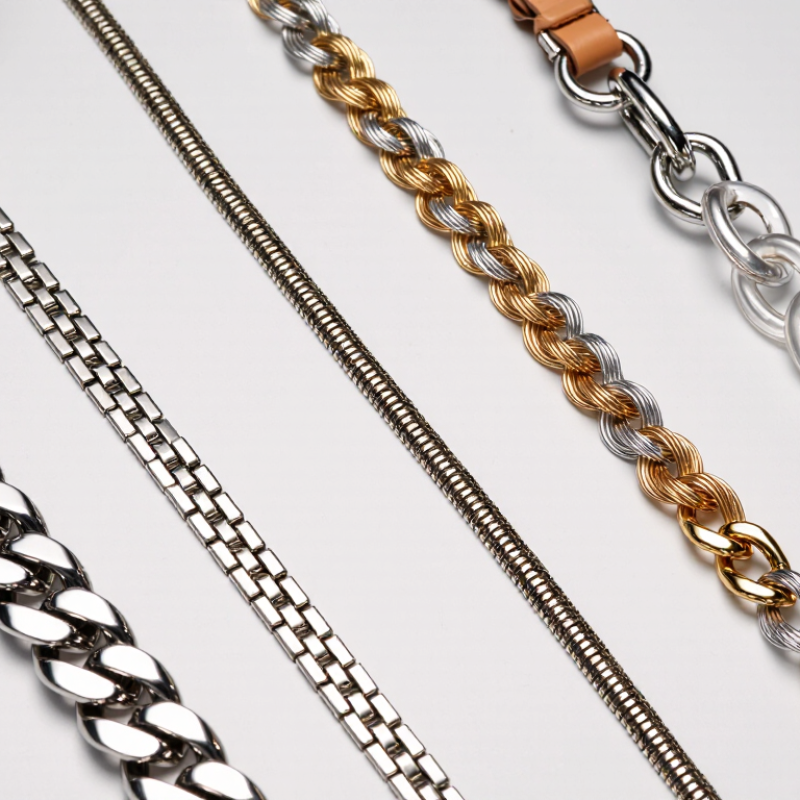
Curb chains offer strong visual structure and suit heavier bags. Snake chains create a smooth, fluid profile for compact shoulder styles. Paperclip chains provide a modern look, but wider links may add unwanted weight. Twisted cable chains remain practical for daily use.
Material consistency matters more than trend language. A buyer should request metal composition, coating thickness, salt-spray results, and cycle-testing records.
ASTM testing methods can help assess corrosion and mechanical durability, although suppliers may interpret results differently. That is a weak point. Independent verification remains necessary. The European Chemicals Agency also emphasizes responsible chemical management in treated metal products, supporting safer and more traceable sourcing.
Comfort is another defining measure. A chain should not pinch fingers, scrape fabric, or create sharp noise during movement. Buyers can test 5,000 to 10,000 opening cycles and inspect every joint afterward.
Recycled metal may reduce material impact, but certification and batch records must support the claim. The Ellen MacArthur Foundation links circular design with longer product use, yet chain hardware is often overlooked.
In my experience, the best type is the one that survives real handling quietly.
Trend appeal still matters. It simply should not lead the decision.