2026 Top Plastic Jar with Lid Features and Uses Guide?
In the world of storage solutions, the "Plastic Jar with Lid" stands out for its versatility and functionality. According to industry expert Sarah Klein, “A well-designed plastic jar can transform how we organize and preserve our products.” This statement highlights the importance of selecting a quality jar that meets specific needs.
Plastic jars with lids come in various sizes and shapes. They are ideal for storing food, craft supplies, or even personal care items. Their airtight seals ensure freshness and protection. Yet, not all products are created equal. Some jars may warp or degrade over time, especially when exposed to heat or sunlight. Consumers must be mindful of the material quality and overall design.
Understanding the features and uses of plastic jars is essential for making informed choices. From BPA-free options to space-saving designs, there's a lot to consider. As we explore this topic, it is crucial to address the pitfalls that may arise. A thoughtful selection of a "Plastic Jar with Lid" can greatly enhance your storage solutions, but overlooking details may lead to frustration.
2026 Trends in Plastic Jar Design and Material Innovations
In 2026, the design of plastic jars is evolving rapidly. Manufacturers are focusing on sustainability. Biodegradable materials and recycled plastics are becoming popular. These innovations aim to reduce environmental impact. Bright colors and unique shapes are also trends this year. These designs attract consumers and enhance shelf appeal.
In addition to aesthetics, functionality matters. Adjustable lids and easy-to-grip designs are often highlighted. Many jars now feature airtight seals for preserving contents. However, some recent designs raise concerns about user-friendliness. Complex closures may frustrate consumers. Finding a balance between innovation and practicality is crucial.
The trend towards customization is growing. Brands are exploring more personalized packaging options. Consumers desire unique experiences. This shift could complicate production processes. Companies must reflect on these challenges. Engaging with customer feedback will be essential in this evolving landscape.
2026 Trends in Plastic Jar Design and Material Innovations
Key Features of Plastic Jars with Lids: Durability and Versatility
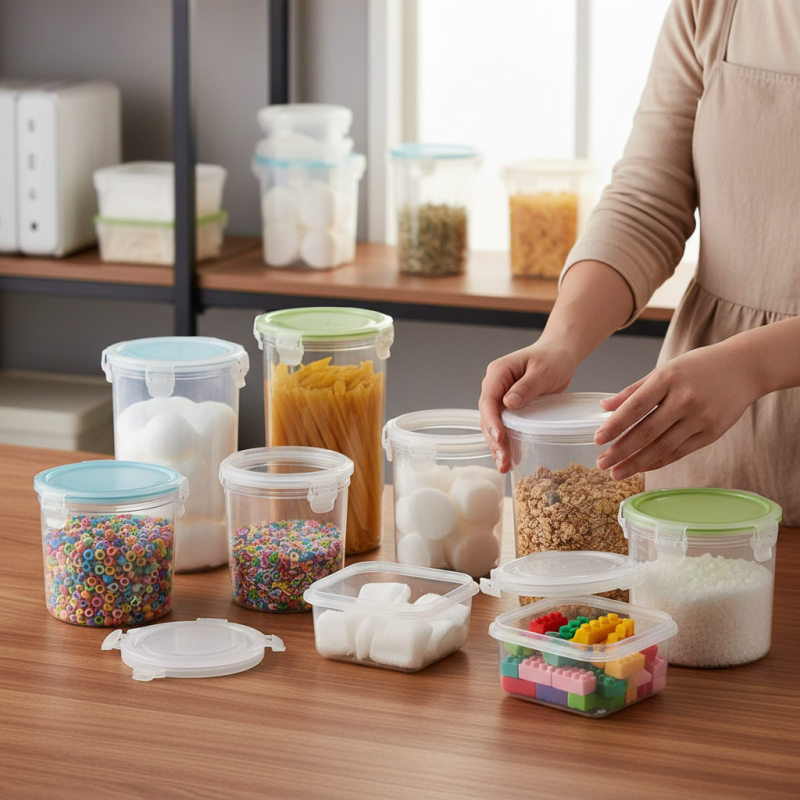
Plastic jars with lids are incredibly durable. They resist breakage and can withstand various temperatures. Unlike glass, these jars are lightweight and easy to transport. Users enjoy this feature immensely. The lids often seal tightly, keeping contents fresh for extended periods.
Versatility is another key attribute of plastic jars. From food storage to crafting supplies, these jars meet various needs. People use them for organizing everything. You can store spices, nuts, and even small toys inside. However, some users worry about long-term chemical interactions with food. It’s essential to choose jars made from safe materials.
The designs offer both functionality and style. Clear plastic jars let you see the contents easily. Bright colors make them appealing. Yet, some may find them less aesthetic than glass alternatives. It's a trade-off worth considering, especially for kitchen displays.
Common Uses of Plastic Jars with Lids in Various Industries
Plastic jars with lids are versatile containers widely used across various industries. They offer secure storage solutions, enhancing product safety and shelf life. In the food sector, around 70% of packaged goods utilize plastic jars. These containers keep ingredients fresh and reduce spoilage. For instance, a clear jar can showcase colorful ingredients, attracting customers.
In the cosmetic industry, manufacturers value plastic jars for their lightweight design and varied sizes. Reports indicate that about 40% of beauty products, including creams and lotions, come in plastic jars. This allows brands to offer eco-friendly options, appealing to a growing market of conscious consumers. However, the environmental impact of plastic waste remains a critical concern.
Pharmaceutical companies also rely on plastic jars for safe medication storage. It's estimated that around 60% of medications are packaged in plastic. This practice enhances medication adherence and safety, yet questions arise about long-term sustainability. The challenge remains to balance convenience with the need for greener alternatives in packaging.
Environmental Impact of Plastic Jars and Recyclability Considerations
The environmental impact of plastic jars is significant. In 2021, over 348 million tons of plastic were produced globally. A large portion of this was for packaging. Plastic jars, often used in food and personal care products, contribute to this problem. They are lightweight and durable, but their persistence in the environment is concerning.
Recyclability is a key consideration in choosing plastic jars. According to the National Association for Pet Container Resources, about 29% of plastic containers are recycled in the U.S. Many consumers lack awareness of recycling guidelines. This leads to contamination and lower recycling rates. Efforts are needed to improve education on proper disposal.
Despite some manufacturers using recycled materials, many jars still end up in landfills. Only a small fraction is repurposed. The challenges of creating a circular economy for plastics remain. There is also a need for innovation in biodegradable materials that can replace conventional plastics. These complexities highlight the ongoing debates in the industry. They prompt reflection on our consumption patterns and their broader implications.
Market Data: Growth Projections for Plastic Jars by 2026
The plastic jar market is on a growth trajectory. By 2026, experts project a substantial rise in demand. Reports indicate an anticipated growth rate of 4.5% annually through this period. This increase stems from the jars' versatility and durability.
Consumers increasingly prefer plastic jars for packaging food and non-food items. A study shows that around 65% of consumers appreciate their lightweight nature. Many users emphasize ease of use and resealability. Convenience plays a significant role in their popularity. This has led manufacturers to innovate in design and functionality.
However, challenges remain. Concerns about environmental impact continue to linger. Many companies are reassessing materials used in production. Biodegradable options are gaining attention. Yet, some argue that these alternatives may not meet all performance standards. As the market evolves, balancing functionality and sustainability will be crucial.