Top Benefits of Using Sachet Film for Packaging Solutions?
Sachet Film is revolutionizing the packaging industry. According to a recent report by Technavio, the global sachet packaging market is expected to grow by over 5 billion dollars from 2021 to 2025. This growth emphasizes the rising demand for efficient, cost-effective, and eco-friendly packaging solutions.
Industry expert Dr. Emily Carter, a leading figure in biodegradable materials, states, “Sachet films provide a perfect blend of convenience and sustainability.” This sentiment reflects a growing trend towards environmentally conscious packaging. Sachet Film not only enhances product preservation but also reduces waste. These films are versatile and can package anything from food items to personal care products.
Moreover, the use of Sachet Film can improve shelf life and reduce shipping costs. Companies adopting this packaging method often report higher consumer satisfaction. However, while benefits are evident, there remains a challenge in material sourcing and production sustainability. Exploring these aspects can lead to more optimized usage of Sachet Film in diverse industries.
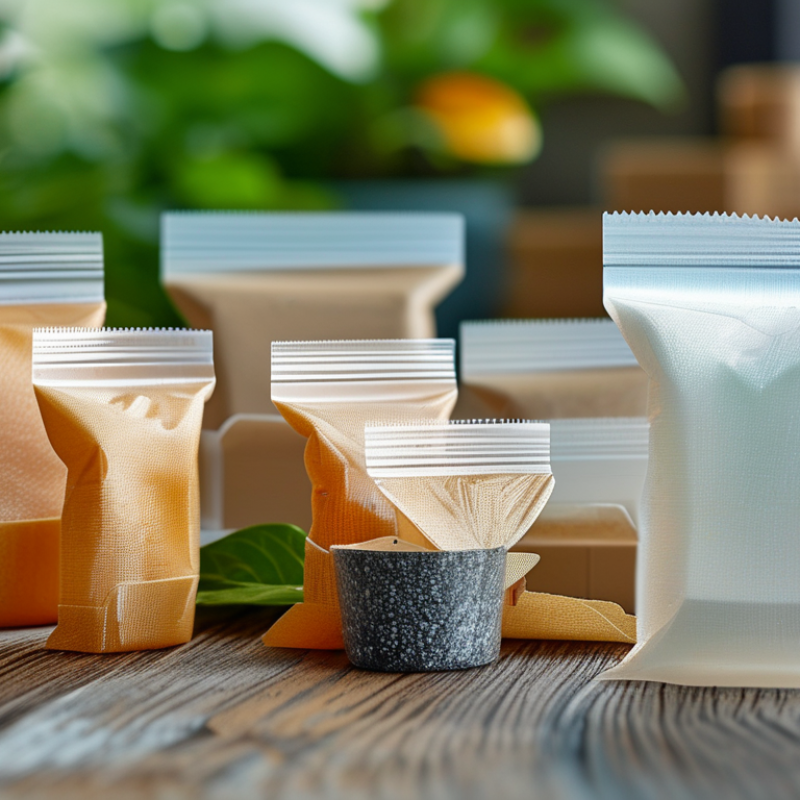
Advantages of Sachet Film in Modern Packaging Solutions
Sachet film has become a key player in modern packaging solutions. It offers versatility and practicality that traditional packaging materials often lack. With the rise of e-commerce, smaller and customizable packaging formats are essential. According to a recent report by Allied Market Research, the global sachet packaging market is projected to reach $18.12 billion by 2025.
These films protect products from moisture, oxygen, and light, enhancing shelf life. This is crucial, particularly for perishable goods. Additionally, sachet films are lightweight, reducing shipping costs. This can positively affect a company's bottom line. However, it is essential to choose the right material, as not all sachet films offer the same protective qualities.
Yet, challenges exist within this sector. Not all sachet films are recyclable, which raises sustainability concerns. Companies must work to find eco-friendly materials that don’t compromise product safety. Moreover, while sachets are economical, they may lead to excessive packaging waste. Balancing cost-effectiveness with environmental responsibility is vital for the industry’s growth.
Enhanced Product Protection Offered by Sachet Film
Sachet film represents a significant advancement in packaging technology, primarily because of its superior protection features. This thin, flexible material creates a barrier against moisture, oxygen, and contaminants. By sealing products tightly, sachet film minimizes the risk of spoilage and maintains freshness over time. Many manufacturers find this especially crucial for food and pharmaceutical products.
The versatility of sachet film also contributes to its protective qualities. It can be customized in thickness and composition to suit various products. This adaptability ensures specific needs are met effectively. However, the challenge lies in finding the right balance between protection and sustainability. As environmental concerns grow, the reliance on non-biodegradable materials like sachet film can raise questions. Companies must reflect on their packaging choices and seek eco-friendly alternatives while maintaining product integrity.
By enhancing product protection, sachet film plays an essential role in many industries. Yet, businesses face the ongoing dilemma of balancing performance and environmental impact. Customers demand effective solutions, but they also seek sustainability in packaging materials. This evolving landscape calls for innovation and thoughtful consideration in the packaging industry.
Cost-Effectiveness of Using Sachet Film for Packaging
Sachet film has gained significant traction in the packaging industry, particularly for its cost-effectiveness. According to a report by Smithers Pira, the global flexible packaging market is projected to reach $300 billion by 2025. A major contributor to this growth is the versatility and affordability of sachet films. These films offer various sizes and configurations, making them suitable for different product types.
The reduced material costs associated with sachet films are particularly notable. Studies indicate that using sachets can lower material usage by up to 20% compared to traditional packaging. This not only decreases expenses but also minimizes waste. However, the challenge lies in ensuring that the quality and durability of the packaging are maintained. Some manufacturers may compromise on thickness to cut costs, leading to potential leakage or spoilage.
Efficiency is another advantage. Sachet films require less energy to produce and transport. This can lead to a reduced carbon footprint overall. Data from the Flexible Packaging Association shows that these films typically weigh 50% less than rigid packaging. Yet, it is essential to balance cost savings with the longevity of the product. Companies should evaluate their packaging needs and ensure quality is not sacrificed for lower prices.
Sustainability Benefits of Sachet Film in Packaging
Sachet film packaging is increasingly recognized for its sustainability benefits. This type of packaging offers a smaller footprint compared to rigid alternatives. According to industry data, sachet films often use 50% less material than traditional packaging. Less raw material means reduced pressure on natural resources.
Recycling is another key aspect. Many sachet films are designed to be recyclable. This provides a viable option for companies aiming to reduce waste. A recent report highlighted that up to 70% of consumers prefer brands that use sustainable packaging options. This shift in consumer preference is steering firms toward more eco-friendly solutions.
However, there are challenges. Not all sachet films are biodegradable, and this can lead to confusion in recycling streams. Industry experts are pushing for clearer labeling. Additionally, the production process of some films can still generate significant waste. Ensuring that these films are produced sustainably remains a pressing concern. As the market evolves, better materials and practices are essential for progress in packaging sustainability.
Top Benefits of Using Sachet Film for Packaging Solutions
| Benefit | Description | Sustainability Aspect |
| Lightweight | Sachet films are lighter than traditional packaging, reducing transportation emissions. | Lower carbon footprint during distribution. |
| Reduced Material Usage | Sachet films require less material compared to rigid packaging. | Minimized waste and resource consumption. |
| Customizable Size | Available in various sizes for different needs, reducing excess product waste. | Encourages precise product servings. |
| Barrier Properties | Excellent barrier against moisture, oxygen, and light helps extend product shelf life. | Reduces spoilage and waste. |
| Recyclable Options | Many sachet films are made from recyclable materials. | Promotes circular economy in packaging. |
Versatility of Sachet Film for Various Industries and Products
Sachet film is an innovative packaging solution that offers versatility for various industries. Its design allows for easy customization to suit different products, from food items to personal care. Many sectors benefit from this flexibility. The food industry uses sachet film for single-serving packets, which enhances convenience for consumers. Personal care products like shampoos and lotions also utilize sachet film, making samples accessible to new customers.
The lightweight nature of sachet film reduces shipping costs. This is vital for companies looking to improve their bottom line. Additionally, sachet film has excellent barrier properties, protecting contents from moisture and air. However, despite its benefits, not all materials used in sachet film are recyclable. This poses a significant challenge for sustainable practices. Brands need to address this issue for long-term viability.
Customization options are another aspect worth mentioning. Brands can create unique designs that reflect their identity. This can boost product appeal and encourage consumer engagement. However, companies must consider the balance between aesthetics and functionality. Too much focus on design could compromise the practical features of the packaging. Finding the right equilibrium is crucial for maximizing sachet film's potential in various markets.
Top Benefits of Using Sachet Film for Packaging Solutions