2026 Best Medical Tube Options for Global Buyers?
The global medical tube market is experiencing significant growth, driven by increasing healthcare demands. According to a recent report by MarketsandMarkets, the medical tubing industry is expected to reach $4.12 billion by 2026, with a compound annual growth rate (CAGR) of 7.2%. This growth highlights the crucial role that medical tubes play in various medical applications, including surgeries and diagnostics.
Medical tubes are essential components in medical devices and systems. Their quality and material composition can greatly affect patient outcomes. As hospitals and clinics seek to improve patient care, it is vital to explore the best options available. However, selecting the right medical tube involves navigating a complex landscape of options and specifications.
While numerous products exist, the challenge lies in distinguishing between high-quality tubes and subpar options. Factors such as material compatibility, sterilization methods, and biocompatibility are crucial. Buyers must approach decisions with a clear understanding of their needs and the specific requirements of their applications. A careful evaluation of the market can lead to more informed choices that enhance patient safety and well-being.
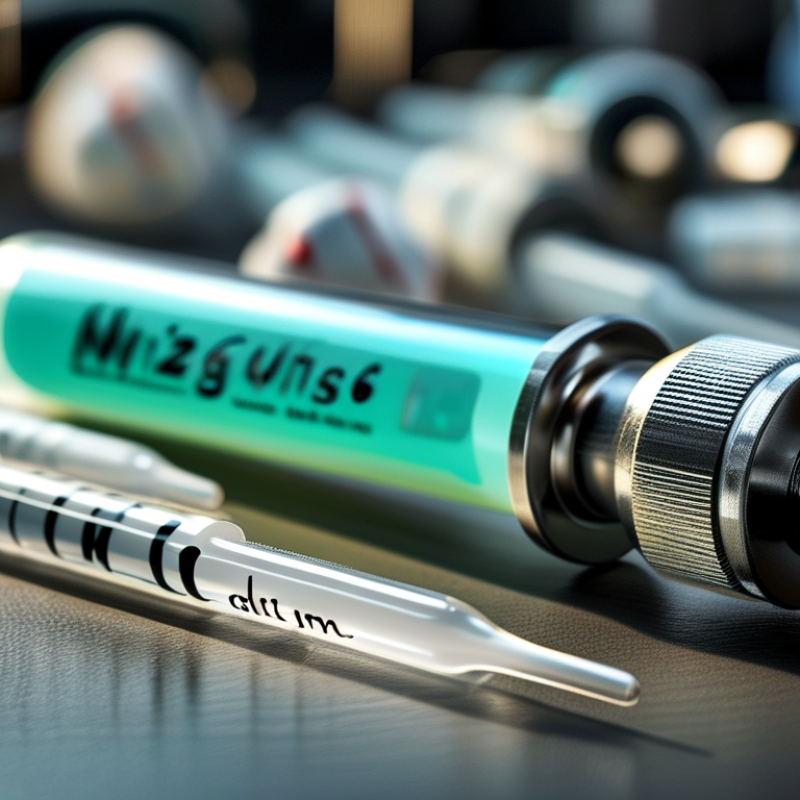
2026 Global Overview of Medical Tube Types and Their Applications
In 2026, the medical tube market will showcase diverse options tailored for various applications. Medical tubes play a crucial role in healthcare settings. They are essential for delivering medications, nutrients, and bodily fluids. From intravenous lines to ventilator circuits, these tubes have specific roles that demand high reliability and safety.
Choosing the right medical tube involves understanding its intended use. For example, silicone tubes are flexible and biocompatible, suitable for long-term applications. Polyvinyl chloride (PVC) tubes offer strength and clarity, making them a good choice for drainage systems. Each material has distinct properties, influencing its application. Buyers must consider factors like temperature resistance and chemical compatibility.
Tips: Always evaluate the tube's certifications before purchasing. Compliance with medical standards ensures safety and effectiveness. Pay attention to user feedback, as it provides insights into real-world performance. Don’t hesitate to reach out to healthcare professionals for recommendations. Their experience can guide you in making informed choices, especially when dealing with complex medical needs.
Factors Influencing the Choice of Medical Tubes for Buyers in 2026
In 2026, buyers of medical tubes face various factors influencing their choices. Quality and material safety stand out as primary concerns. A recent report from the Medical Device Regulatory Authority indicates that 75% of healthcare providers prioritize biocompatibility in their medical supplies. This reflects a growing awareness of the impact materials have on patient health.
Moreover, regulatory compliance plays a crucial role in decision-making. MedTech Insight found that 58% of manufacturers struggle with meeting international standards. Compliance with ISO and FDA regulations is not just essential but also complex. Buyers need to ensure that their suppliers can provide certifications easily. The challenge lies in identifying firms that maintain high standards continuously.
Cost considerations are another significant factor. Many buyers are drawn to budget-friendly options, but this can be deceptive. A cheaper tube may not meet necessary safety requirements, leading to potential long-term costs. This situation emphasizes the importance of doing thorough research. It’s vital for buyers to weigh cost against quality and safety standards, which can be a daunting task.
Top Manufacturers and Suppliers of Medical Tubes Worldwide
The global demand for medical tubes is set to grow significantly. According to a recent market report, the medical tubing market is expected to reach USD 8 billion by 2026, with a compound annual growth rate (CAGR) of 8%. This growth highlights the importance of sourcing high-quality medical tubes from reputable manufacturers and suppliers.
Key players in the global medical tubing industry focus on innovation and compliance. High-quality materials, such as PVC and silicone, are prevalent due to their reliability. Over 60% of medical tubes are used in applications like IV therapy and respiratory care. Yet, a gap remains in the supply chain, particularly for customized solutions. Many manufacturers struggle to meet the unique specifications required by healthcare providers.
Geographical trends show that North America leads the market. Factors like advanced healthcare infrastructure and a growing aging population drive this trend. However, emerging markets in Asia Pacific are catching up, with expected growth fueled by increasing healthcare investments. This shift prompts a reevaluation of sourcing strategies for global buyers, highlighting the need for a diverse supplier base.
Quality Standards and Regulations for Medical Tubes in Global Markets
The global medical tube market is intricate. Quality standards and regulations vary widely. Each region has specific requirements that manufacturers must meet to ensure safety and efficacy. For instance, the ISO 13485 sets the standard for quality management systems in medical devices. Compliance with this standard is crucial for securing market access.
Data from recent industry reports indicate that over 70% of global buyers prioritize compliance with these standards. Non-compliance can lead to significant financial repercussions and loss of trust. In Europe, the Medical Device Regulation (MDR) requires extensive documentation and rigorous testing for medical tubes. In the U.S., the FDA enforces strict guidelines to ensure product integrity.
Despite established regulations, challenges persist. Some manufacturers cut corners, leading to subpar products. This raises safety concerns and reflects the need for vigilance among global buyers. Regular audits and an emphasis on continuous improvement can enhance reliability in the supply chain. Buyers must seek products that adhere to these quality standards to mitigate risk and ensure patient safety.
Emerging Trends in Medical Tube Technology and Innovation for 2026
In 2026, the landscape of medical tube technology is set to evolve significantly. Innovations are expected to improve patient care and streamline medical procedures. One emerging trend is the use of advanced materials that enhance safety and efficacy. These materials reduce the risk of infections and are more biocompatible. As healthcare continues to adapt, integrating data analytics with medical tubes is becoming increasingly important. This integration allows for real-time monitoring and personalization of treatment, leading to better outcomes.
When considering medical tube options, focus on flexibility and durability. Flexible tubes can better navigate complex anatomy during procedures. Durability is essential to withstand various medical environments. Keep an eye on bioplastics as a sustainable choice. They present a promising alternative to traditional plastics. Also, consider tubes that offer easy visibility for clinicians. Visibility can play a critical role in ensuring correct placements.
However, not all innovations are perfect. Some advanced tubes may come with increased costs. It's vital for healthcare providers to weigh these costs against potential benefits. Keeping abreast of technology is crucial. Networking with professionals in the field can provide valuable insights into upcoming trends. Remember to ask for feedback from users and adapt designs accordingly. This practice can lead to better innovation strategies in medical tube development.