Best Wrapping Paper Tips for Perfect Gifts Every Time?
Wrapping Paper plays a vital role in gift-giving. According to the National Retail Federation, consumers spent over $25 billion on wrapping products last year alone. This statistic highlights how important presentation is to gift recipients. An expert in the industry, Dr. Emily Sanders, states, “The right wrapping paper can elevate even the simplest gifts.” This underscores the transformative influence of quality materials in creating an impressive presentation.
Choosing the perfect wrapping paper goes beyond aesthetics. It involves understanding how to match colors and textures to the occasion. However, many often overlook practical aspects like durability and ease of use. A poorly wrapped gift can overshadow thoughtful intentions. Reflecting on this, one might reconsider their wrapping choices next time they’re in the store.
In a world that prioritizes first impressions, wrapping paper remains a key player. While trends come and go, personalized touches still resonate. It’s time to rethink what wrapping paper means and how it can truly enhance your gift-giving experience.
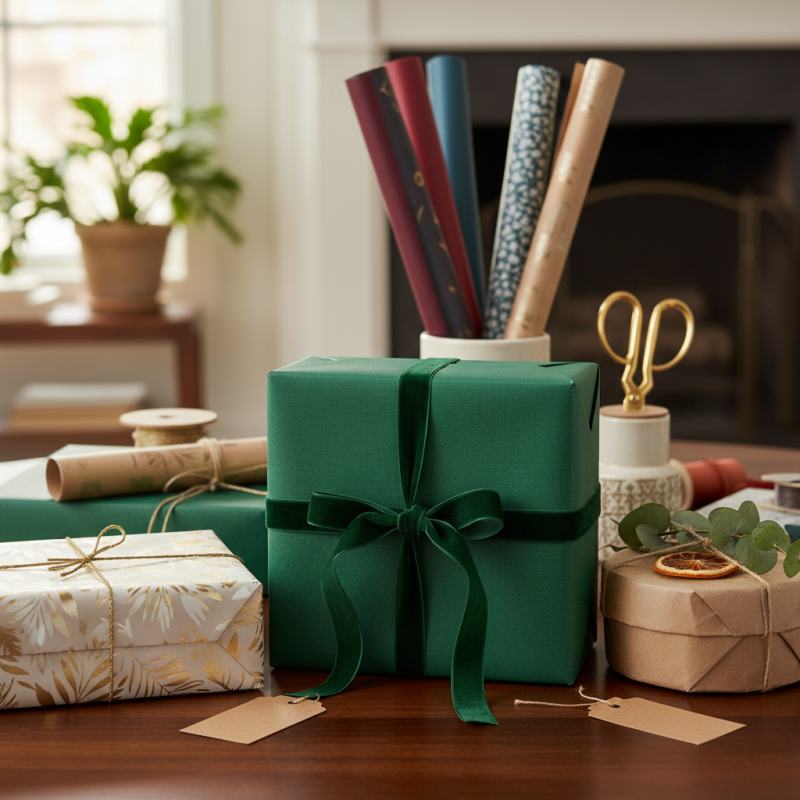
Choosing the Right Wrapping Paper for Your Gift
Choosing the right wrapping paper is crucial for making gifts stand out. Different occasions call for different styles. For festive gatherings, bright colors and shiny finishes can add excitement. In contrast, muted tones or recycled paper work well for more formal events. Consider the recipient's taste as well. Personalizing the wrapping can showcase your thoughtfulness.
When selecting wrapping paper, think about the texture. Smooth paper may be easier to work with. However, unique materials like fabric or even newspaper can add character. You might struggle with these unconventional choices, but the final look can be rewarding. Remember to match the paper with the gift's shape, ensuring it fits snugly. Wrapping a heavier item with thin paper may not provide a polished finish.
Don't forget to consider environmental impact. Opting for eco-friendly options is a responsible choice. Sometimes, this means sacrificing a glossy finish. Reflecting on the visual appeal can help you create balance. However, embracing imperfections in your wrapping can also add charm. A crooked bow or an uneven cut speaks to human touch, making your gift truly yours.
Essential Tools for Effective Gift Wrapping
When wrapping gifts, having the right tools can make all the difference. A good pair of scissors is essential. They should be sharp enough to cut through multiple layers of paper. Dull scissors can lead to jagged edges, which look unprofessional. A craft knife can also help with precise cuts, especially for intricate designs.
Tape is another crucial tool. Opt for clear tape for a seamless finish. Double-sided tape can hide imperfections. It helps to secure paper at corners and edges, giving a cleaner appearance. Remember to keep tape handy during the wrapping process to avoid frustration.
Additionally, a bone folder can give your paper crisp folds. It’s especially useful for ensuring corners are sharp. Wrapping tools can seem simple, but they play a vital role in gift presentation. If you're struggling to wrap consistently, it might be time to reconsider your technique. Practice can help improve your skills. However, it's okay if not every gift looks perfect. Embrace the uniqueness of your wrapping style.
Best Wrapping Paper Tips for Perfect Gifts Every Time
| Wrapping Technique | Essential Tools | Tips for Success |
| Classic Fold | Scissors, Tape, Ribbon | Ensure smooth edges; use double-sided tape for a clean look. |
| Box Wrapping | Wrapping Paper, Scissors, Box, Tape | Measure paper carefully; fold corners for a polished finish. |
| Gift Bag | Gift Bags, Tissue Paper, Ribbon | Layer tissue for a layered effect; choose colors that match the occasion. |
| Fabric Wrap (Furoshiki) | Fabric Square, Ribbon, Scissors | Use colorful fabric for a unique touch; learn basic tying techniques. |
| DIY Paper | Brown Kraft Paper, Stamps, Twine | Personalize your wrapping; use stamps for a custom look. |
Techniques for Neat and Professional Wrapping
Wrapping a gift can be more than just a task; it’s an art form. Start by choosing the right paper. Look for thickness and texture that enhance the overall look. Avoid flimsy paper that tears easily. A heavy-duty wrap not only looks classy but also holds everything together well. Use scissors with precision. A clean cut leads to a neater finish. If your cuts aren’t straight, the paper can bunch up. This small mistake can ruin the visual appeal.
When wrapping, smooth out those edges. Creases and folds should be sharp and neat. Take your time to fold the corners in nicely. It’s tempting to rush, but that can lead to an uneven package. Use double-sided tape for a polished look. The absence of visible tape enhances professionalism. A common struggle is wrapping awkwardly shaped gifts. It might take a few attempts to get it right. Practice makes perfect here.
Don’t forget the finishing touches. A simple bow can elevate your wrap considerably. Choose ribbons that complement your paper. Reflect on your wrapping technique each time. Consider what works and what doesn’t. It’s a learning process. Every gift is an opportunity to improve, so keep experimenting.
Creative Ways to Personalize Your Wrapped Gifts
Personalizing your wrapped gifts can transform a simple present into a heartfelt treasure. Try incorporating unique art elements like hand-drawn illustrations or custom stamps. Using your own designs adds a personal touch that speaks volumes. Choose colors and patterns that resonate with the recipient’s tastes. This thoughtful detail shows you care deeply about their preferences.
Another idea is to include a heartfelt note tucked inside the wrapping. A simple message can mean so much. You can even craft a poem that reflects your relationship or shared memories. Mixing in a small item, like a pressed flower or a shared movie ticket, creates layers of nostalgia. Don’t worry about perfection; imperfections like uneven cuts or wrinkled tape can add character. It reflects the true effort you put into the gift.
Creating a personal connection through wrapping is invaluable. It might take time and practice, but that’s part of the charm. Explore new materials, like fabric or recycled paper, and embrace a bit of experimentation. Every imperfect attempt brings you closer to making each gift special, reminding you that it's the thought that counts.
Tips for Efficiently Wrapping Gifts of Different Shapes and Sizes
Wrapping gifts can be a delightful yet challenging task, especially when dealing with various shapes and sizes. A flat box is relatively simple, but a round or oddly shaped item requires more thought. Consider using tissue paper for fragile items. It provides padding and an elegant touch at the same time. For a wine bottle, try using a fabric bag or a small box to create an attractive presentation.
Cutting the wrapping paper should be precise. A good rule of thumb is to use twice the height and length of the gift. This helps avoid awkward folding. If you find the paper is too short, don't panic. Use decorative tape or embellishments to hide the imperfections. Even a beautiful bow can distract from less-than-perfect wrapping.
A final tip for wrapping challenges? Use ribbons or washi tape creatively. They can add layers and dimension. Experimenting with different techniques can lead to fun, unique results. If your gift looks a bit rough around the edges, embrace it. The thought and effort behind a gift often shine brighter than the wrapping itself. Remember, the joy of gifting is more about the sentiment than perfection.
Best Wrapping Paper Tips for Perfect Gifts Every Time