China Top HDPE Container Types and Their Uses in Industry?
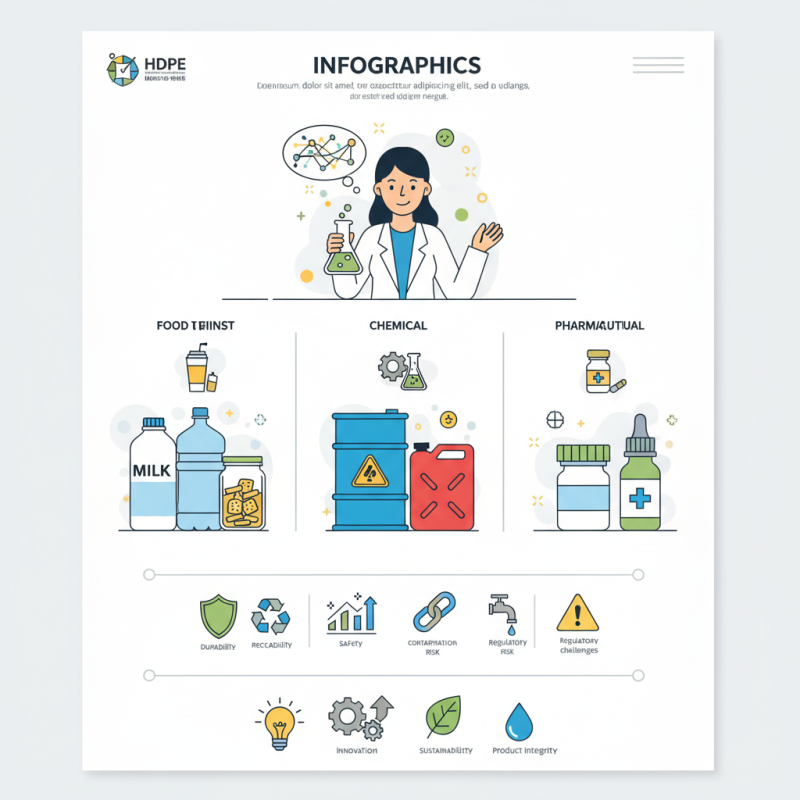
In the world of packaging and storage, HDPE containers play a crucial role across various industries. Renowned expert in polymer materials, Dr. Emily Chan, states, "HDPE containers are lightweight yet incredibly durable, making them ideal for many applications." This versatility is evident in their use in food and beverage, chemical storage, and pharmaceuticals.
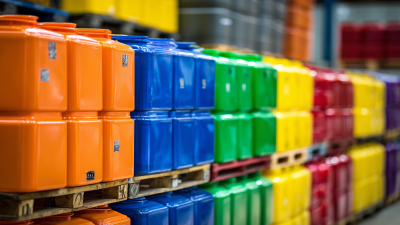
HDPE containers come in several types, each designed for specific needs. For example, drums and jerrycans are common in the chemical industry. Their resistance to impact and chemicals ensures safety during transport. Additionally, bottles and jars are popular in food services, often chosen for their recyclability and strength.
There are challenges too. Not all HDPE products meet regulatory standards, leading to a risk of contamination. The industry must address these issues. Continuous innovation is necessary to improve safety and sustainability in HDPE container production. This ongoing evolution ensures that HDPE containers remain essential in maintaining product integrity across sectors.
Types of HDPE Containers Commonly Used in China
In China, High-Density Polyethylene (HDPE) containers are widely utilized across various industries. These containers are favored for their strength and durability. They are resistant to impact and chemicals, making them suitable for storing hazardous materials. Commonly used types include bottles, drums, and jerry cans. Each type serves a distinct purpose.
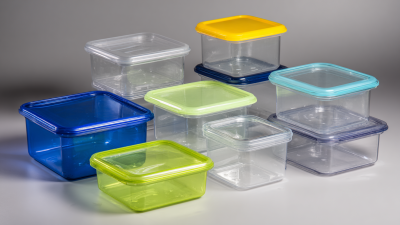
Bottles are often employed in the food and beverage industry. They are lightweight and can be produced in various sizes. HDPE bottles can resist moisture and sunlight, which helps preserve product quality. Drums, typically used in industrial settings, hold larger quantities of liquids or chemicals. Their robust design ensures safe transportation and storage. Jerry cans are versatile, often seen in agriculture and automotive applications. They are easily portable and can store both liquids and solids.
While these containers provide many benefits, there are challenges as well. Recycling HDPE can be complex, depending on local facilities. Not all containers are accepted in recycling programs. Additionally, the performing lifespan of HDPE can vary based on exposure to sun and temperature. This variability calls for careful consideration in industrial applications. It's crucial to assess the proper use and disposal methods for HDPE containers to minimize environmental impact.
China Top HDPE Container Types and Their Uses in Industry
| Container Type |
Volume (Liters) |
Common Uses |
Key Features |
| HDPE Bottles |
0.5 - 5 |
Beverages, Chemicals, Household Products |
Lightweight, Durable, Leak-proof |
| HDPE Drums |
20 - 200 |
Industrial Chemicals, Oils, Food Ingredients |
Stackable, Resistant to Corrosion |
| HDPE Containers |
5 - 1000 |
Agricultural Products, Pharmaceuticals |
Customizable, Reusable, UV Resistant |
| HDPE Jerricans |
5 - 25 |
Chemical Transport, Cleaning Supplies |
Robust Handle, Easy Pouring |
| HDPE Totes |
100 - 1000 |
Bulk Storage of Chemicals, Liquids |
Large Capacity, Secure Seal |
Applications of HDPE Containers in Various Industries
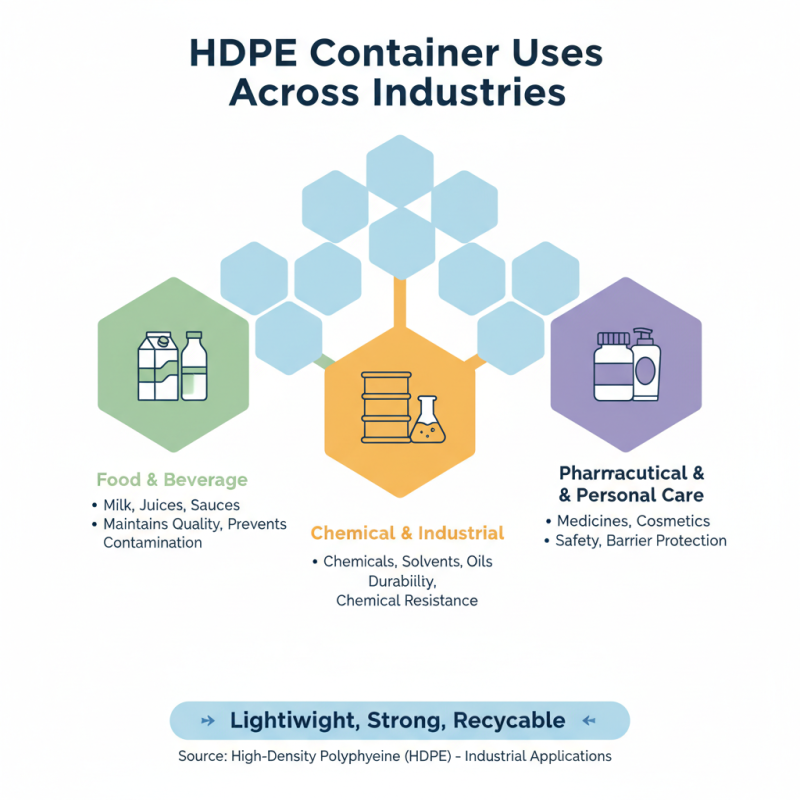
High-Density Polyethylene (HDPE) containers are widely used across various industries due to their durability and resistance to chemicals. In the food and beverage sector, HDPE containers are favored for packaging items like milk, juices, and sauces. Their ability to maintain product quality and prevent contamination is critical. These containers are lightweight yet strong, making them easy to transport and store.
In the chemical industry, HDPE containers play a pivotal role. They safely store substances such as acids and solvents without leaking or degrading. Many manufacturers prefer HDPE due to its robustness. These containers can endure extreme temperatures and harsh conditions, ensuring the integrity of the products inside. However, the recycling process for HDPE containers is still evolving, prompting ongoing discussions about environmental sustainability.
Moreover, HDPE's applications extend to personal care products and household cleaners. The material’s resistance to moisture makes it ideal for bottles and dispensers. Nevertheless, challenges arise in recycling efforts and the potential for health concerns related to microplastics. Industries must be aware of these issues when choosing packaging solutions and strive for improved practices.
Benefits of HDPE Containers Over Other Materials
HDPE containers have gained popularity in various industries due to their numerous advantages. A recent industry report highlights that HDPE is resistant to impact and withstands severe weather conditions. This makes it ideal for both storage and transportation. In fact, studies show that HDPE containers can last up to 30 years under proper conditions, far exceeding the lifespan of many alternatives.
One key benefit of HDPE is its chemical resistance. According to research from the Plastics Industry Association, HDPE does not leach harmful chemicals, ensuring safety for food and hazardous materials. This feature is particularly crucial for sectors like agriculture and food processing. Moreover, HDPE is lightweight yet durable, which reduces shipping costs and lowers carbon footprints for businesses.
Cost-effectiveness is another critical advantage. Companies save significantly on packaging expenses when switching to HDPE. However, there are environmental concerns associated with plastics. The recycling rates for HDPE are improving, yet many still end up in landfills. Businesses must reflect on their sustainability practices while enjoying the benefits of HDPE containers.
Factors Influencing the Choice of HDPE Container Types
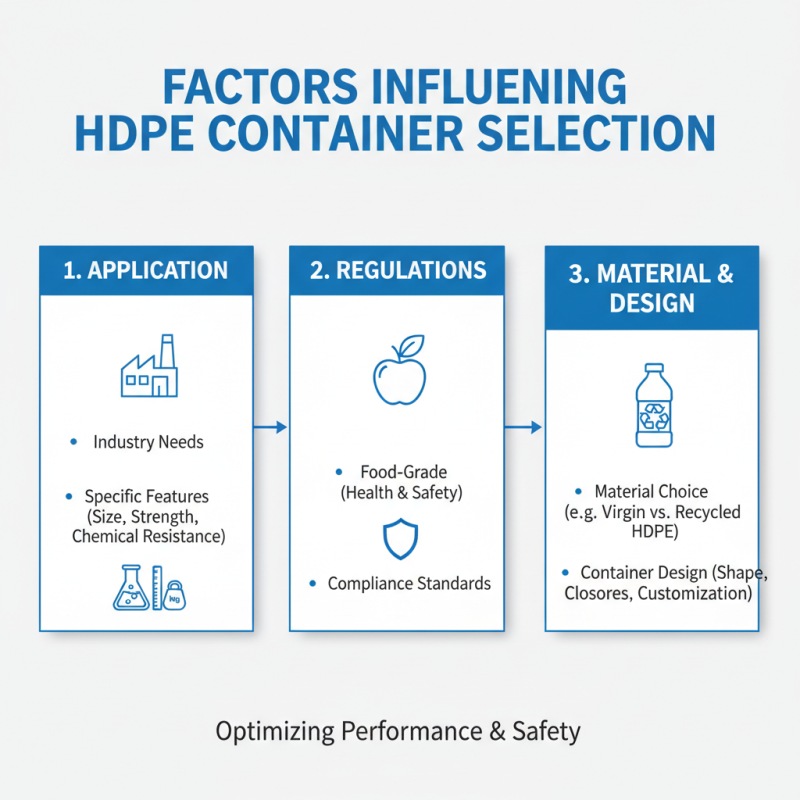
When selecting HDPE containers, several critical factors come into play. The container's application is paramount. Different industries require specific features, such as size, strength, and resistance to chemicals. For instance, food-grade containers must comply with strict health regulations. These standards greatly influence material choice and design.
Another important factor is cost-effectiveness. Businesses often operate under tight budgets. This can lead to a trade-off between quality and price. Cheaper alternatives might seem appealing but can result in long-term issues like leakage or degradation. Companies may struggle with reliability in such situations. Therefore, evaluating a container's long-term value is essential.
Finally, environmental considerations cannot be overlooked. Many industries are shifting towards sustainable practices. Using recyclable HDPE containers is increasingly popular. Companies face pressure to reduce their environmental footprint. Opting for sustainable options can enhance a company's reputation. However, sourcing eco-friendly materials can sometimes lead to supply chain challenges.
Future Trends in HDPE Container Production and Usage in China
The rise of HDPE containers in China is reshaping the industrial landscape. In recent years, demand for HDPE containers has surged due to their durability and versatility. According to industry reports, HDPE production in China is expected to grow at a CAGR of 6.5% over the next five years. This growth stems from increased consumption in sectors such as food and beverage, chemicals, and pharmaceuticals.
However, production processes face significant challenges. Aging machinery and resource inefficiencies hinder optimization. Companies must adapt to new technologies, such as blow molding and injection techniques, to enhance productivity. The industry is also grappling with environmental concerns. The trend towards sustainable practices is pushing manufacturers to explore biodegradable alternatives and recycling methods for HDPE.
Innovation in design is critical as well. With a growing emphasis on user convenience, smart packaging solutions are emerging. These containers integrate tracking systems and material recycling information. As the market matures, the ability to balance cost, sustainability, and functionality will define the future of HDPE containers in China. The ongoing transition raises questions about long-term viability and environmental impact.