Choosing a Chinese supplier is not simply a matter of comparing prices. The OECD’s Global Plastics Outlook (2022) estimates that 353 million tonnes of plastic waste were generated worldwide in 2019, with packaging representing about 40% of plastic waste. This figure covers packaging broadly, not disposable food containers alone. Still, it highlights why material choice, container weight, sealing performance, and end-of-life claims deserve careful review.
Small details matter. A lid that flexes during delivery or a base that leaks under hot food can undermine an otherwise attractive product. Design expert William McDonough’s phrase, “Waste equals food,” offers a useful circular-design question: can materials retain value after use? It is a guiding principle, not proof that a product is recyclable or compostable in every location. Buyers should check the evidence.
This guide compares ten Chinese manufacturers of disposable food containers, considering product range, customization, quality controls, export experience, and support for material claims. Supplier capabilities can vary, even within the same product category. A polished catalogue is not enough. Request samples and review relevant food-contact documents and test results for heat resistance, leakage, and stacking. These checks do not replace buyer verification. The shortlist is a starting point, not an endorsement of every product or claim.
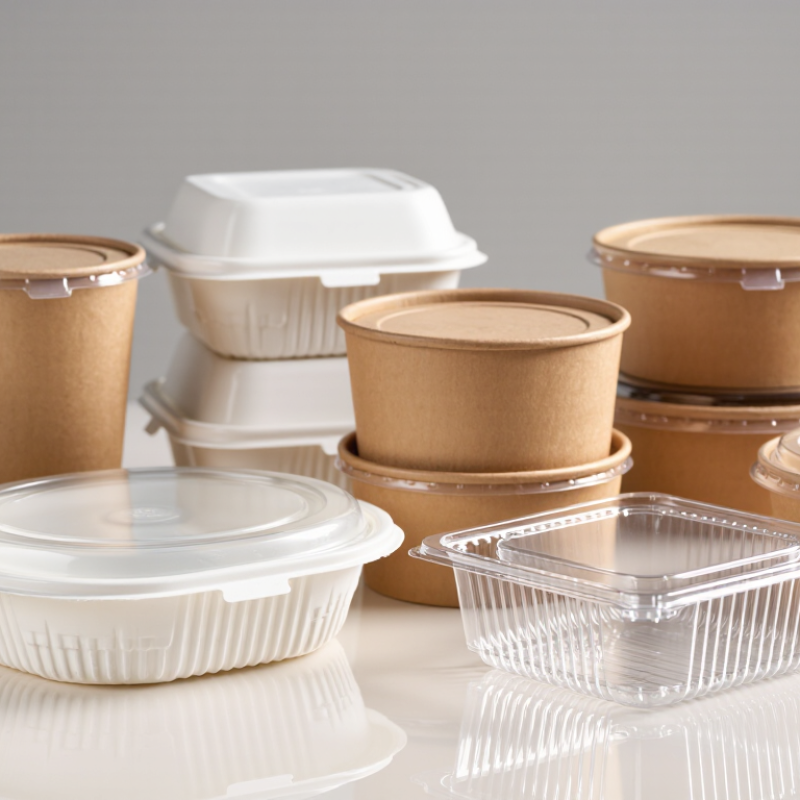
Disposable food containers are defined by their food-contact materials, not simply by their shape. Common options include polypropylene or polyethylene plastics, paperboard, aluminum, and molded plant fibers. Each behaves differently: a hot, oily meal may challenge a paper container’s barrier layer, while a plastic bowl must retain its shape under heat. That matters.
China’s GB 4806 series sets food-contact safety requirements by material. GB 4806.7-2023 covers plastic materials and articles; GB 4806.8-2022 covers paper and paperboard. Coatings and composite structures may require additional checks under relevant standards. Manufacturers should be able to identify the exact material layers and provide applicable test reports, including migration results. A label alone is not proof.
The OECD’s Global Plastics Outlook (2022) identifies packaging as the largest source of plastic waste, accounting for about 40% in 2019. This is broader than food containers, but it explains why material choice matters. For buyers comparing Chinese manufacturers, ask whether testing reflects the finished container, not just its raw resin or paper. A neat material label is not enough. And standards do not make every container suitable for every food, temperature, or duration of use. That detail is easy to overlook.
China’s plastics sector offers useful context, but not a direct measure of food-container capacity. The National Bureau of Statistics reported 74.885 million tonnes of plastic products output in 2023, down 3.0% year on year. This broad category includes many products. Buyers should compare factory-level evidence, not treat national output as proof of available container supply.
Ask for operating line counts, output per shift, tooling details, and peak-season lead times. A sample production run can reveal thin walls, uneven rims, or lids that do not seal consistently.
Certification checks need the same care. Request current food-contact test reports for the exact material, colour, and intended market. Confirm the testing laboratory and report scope. A management-system certificate alone does not establish that a specific container meets food-contact requirements.
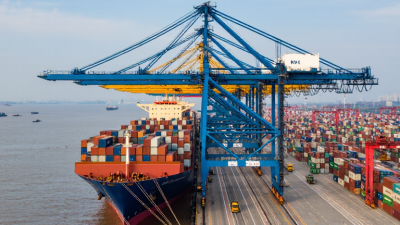
For export comparisons, UN Comtrade records under HS 392410 cover plastic tableware and kitchenware, offering a useful—but imperfect—trade proxy. The code does not isolate disposable food containers. Compare shipment history with customs records, destination markets, and product-level documents. One caveat remains: polished capacity figures can obscure seasonal bottlenecks, so verify them against recent orders and production schedules.
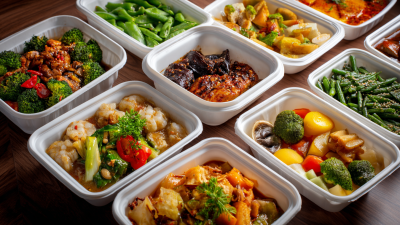
China’s leading disposable food-container manufacturers often serve different needs rather than making identical products. Their portfolios may include takeaway bowls, hinged meal boxes, deli trays, soup cups, and compartmented lunch containers. Some suppliers concentrate on high-volume polypropylene lines, while others offer molded-fiber or paper-based packaging. A broad catalog is useful, but it does not prove that every item suits the same filling temperature or delivery time.
Material choice shapes performance.
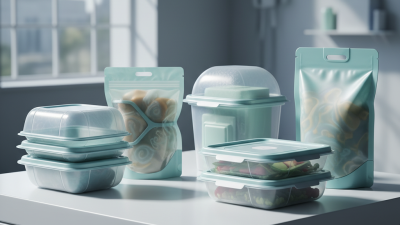
Polypropylene containers are common for hot meals, though heat limits vary by design. PET trays offer a clear view of chilled foods and snacks. CPET products are designed for higher-temperature use, but buyers should confirm the exact heating guidance. Bagasse containers have a firm, lightly textured surface; paperboard options may use a lining to resist moisture and grease. Aluminum trays handle many oven applications, but lids and intended use differ. Small details matter.
When comparing ten manufacturers, ask for material specifications, sample units, and test conditions—not just catalog photos. Check wall thickness, lid fit, stack stability, and leakage with the actual menu. A soup container that survives a short test may still soften during a long delivery. Rankings can also be imperfect: factories change tooling, and one supplier may outsource certain items. Verify the product, not only the sales description.
A useful comparison of disposable food container manufacturers in China starts with the order size a buyer can actually manage. Minimum order quantities may differ by material, container size, printing, and custom tooling. A standard unprinted bowl may have a lower MOQ than a colored, branded design. Ask suppliers to quote both options. Small details change the economics.
Lead time needs the same careful treatment. Request separate estimates for samples, tooling, production, and shipping readiness. A quoted 20-day production window may begin only after artwork approval and deposit confirmation. Check whether raw materials are already available. Ask for a recent production schedule, not only a sales estimate. Still, schedules can slip.
Annual production capacity sounds impressive, but the number needs context. Does it describe one line, all factories, or maximum output under ideal conditions? Ask how many lines make the container you need, and what portion of capacity is currently booked. A site visit or independent audit can help verify equipment and working processes. Compare capacity with actual order history, while remembering that disclosed figures may not be perfectly comparable. A balanced shortlist weighs MOQ, confirmed lead time, and verified output together.
Data note: The supplier entries below are anonymized, illustrative industry profiles, not verified company-specific records or an audited ranking. MOQ, lead time, and annual output vary by material, product size, tooling, customization, and production schedule. Confirm current figures directly with each supplier before sourcing.
| Profile | Main Product Category | Typical MOQ | Indicative Lead Time | Indicative Annual Capacity | Customization | Best Suited For |
|---|---|---|---|---|---|---|
| Supplier 01 | PP food containers and lids | 10,000–30,000 pieces per size | 20–35 days | 80–200 million pieces | High | Takeout programs needing multiple container sizes |
| Supplier 02 | Bagasse clamshells, trays, and bowls | 20,000–50,000 pieces per item | 25–45 days | 30–100 million pieces | Medium | Food-service buyers seeking molded-fiber packaging |
| Supplier 03 | Paper bowls and soup containers | 10,000–30,000 pieces per design | 20–35 days | 50–150 million pieces | High | Restaurants and distributors requiring printed packaging |
| Supplier 04 | PET and PP cups with lids | 20,000–50,000 pieces per size | 20–40 days | 100–300 million pieces | Medium | Beverage chains and high-volume food-service buyers |
| Supplier 05 | Aluminum foil trays and containers | 5,000–20,000 pieces per size | 15–30 days | 20–80 million pieces | Medium | Catering, bakery, and ready-meal applications |
| Supplier 06 | Coated paper food boxes and clamshells | 10,000–30,000 pieces per design | 20–35 days | 40–120 million pieces | High | Quick-service restaurants seeking custom-printed boxes |
| Supplier 07 | Microwaveable PP meal-prep containers | 10,000–25,000 pieces per size | 20–35 days | 60–180 million pieces | High | Meal-prep, takeaway, and chilled-food packaging |
| Supplier 08 | Pulp-molded trays and food containers | 30,000–80,000 pieces per item | 30–50 days | 20–70 million pieces | Medium | Buyers prioritizing fiber-based packaging formats |
| Supplier 09 | Clear PET hinged containers | 10,000–30,000 pieces per model | 15–30 days | 80–250 million pieces | Low to medium | Produce, bakery, and deli packaging programs |
| Supplier 10 | Multi-material food packaging assortment | Varies by product; typically 10,000–50,000 pieces | 25–45 days | 30–120 million pieces | High | Importers consolidating several packaging formats |
When comparing disposable food container manufacturers in China, food-contact compliance deserves close attention. GB 4806.7-2023 covers plastic materials and articles intended for food contact, while GB 4806.8-2022 applies to paper and paperboard materials and articles. The applicable standard depends on the container’s materials, coatings, and intended use. A paper bowl with a plastic lining may need careful assessment of both components.
Ask for current test reports that identify the tested product, material, and intended food-contact conditions. Check whether migration testing reflects the container’s actual use, including food type, temperature, and contact time. Also review material specifications, supplier traceability, and production controls. Details matter. A report for a similar-looking container may not represent the item being purchased.
Documents are useful, but they are not the whole picture. Compare report details with samples and written specifications, and clarify whether changes to inks, coatings, or raw materials trigger reassessment. This step can be overlooked. Even a well-presented file may leave questions about batch consistency or test scope. Buyers should verify those points directly with the manufacturer and, where needed, an accredited testing laboratory before placing large orders.
The chart shows the number of calendar days between publication and implementation of GB 4806.7-2023 for plastic materials and products, and GB 4806.8-2022 for paper and paperboard materials and products. These are standard implementation timelines, not manufacturer ratings or compliance test results.