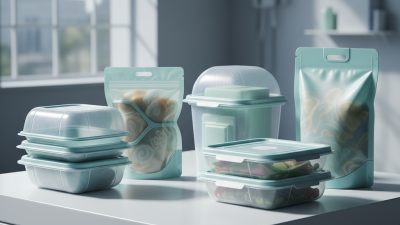
2025 How to Choose the Best Food Packaging Containers for Your Needs
In the ever-evolving landscape of the food industry, the importance of selecting the right food packaging containers cannot be understated. As consumer preferences shift towards sustainability and convenience, the choices available to businesses are vast yet complex. Expert in food packaging solutions, Dr. Jane Thompson, emphasizes this point by stating, "Choosing the right food packaging containers is not just about preservation; it’s about enhancing the consumer experience and reducing environmental impact."
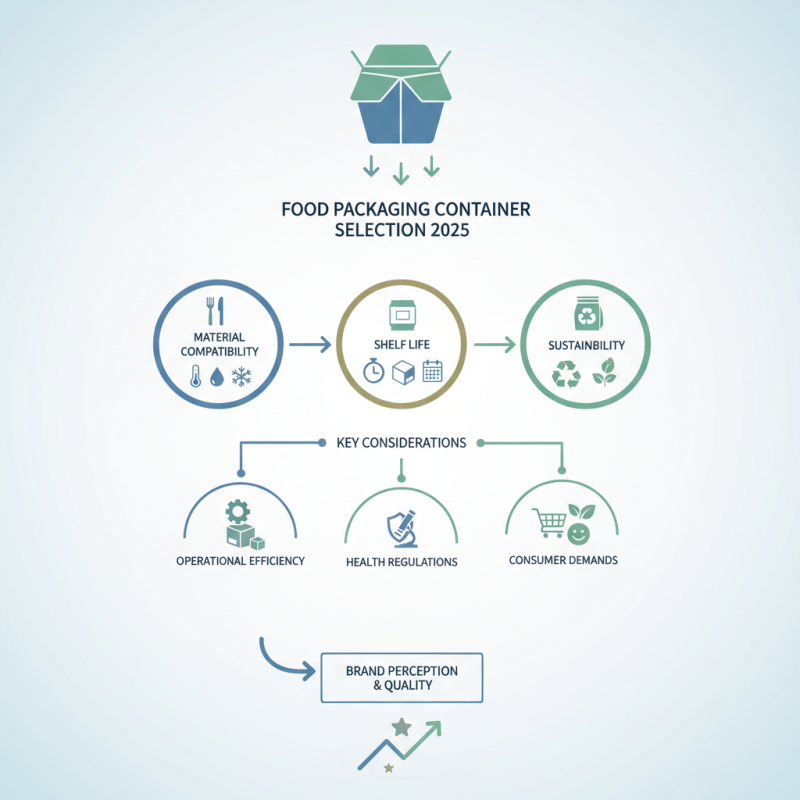
When navigating the myriad options for food packaging containers, businesses must consider several factors, including material compatibility, shelf life, and sustainability. The choices made in this critical aspect of food service can significantly affect not only product quality but also brand perception among increasingly eco-conscious consumers.
As we delve into the key considerations for selecting the best food packaging containers for your needs, it is essential to understand how these decisions can enhance operational efficiency, comply with health regulations, and meet consumer demands for both quality and sustainability in a competitive marketplace.
Understanding Different Types of Food Packaging Materials
When choosing the best food packaging containers, it's essential to understand the various types of materials available, as each offers distinct benefits and drawbacks. Commonly used materials include plastic, glass, metal, and paper. Plastic containers are lightweight and versatile, making them popular for a wide range of food items. However, it is important to consider the type of plastic, as some can leach harmful chemicals when heated. For those seeking a more environmentally friendly option, recyclable plastics or biodegradable materials are becoming increasingly available.
Glass containers are excellent for preserving the taste and freshness of food, as they are non-reactive and can withstand high temperatures. They are ideal for both cooking and storing food, though they can be heavier and more fragile than other materials. Metal packaging, such as cans or aluminum containers, offers durability and is often used for long-term food preservation. While they are effective at protecting contents from light and air, it’s crucial to ensure that the metal is food-safe and does not react with acidic foods.
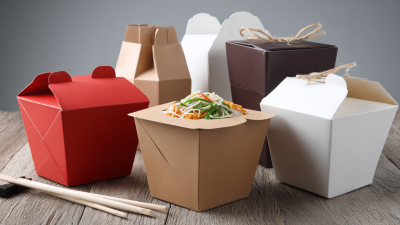
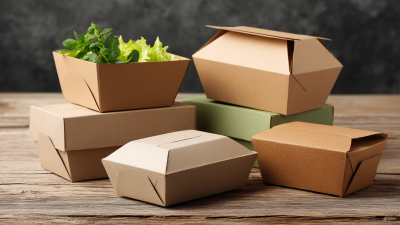
Paper packaging, on the other hand, is a sustainable choice that is suitable for dry goods and can be composted or recycled after use. It is important to select paper products that have a food-safe coating to prevent moisture and grease from compromising the contents. By understanding these different food packaging materials and their respective applications, you can make an informed decision that best meets your needs while ensuring food safety and sustainability.
2025 How to Choose the Best Food Packaging Containers for Your Needs - Understanding Different Types of Food Packaging Materials
| Material Type |
Durability |
Cost |
Recyclability |
Best Use Cases |
| Plastic |
Moderate |
Low |
Varies |
Fruits, vegetables, frozen items |
| Glass |
High |
High |
Yes |
Sauces, jams, pickles |
| Metal |
Very High |
Medium |
Yes |
Canned goods, beverages |
| Paper/Cardboard |
Low |
Low |
Yes |
Takeaway food, dry goods |
| Biodegradable |
Moderate |
Medium |
Yes |
Fresh produce, snacks |
Evaluating the Impact of Food Packaging on Shelf Life and Freshness
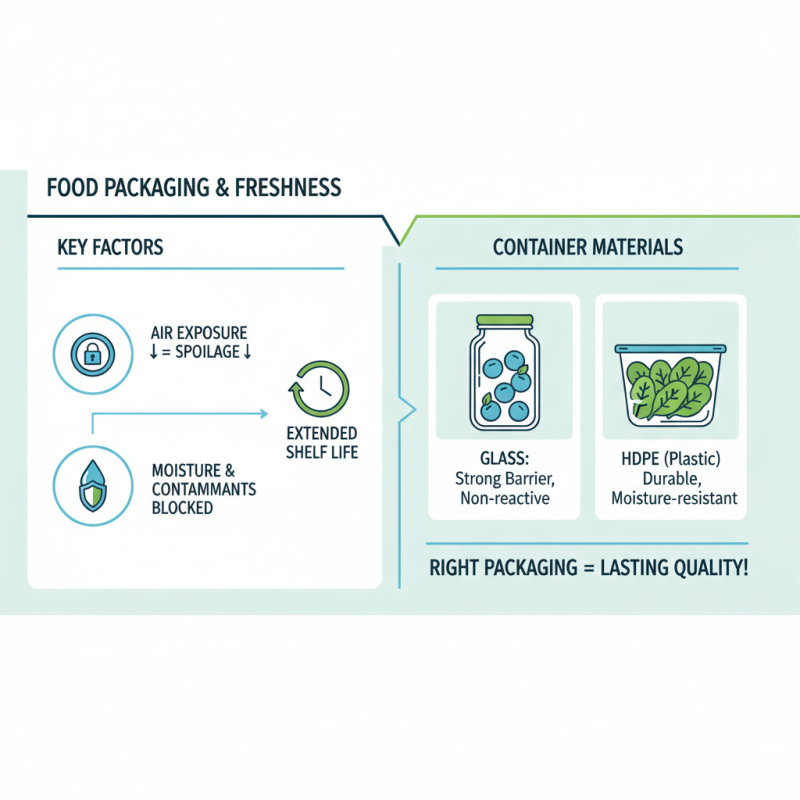
When considering food packaging, its impact on shelf life and freshness is paramount. The choice of container material plays a critical role in preserving the quality of food. For instance, airtight containers can significantly reduce exposure to air, which is a major factor in food spoilage. Materials like glass or high-density polyethylene (HDPE) are known for their strength and barrier properties, effectively keeping moisture and contaminants at bay. Selecting the right packaging material can extend the life of perishable items, ensuring that they remain safe and palatable for longer periods.
Additionally, the design of food packaging also affects freshness. Containers that are designed to minimize light exposure can help prevent the degradation of certain nutrients and flavors. Vacuum-sealing is another effective method that not only preserves the food's original taste and texture but also extends its shelf life by eliminating air from the packaging. Therefore, when choosing food packaging containers, it is crucial to evaluate both the material and design to align with the specific needs of the food product, ultimately enhancing its shelf life and maintaining its freshness.
Identifying Your Specific Food Storage Needs and Preferences
When selecting food packaging containers, it's essential to identify your specific food storage needs and preferences. Different foods require different conditions for optimal storage—moisture, temperature, and exposure to air can significantly affect freshness and shelf life. According to a report from the Food Packaging Forum, around 70% of consumers consider packaging a critical factor in food quality and safety, emphasizing the importance of choosing the right materials.
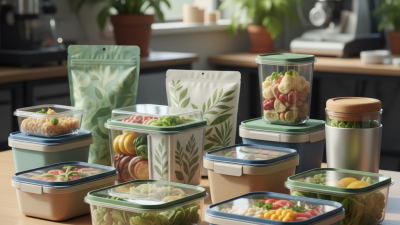
For dry goods such as grains and cereals, airtight containers made from glass or BPA-free plastic are ideal. These materials help keep out moisture and pests, thus extending freshness. When it comes to refrigerated items, containers that provide airtight seals and insulation can minimize spoilage while also preventing cross-contamination. Tips to consider include opting for containers labeled as microwave-safe when reheating and avoiding materials that may leach chemicals into food.
Moreover, eco-friendly options like biodegradable or recyclable materials are increasingly popular, fulfilling consumer demand for sustainability. According to a survey by The Hartman Group, 74% of consumers are willing to pay more for products with sustainable packaging. Seeking out such options not only meets personal preferences but also contributes to environmental conservation. Ensure to choose sizes that fit your storage space and cooking habits, allowing maximum usability without excess waste.
Considering Environmental Factors in Food Packaging Choices
When selecting food packaging containers, it is crucial to consider the
environmental impact of the materials used.
The growing consumer awareness regarding
sustainability has pushed both manufacturers and consumers
to look for eco-friendly options.
Biodegradable materials, such as plant-based plastics, and compostable packaging are
becoming increasingly popular as they reduce waste and minimize the
carbon footprint. These options
break down more easily in the environment compared to traditional plastics,
which can linger for hundreds of years.
Additionally, evaluating the
lifecycle of packaging materials can greatly influence environmental choices.
It’s essential to assess factors such as the energy required for production,
transportation emissions, and the ability to recycle or repurpose the containers after use.
For instance, opting for lightweight materials can reduce transportation emissions,
while choosing containers made from recyclable materials can enhance
sustainability efforts. By prioritizing these considerations,
consumers can make informed decisions that align with their values towards protecting the
environment while still meeting their food storage needs.
Assessing Cost vs. Quality in Food Packaging Selection
When selecting food packaging containers, one of the most critical analyses is the balance between cost and quality. The global packaging market is projected to reach $1 trillion by 2025, highlighting the importance of strategic choices in this area. According to a recent study by Smithers Pira, nearly 30% of food businesses prioritize the cost of packaging over its quality, which can lead to negative consequences such as product spoilage and customer dissatisfaction. Investing in higher-quality materials may initially strain budgets, but the long-term benefits, including extended shelf life and enhanced brand reputation, often outweigh these costs.
Moreover, various packaging materials offer different levels of protection and sustainability, which can influence overall costs. For instance, flexible packaging has been shown to reduce food waste by up to 50% due to its superior barrier properties, as reported by the Flexible Packaging Association. This attribute not only preserves food quality but also improves overall package efficiency, translating into lower transportation and storage costs. A careful assessment of these factors among the rising demand for sustainable and cost-effective solutions can significantly aid businesses in making informed decisions that meet both their financial constraints and quality standards.
2025 Food Packaging Cost vs. Quality Assessment