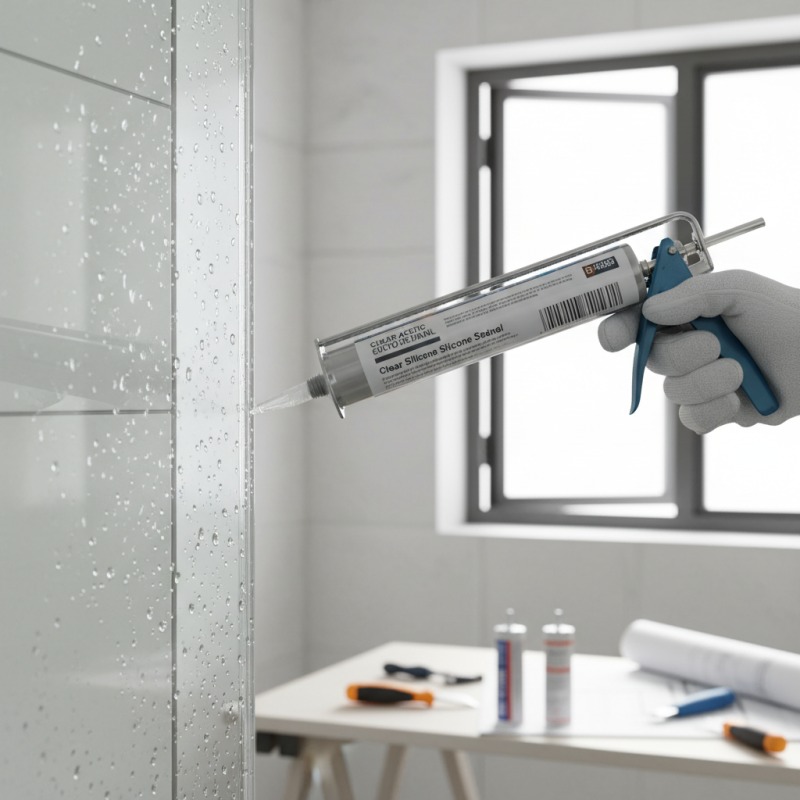
How to Choose Clear Acetic Silicone Sealant for Your Projects?
Choosing the right Clear Acetic Silicone Sealant for your projects can be challenging. This sealant offers versatility in various applications, from home repairs to construction. Its clear nature makes it perfect for areas where aesthetics matter.
Understanding the properties of Clear Acetic Silicone Sealant is crucial. It adheres well to glass, metal, and ceramics, providing a durable and waterproof seal. However, its acetic acid odor can be off-putting. Proper ventilation during application is necessary.
Consider your specific needs before choosing a sealant. Each project may require different characteristics, such as flexibility or temperature resistance. Evaluating your requirements ensures you select the best product. Rushing into a decision might lead to mistakes, affecting the project's overall success.
Factors to Consider When Selecting Clear Acetic Silicone Sealant
When selecting clear acetic silicone sealant, several factors come into play. The first consideration is the application type. Different projects require specific properties, like adhesion strength and flexibility. For instance, bathroom fixtures may need a sealant that withstands moisture. Understanding your project’s demands is crucial for optimal results.
Another important factor is temperature resistance. Silicone sealants often endure a range of temperatures. Selecting a product designed for high heat or cold environments can enhance durability. Additionally, assess the curing time. A faster curing time may suit urgent repairs. However, some projects benefit from longer working times for more precise application.
Finally, be cautious about health and safety. Some clear acetic silicones release strong odors during curing. Ensure proper ventilation in your workspace. Researching product specifications aids in making informed choices. Reflecting on these aspects can help prevent future issues. Taking the time to evaluate your needs will yield better project outcomes.
Types of Clear Acetic Silicone Sealants Available in the Market
When selecting a clear acetic silicone sealant, understanding the available types is crucial. These sealants are often categorized based on their specific applications and properties. Common types include general-purpose sealants, which are versatile and suitable for a variety of uses. They bond well to glass, metal, and ceramics, offering strong adhesion. However, some general-purpose options may lack flexibility or durability in extreme weather conditions.
Another type to consider is aquarium silicone. This is specifically designed for environments that will hold water. It ensures a waterproof seal that is safe for aquatic life. While it provides excellent adhesion and UV resistance, it may not adhere well to some plastics. A mistake in choosing the wrong type can lead to leaks or seal failure, so understanding the project requirements is important.
Finally, there are specialty sealants for high-temperature applications. These are ideal for areas exposed to heat, such as kitchens or fireplaces. While they provide strong heat resistance, they may not perform well in areas subjected to constant movement. Always assess the project's specific needs to choose the right sealant. Misjudging the requirements could result in frequent repairs or unsatisfactory results.
Types of Clear Acetic Silicone Sealants Available in the Market
Applications and Use Cases for Clear Acetic Silicone Sealant
Clear acetic silicone sealant is versatile for many projects. It works well for sealing gaps in kitchens and bathrooms. This type of sealant features excellent adhesion and is waterproof. It can withstand temperature fluctuations, making it suitable for both indoor and outdoor use.
In addition to common applications, this sealant is ideal for glass sealing. It can be used to secure glass panels in windows. Besides, it's effective for aquariums, providing a clear, durable bond between glass pieces. Many people use it for bathtub and shower installations. It creates a strong, flexible seal that resists mold.
Despite its many advantages, some risks exist. Improper application may lead to leaks or failure of the bond. Surface preparation is crucial for optimal adhesion. Users should ensure surfaces are clean and dry before application. Testing on a small area can help gauge compatibility with materials.
Tips for Proper Installation of Clear Acetic Silicone Sealant
When using clear acetic silicone sealant, proper installation is key. Start by preparing your surface. Ensure it is clean, dry, and free of dust or grease. A good seal depends on a solid foundation. Use a utility knife to remove any old sealant. This process might require patience and meticulous attention. Rushing can lead to mistakes.
Apply the sealant carefully. Squeeze the tube gently, creating an even line. Move at a steady pace to avoid gaps. A smooth bead will help maintain a clean look. Don't forget to use a caulking tool. It can help shape and smooth the sealant for a professional finish. Mistakes may happen. If you notice bubbles or uneven areas, they can be fixed quickly.
Allow the sealant to cure properly. This step is critical for long-lasting results. While it may be tempting to touch it too soon, patience pays off. Check the manufacturer's guidelines for curing times. Environmental factors like temperature and humidity can affect this. Always keep the area ventilated during the process. A little attention to these details can significantly improve your project’s outcome.
How to Choose Clear Acetic Silicone Sealant for Your Projects? - Tips for Proper Installation of Clear Acetic Silicone Sealant
| Feature | Details |
| Material Composition | Silicone polymer with acetic acid |
| Curing Time | 24 hours to fully cure |
| Temperature Resistance | -40°C to 120°C |
| Application Areas | Glass, Ceramic, Metal surfaces |
| Color Options | Clear and translucent options available |
| Shelf Life | 12 months unopened |
| Safety Precautions | Use in well-ventilated areas; avoid skin contact |
| Installation Tips | Clean surfaces thoroughly, use caulking gun for application |
Maintenance and Care for Projects Using Clear Acetic Silicone Sealant
When using clear acetic silicone sealant in your projects, maintenance and care become crucial factors for ensuring longevity and effectiveness. Regular inspections are essential to identify any signs of wear or degradation. A study by the Adhesive and Sealant Council indicates that proper maintenance can extend the lifespan of silicone sealants by up to 30%. It’s recommended to clean the surface of the sealant with a soft cloth and mild soap regularly to prevent the buildup of mold or grime.
Humidity and temperature fluctuations can impact the performance of clear silicone sealants. If you notice any cracks or gaps forming, it might indicate that the sealant is compromised. Such issues may arise from inadequate curing or exposure to severe weather conditions. According to industry reports, sealants exposed to moisture without proper care can lose up to 50% of their initial adhesive strength. Therefore, addressing these signs immediately can prevent costly repairs and potential failures in project integrity.
Furthermore, applying a protective coating over the sealant can enhance its durability. This step, although sometimes overlooked, can safeguard against UV damage and moisture intrusion. Maintaining proper application temperatures also plays a role in adhesion quality, with optimal conditions usually between 40°F and 100°F. Reflecting on your project’s environment and maintaining careful observation will significantly benefit long-term outcomes.