How to Choose the Best Take Out Containers for Your Needs?
When selecting take out containers, it's essential to consider various factors. The right container can enhance the dining experience. It also reflects on the food's quality and presentation.
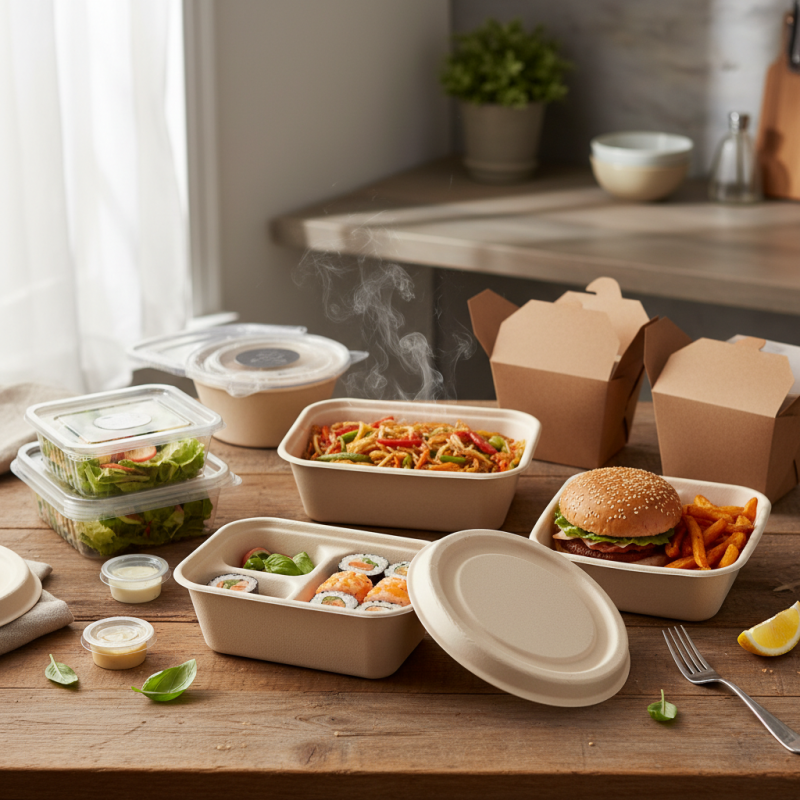
Take out containers come in many styles and materials. Some are made from plastic, while others are biodegradable. This choice matters, especially for those conscious of the environment. Think about the functionality too. Will they keep your food warm or fresh?
Sometimes, you may overlook aspects like size and design. A poorly chosen container can lead to spills or soggy meals. This can ruin the joy of eating out. It's vital to take time in making the right decision. After all, a good container preserves the essence of your meal.
Understanding Different Types of Take Out Containers Available
When selecting take-out containers, it’s crucial to understand the variety available. Common options include
plastic,
glass, and
metal.
Plastic containers are lightweight and versatile. They often come with lids that snap on tightly. However, they may not withstand high temperatures well. This can be an issue when dealing with hot foods.
Glass containers provide a more durable option. They are oven-safe, making them great for reheating. However, glass can break easily. It’s important to handle them with care.
Metal containers are another choice. They are excellent for insulation but may not be microwave-safe. This can limit their usability.
Each type has its pros and cons. It’s about finding what fits your lifestyle. Consider storage space and food type. If you often order soup, leak-proof containers are essential.
Think about how many times you reuse them. Some containers are meant for single use; others for repeated use.
It’s good to ask yourself: how eco-friendly is your choice?
The right container can make all the difference in your dining experience.
Factors to Consider When Choosing Take Out Containers
Choosing the right takeout container can feel overwhelming. The materials used in containers are the first factor to consider. Options include plastic, glass, and biodegradable materials. Each type offers different benefits and drawbacks. Plastic containers are lightweight but may not withstand high temperatures. Glass is durable but heavier and can break easily. Biodegradable options are eco-friendly, but they may not be suitable for all types of food.
Next, think about the size and shape of the containers. Shallower containers work well for salads and sides. Deeper ones are ideal for soups and pasta. Having a variety of sizes can be helpful. You might have leftovers that need proper storage. It’s also worth considering how easy they are to stack and store. Bulky containers can take up too much space in your kitchen.
Lastly, don’t forget about the seals and lids. A good seal prevents leaks and keeps food fresh. Some containers claim to be leak-proof, but that’s not always the case. Checking reviews or trying a few options may help. Remember, even the best containers can fail if not used properly. Reflecting on your specific needs will guide you toward the right choice.
How to Choose the Best Take Out Containers for Your Needs? - Factors to Consider When Choosing Take Out Containers
| Container Type |
Material |
Temperature Resistance |
Microwave Safe |
Recyclable |
| Plastic Containers |
Polypropylene (PP) |
Up to 120°C |
Yes |
Yes |
| Foil Containers |
Aluminum |
Up to 200°C |
No |
Yes |
| Paper Containers |
Sustainable Paper |
Up to 100°C |
No |
Yes |
| Glass Containers |
Borosilicate Glass |
Up to 250°C |
Yes |
Yes |
| Biodegradable Containers |
Plant-Based Materials |
Up to 100°C |
No |
Yes |
Evaluating Material Options for Take Out Containers
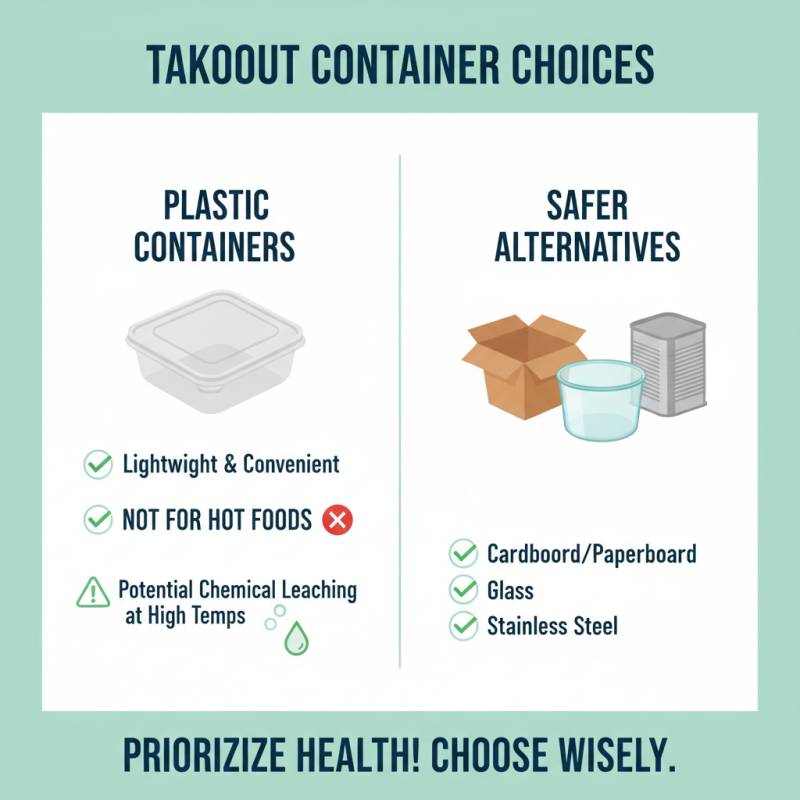
When selecting take out containers, material choices are crucial. Plastic containers are lightweight and convenient. However, they may not be the best for hot foods. High temperatures can cause chemicals to leach into your meal. This poses potential health risks. People often overlook this when ordering takeout.
Glass containers are a popular option. They are durable and microwave-safe. The clear material makes it easy to see what's inside. Still, they can be heavy and breakable. Handling them requires care. This can be a challenge for busy customers. Compostable containers are a greener alternative. Made from plant materials, they are biodegradable. Yet, they may not hold up well with liquid foods.
Each material has its strengths and weaknesses. Finding the right balance is key. Reflect on your packaging needs and preferences. Consider convenience, safety, and environmental impact. Ultimately, the best choice depends on your specific situation.
Assessing Container Sizes and Shapes for Your Needs
Choosing the right take-out containers can be a game changer. When assessing container sizes and shapes, think about your specific needs. Are you packing a salad? A deep dish? Containers come in various sizes to accommodate different meals.
Tips: Measure your dishes before shopping. This will help you avoid buying containers that are too small or too large. Some meals are best suited for shallow containers, while others need depth. A large container might seem perfect, but it could waste space for single servings.
Consider the shape as well. Round containers are ideal for soups and tacos. Square or rectangular ones are great for casseroles. Keep in mind; these shapes can alter how food is stored and transported. If you're not careful, you may end up with mismatched lids and bases. That can lead to frustrating moments. Reflect on how you typically use your containers to choose wisely.
Eco-Friendly Alternatives for Take Out Containers
When it comes to take-out containers, eco-friendly options are gaining popularity.
Traditional plastic containers can harm the environment. They contribute to pollution and take years to decompose. Choosing sustainable alternatives can minimize your ecological footprint.
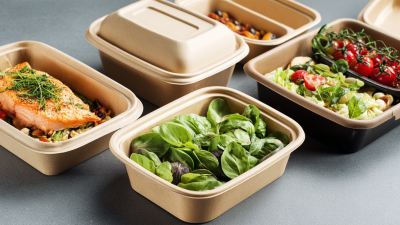
Look for biodegradable materials. Containers made from plant-based substances break down naturally. Some options include bamboo, sugarcane, and cornstarch. These materials are sturdy yet compostable. A tip: ensure these containers are certified compostable to guarantee they meet environmental standards.
Consider reusable containers as well. They offer durability and reduce waste. You can bring your own container to restaurants. This simple habit cuts down on single-use plastics. Remember, reusables need regular cleaning to remain effective. It’s good to invest in a few good-quality options. Although they might require more upfront effort, the long-term benefits are substantial.
Evaluate your needs critically. Not every eco-friendly option fits every situation. Sometimes, you might opt for convenience over sustainability. Reflecting on these choices can lead to better practices in the long run.