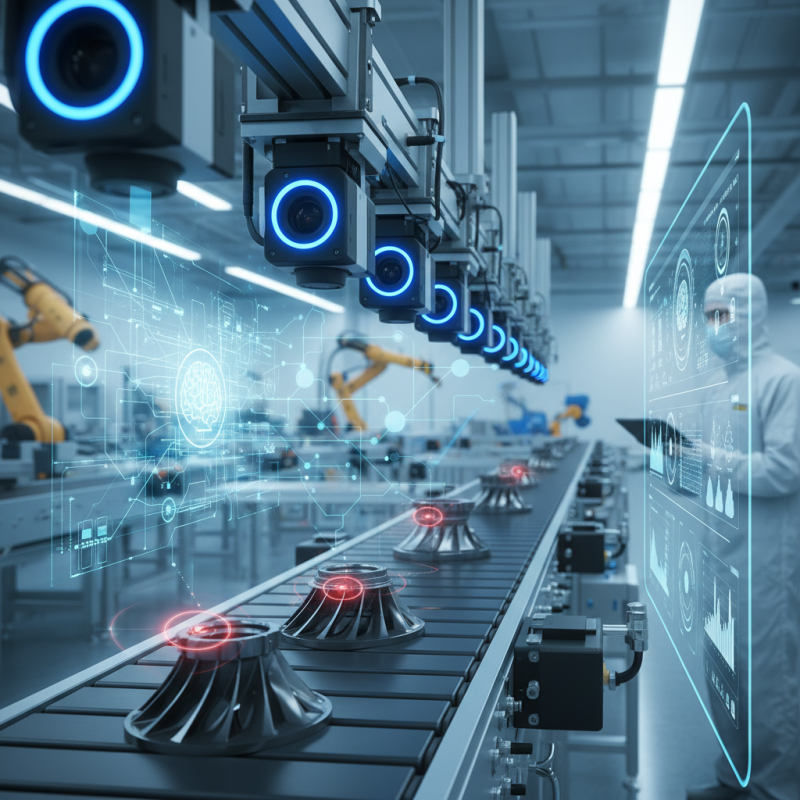
What is Machine Vision Inspection and How Does It Work?
Machine Vision Inspection is revolutionizing the manufacturing industry. This technology uses cameras and artificial intelligence to identify defects in products. According to Dr. Alice Morgan, an expert in automation, "Machine Vision Inspection can improve product quality and reduce waste." Her insight underscores the impact of this system.
The process begins with capturing images of products on the assembly line. These images are analyzed for quality control. Often, systems struggle with complex shapes and varying lighting. This limitation reminds us that while technology advances, it is not infallible.
Machine Vision Inspection also offers data collection for future improvements. However, integrating this system can be challenging for companies. Issues like calibration and maintenance require careful consideration. Balancing automation with human oversight remains essential.
What is Machine Vision Inspection?
Machine vision inspection is a transformative technology in manufacturing. It uses cameras and software to evaluate products. This system can detect defects that the human eye might miss. For example, it can identify scratches or incorrect dimensions on products. The cameras capture images, and algorithms analyze them in real time. This reduces errors and increases efficiency.
Tips: Regularly calibrate your vision system. It helps maintain accuracy and reliable results. Don't overlook the importance of lighting. Proper lighting can enhance image quality and detection rates.
Implementing machine vision is not always straightforward. It requires careful setup and testing. The initial investment can be high, and adjustments may take time. Frustration is common when goals are not met initially. However, the long-term benefits often outweigh early challenges.
Tips: Start with a small project. Test the system on a few products first. Gradually expand as you gain confidence. Reach out for expert advice if needed. They can help troubleshoot issues you might face.
Key Components of Machine Vision Systems
Machine vision systems play a crucial role in modern manufacturing. These systems automate the inspection of products with remarkable accuracy. They can identify defects and ensure quality control effectively. The key components that make up these systems include cameras, lighting, and software algorithms. Each of these parts works together to create a reliable inspection process.
Cameras capture images of products on the production line. They can be industrial-grade, designed to withstand harsh conditions. But not all cameras are equal; some may struggle with low light or fast-moving objects.
Lighting is equally important, as it can significantly affect the visibility of defects. Proper illumination helps reduce shadows and reflections. It’s a delicate balance between brightness and avoiding glare.
Software algorithms process the images taken by cameras. They analyze the data and determine whether a product meets quality standards. However, these algorithms must be regularly updated to adapt to new challenges. There is always room for improvement. Errors can occur, leading to false positives or negatives. Each component has its strengths and weaknesses, necessitating ongoing refinement in machine vision systems.
The Process of Machine Vision Inspection
Machine vision inspection is a powerful tool in modern manufacturing. It employs digital cameras and image processing to evaluate products. A camera captures images, then software analyzes these images for quality control. This process detects defects that are often invisible to the human eye.
During the inspection, lighting plays a crucial role. Proper lighting enhances visibility of details. However, improper lighting can obscure important features, leading to errors. The positioning of the camera is equally important. If not positioned correctly, critical defects may go unnoticed. Manufacturers must choose angles carefully to ensure thorough inspection.
Setting up a machine vision system requires thoughtful calibration. A system may need adjustments after initial implementation. Factors like environmental changes and variations in products can affect performance. Regular monitoring is essential to maintain accuracy. Adjustments might introduce their own set of challenges. Continuous reflection and improvement of the system are critical for achieving effective machine vision inspection.
Applications of Machine Vision in Various Industries
Machine vision inspection is revolutionizing industries. In manufacturing, it ensures products meet quality standards. Cameras and AI analyze items quickly. This technology catches defects in real-time. It minimizes human error and speeds up production lines.
In food processing, machine vision checks for package integrity and labels. It ensures that food safety standards are met. A small mistake can lead to serious consequences. Therefore, using this technology is critical for maintaining quality. However, choosing the right system can be challenging.
Tip: Look for systems that integrate easily with existing processes. In electronics, machine vision verifies component placement on circuit boards. Missed connections can affect device performance. Regular updates and maintenance are necessary for accuracy.
Tip: Train staff to understand the system fully. The automotive sector uses machine vision for inspecting parts like gears and brakes. Incorrect assembly can lead to accidents. Investing time in system calibration pays off. Machines should not work in isolation; human oversight is vital.
Advantages and Challenges of Machine Vision Technology
Machine vision technology offers significant advantages in various industries. It enhances quality control and improves efficiency. Automated inspections can detect defects that the human eye may miss. This leads to reduced waste and higher product reliability. Companies can implement these systems to streamline processes. Yet, integrating machine vision isn't always seamless.
Cost can be a barrier, especially for smaller businesses. The initial investment in equipment and software can be steep. Additionally, training staff to use these systems might require extra resources. Misalignment between machine capability and human oversight can lead to errors. If the system isn't properly calibrated, false positives and negatives can occur.
Despite these challenges, the benefits are compelling. With ongoing advancements, machine vision systems continue to evolve. They can adapt to specific applications, increasing versatility. Continuous learning is essential for success in this field. Companies should regularly assess their machine vision systems. This ensures alignment with current production needs and standards.