Molded Fiber Packaging Solutions for Global Buyers?
Molded Fiber Packaging solutions are gaining traction among global buyers as businesses seek sustainable materials. John Smith, a leading expert in sustainable packaging, states, “Molded Fiber Packaging is the future of eco-friendly solutions.” His insights highlight the rising importance of environmentally friendly practices in product packaging.
The demand for Molded Fiber Packaging is rapidly increasing. Companies are searching for packaging that is not only sustainable but also efficient. This transition reflects a broader shift towards eco-conscious consumerism. Many industries are making the switch to Molded Fiber Packaging to reduce their environmental footprint.
Despite the advantages, challenges remain in the adoption of Molded Fiber Packaging. Some manufacturers face difficulties in scale and production consistency. These factors can inhibit the widespread use of this innovative packaging solution. Nevertheless, with ongoing research and advancements, Molded Fiber Packaging shows great promise for the future.
Molded Fiber Packaging: An Overview of Its Benefits and Features
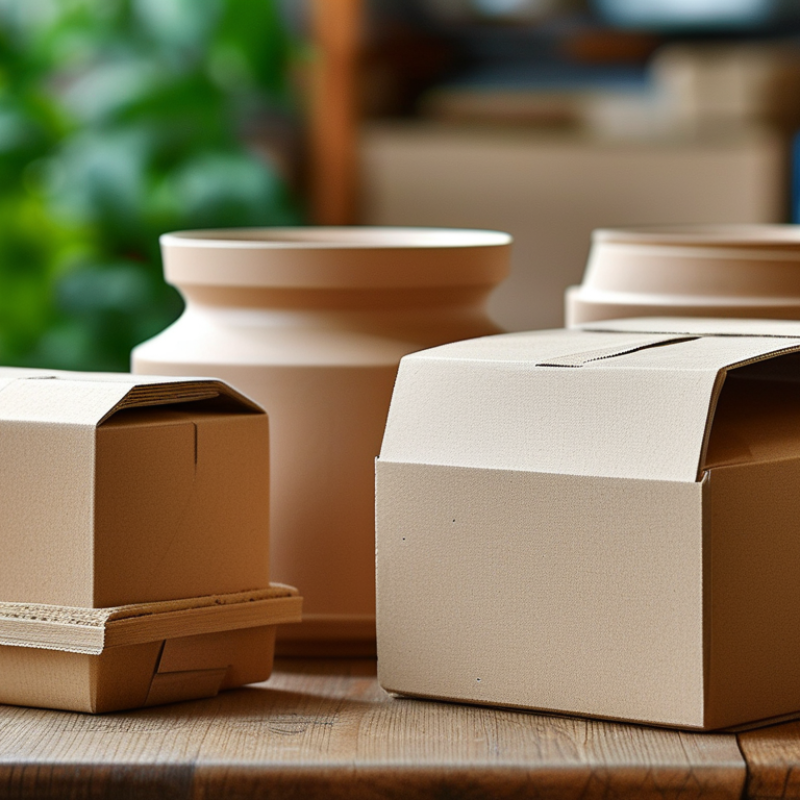
Molded fiber packaging has gained attention for its sustainability and versatility. Its eco-friendly materials are derived from recycled paper and agricultural waste. This type of packaging effectively reduces environmental impact while maintaining quality and durability. It’s lightweight, yet it offers excellent protection during transportation.
The design of molded fiber packaging is customizable. This allows brands to create unique shapes that fit their products perfectly. Its absorbent nature is well-suited for fragile items, providing cushioning and shock resistance. However, users may encounter challenges with moisture resistance. Proper treatment is necessary to ensure products remain protected in humid conditions.
In terms of cost, molded fiber packaging can be more expensive than traditional options. Companies must weigh the benefits against their budgets. The long-term sustainability savings can offset initial costs. As more industries shift towards eco-friendly solutions, molded fiber packaging stands out as a promising alternative. Brands may find it beneficial to experiment with various designs and materials, continuing to innovate while navigating market demands.
Molded Fiber Packaging Solutions for Global Buyers
| Feature | Benefit | Applications | Material Options |
| Sustainable Production | Reduced carbon footprint | Consumer goods packaging | Recycled paper fiber |
| Custom Shapes | Tailored to product needs | Electronic components | Molded pulp |
| Lightweight | Reduction in shipping costs | Food and beverage containers | Paperboard composites |
| Biodegradable | Environmentally friendly disposal | Cosmetics packaging | Natural fibers |
| Shock Absorption | Protects fragile items | Glassware and ceramics | Pulp molded fibers |
Key Applications of Molded Fiber Packaging in Various Industries
Molded fiber packaging has gained significant traction across various industries due to its sustainability and versatility. The global molded fiber market is projected to reach USD 4.1 billion by 2026, growing at a CAGR of 6.0%. This growth is driven largely by the food and beverage sector, where molded fiber trays and containers are popular for their ability to safely transport goods while reducing plastic waste.
In the electronics industry, molded fiber packaging offers excellent cushioning and protection for fragile items. A report by Smithers confirms that this type of packaging is becoming crucial as e-commerce accelerates. Approximately 60% of consumers prefer products packaged in environmentally friendly materials. This aligns with rising consumer demand for sustainable practices, prompting manufacturers to consider molded fiber as a viable option.
Moreover, the agricultural sector is utilizing molded fiber solutions for plant and produce packaging. Biodegradable and compostable materials enhance product appeal while emphasizing eco-conscious farming practices. Yet, challenges remain in scalability and production costs. Balancing high-quality standards with affordability remains a primary concern that requires ongoing innovation.
Molded Fiber Packaging Solutions in Various Industries
Sustainability Aspects of Molded Fiber Packaging Solutions
Molded fiber packaging has gained significant attention for its eco-friendly properties. As consumers demand sustainable options, this packaging solution stands out. Made from recycled paper and natural fibers, it offers a biodegradable alternative to plastic. The production process uses minimal resources and reduces waste, aligning with global sustainability goals.
One aspect to consider is the energy consumption during production. While molded fiber is often seen as greener, it's essential to evaluate the entire lifecycle. Packaging materials should be designed for multiple uses or easy recycling. Understanding the environmental impact can guide better choices.
When selecting molded fiber packaging, consider its sourcing. Sourcing from certified suppliers ensures that raw materials come from sustainable forests. This practice enhances transparency and builds trust. Evaluating certifications can help buyers make informed decisions and support responsible production methods. It might seem perfect but questioning the entire supply chain can lead to improvements.
How to Choose the Right Molded Fiber Packaging for Your Needs
Choosing the right molded fiber packaging can be challenging. The global market for molded pulp packaging is expected to grow significantly, projected to reach over $6 billion by 2025. This growth comes from increased awareness of sustainability and eco-friendly materials.
When selecting molded fiber packaging, consider your product's specifics. The thickness of the fiber can impact protection during shipping. A material that is too flimsy risks damaging items, while one that is too dense might increase costs unnecessarily. Many studies highlight that up to 15% of packaging costs can be reduced by optimizing material choice.
Remember, not all molded fiber is created equal. Check for certifications from recognized industry standards to ensure quality. Sustainable sourcing is key. Investigate if the fiber is recycled or sourced from renewable resources. Prioritize eco-friendliness without sacrificing performance. Finding the right balance is essential for both environmental impact and product safety.
Future Trends in Molded Fiber Packaging and Market Insights
Molded fiber packaging is gaining traction among global buyers. The demand for sustainable packaging solutions has surged. According to a recent market report, the molded fiber packaging market is projected to expand at a CAGR of 5.6% from 2023 to 2030. This growth reflects a shift in consumer preferences towards eco-friendly materials. Brands are increasingly prioritizing biodegradable options, aligning with sustainability goals.
The versatility of molded fiber makes it suitable for various applications. It's commonly used in food service, electronics, and consumer goods packaging. This adaptability is vital as industries seek to minimize their carbon footprint. The advantages of molded fiber over traditional materials are clear, but challenges exist. Some manufacturers struggle to meet large-scale demands while maintaining quality. Continuous innovation is essential to overcome these hurdles.
When considering molded fiber packaging, evaluate sourcing options. Working with reliable suppliers ensures consistent quality. Stay informed about trends in material science, as advancements can impact performance and sustainability. Don't overlook the importance of end-user feedback. It plays a crucial role in refining packaging solutions. Engaging with consumers can guide improvements and support market growth.