Why Choose Plastic-Free Sugarcane Bagasse Bowls in 2026?
In a world increasingly focused on sustainability, the choice of materials matters more than ever. Plastic pollution is a growing concern, and businesses are seeking alternatives. This is where Plastic-Free Sugarcane Bagasse Bowls come into play. These bowls are made from the fibrous residue left after sugarcane extraction. They offer a biodegradable solution for food service needs while aligning with eco-conscious values.
Choosing these bowls not only reflects a commitment to the environment but also meets consumer demand for responsible products. They are sturdy, leak-resistant, and can handle both hot and cold foods. However, the shift to sustainable options requires consideration. Some may find the transition challenging. Cost may be a factor for small businesses. But the long-term benefits of reducing plastic waste are undeniable.
As we move into 2026, adopting Plastic-Free Sugarcane Bagasse Bowls can drive impactful change. They represent a step towards a greener future. Every choice counts, and embracing these bowls is a chance to contribute to a healthier planet. It's time to reflect on our choices and their potential to create a better world.
Benefits of Using Plastic-Free Sugarcane Bagasse Bowls in Eco-Friendly Dining
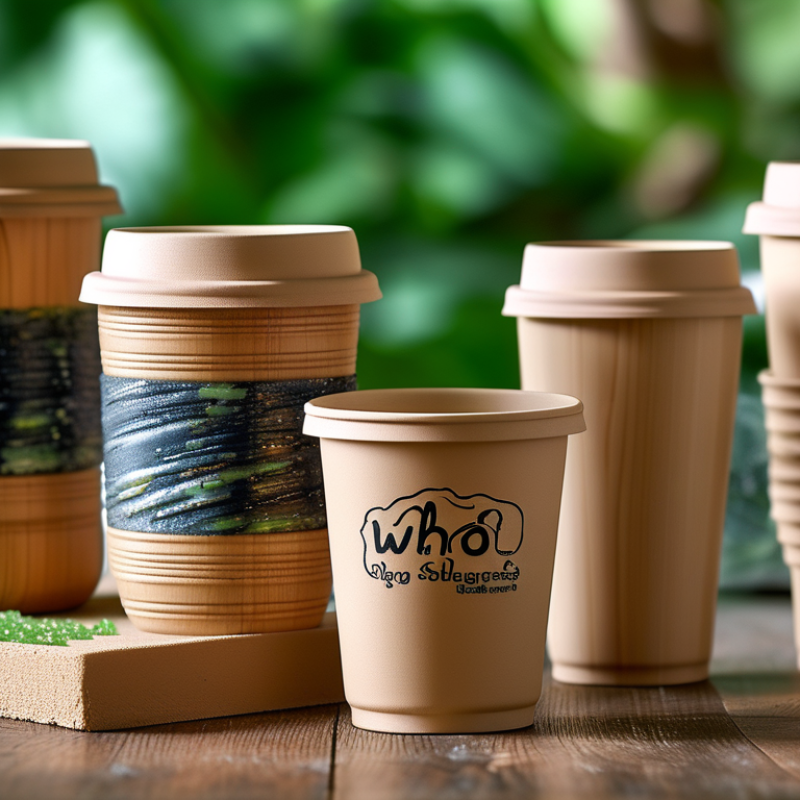
When considering eco-friendly dining, plastic-free sugarcane bagasse bowls stand out. Made from abundant sugarcane waste, these bowls offer a sustainable alternative. They are naturally biodegradable, breaking down within months in the right conditions. This reduces landfill waste significantly. Many consumers seek these bowls for a greener lifestyle.
Using sugarcane bagasse bowls contributes to reducing plastic pollution. Unlike traditional plastic, which can linger in the environment for decades, these bowls return to nature. They are sturdy and can hold hot or cold food without leaking. This makes them practical for various dining experiences, from casual gatherings to more formal events.
Transitioning to these bowls may not be flawless. Some may question their durability compared to plastic. In practice, they hold up well for most uses. However, heavy foods could pose a challenge. Learning these nuances enhances the dining experience while promoting sustainability. Prioritizing eco-friendly materials helps cultivate a responsible mindset in our societies. Embracing sugarcane bagasse bowls reveals a commitment to our planet’s future.
Environmental Impact of Plastic vs. Sugarcane Bagasse Products
The environmental impact of plastic products is severe. Plastics take hundreds of years to decompose. They contribute to landfills and oceans full of waste. Microplastics find their way into our soil and water supply. This pollution endangers wildlife and ecosystems. The use of plastic bowls is a choice that echoes beyond convenience.
In contrast, sugarcane bagasse bowls provide a sustainable alternative. Made from the fibrous residue of sugarcane, they are biodegradable and compostable. These bowls naturally break down, enriching the soil without leaving harmful remnants. When disposed of, they help reduce greenhouse gas emissions compared to plastic. However, awareness of proper disposal methods is still lacking in many communities.
Transitioning to sugarcane bagasse products requires collective effort. While they offer a promising solution, education is key to ensuring they are used effectively. Some might still choose plastic for convenience, highlighting a gap in understanding. It is crucial to engage in discussions about sustainability and its implications in our daily lives.
Economic Advantages of Switching to Sugarcane Bagasse Bowls
In 2026, the shift towards sugarcane bagasse bowls is gaining momentum. These eco-friendly alternatives offer notable economic advantages. Reports indicate that businesses can reduce disposal costs significantly by using biodegradable materials. According to the Environmental Protection Agency, switching to compostable products can lower landfill costs by up to 30%.
Choosing sugarcane bagasse bowls can also attract eco-conscious consumers. Statistics show that 73% of millennials prefer environmentally friendly products. This trend suggests that businesses adopting sustainable practices may enhance their market appeal. However, not all sugarcane products are created equal. Businesses should ensure their products meet industry standards for compostability.
Tip: When sourcing materials, look for certification labels. This guarantees quality and environmental compliance. Also, consider partnering with local suppliers to reduce transportation costs and support the local economy. Regularly evaluate your waste management strategy to find areas for improvement.
Consumer Trends Towards Sustainable Packaging in 2026
Consumer habits are shifting. In 2026, sustainable packaging is in demand. Many people seek eco-friendly alternatives. Plastic-free sugarcane bagasse bowls are popular choices. They are made from natural fibers. This makes them biodegradable and compostable. People want to reduce waste in landfills.
Tips: Choose products that emphasize sustainability. Look for certifications that confirm eco-friendly practices. Recycling is crucial but not enough. It's important to support brands that prioritize the planet.
Many consumers feel guilty about plastic waste. They are looking for solutions. Bagasse bowls fulfill this need, offering durability and style. However, some may question their strength compared to plastic. It’s essential to consider the context in which you'll use them. Are they suitable for hot foods? Checking the specifications can help make informed decisions.
Tips: Always assess the functionality of sustainable products. Read user reviews to gauge quality. Consider your specific usage needs before making a choice. Embrace trial and error in the journey toward sustainability. Every step counts.
Innovative Uses and Versatility of Sugarcane Bagasse Bowls
Sugarcane bagasse bowls are revolutionizing sustainable dining in unique ways. Made from sugarcane fibers, these bowls offer an eco-friendly alternative to plastic. They are biodegradable and compostable, making them an excellent choice for environmentally conscious individuals.
Versatile in their applications, bagasse bowls can be used for hot and cold dishes, snacks, and even soups. Their sturdy nature allows them to withstand various temperatures, which means they can serve both outdoor picnics and formal events. Many users find them attractive, as their natural texture adds an aesthetic appeal to any table setting.
Despite their advantages, some may question their durability compared to traditional materials. It’s important to consider proper usage to maximize their reliability. Additionally, understanding the sourcing and production process is crucial. Reflecting on these factors can enhance the experience of using bagasse bowls, making the shift to plastic-free options even more rewarding.
Why Choose Plastic-Free Sugarcane Bagasse Bowls in 2026?