
Rhino Container
A Novvia Group Company

Blog
Best Ways to Recycle Plastic Bottles for a Greener Future?
Plastic bottles are among the most common items polluting our environment today. In the United States alone, over 38 million plastic bottles are used every year. Only about 9% of these bottles are recycled. This alarming statistic highlights the urgent need for effective recycling methods. Our reliance on plastic bottles contributes significantly to environmental degradation.
Recycling offers a solution but requires a collective effort. Innovative approaches can transform these bottles into useful products. For instance, forward-thinking companies have begun turning plastic waste into clothing and building materials. Research shows that engaging communities can increase recycling rates by up to 25%. However, many consumers still lack knowledge about proper recycling practices. This confusion can lead to more waste.
We must also reflect on our consumption habits. While recycling is essential, reducing our plastic usage should be the priority. Finding alternatives to single-use plastic bottles is crucial for a greener future. Together, let’s explore the best ways to recycle plastic bottles effectively.
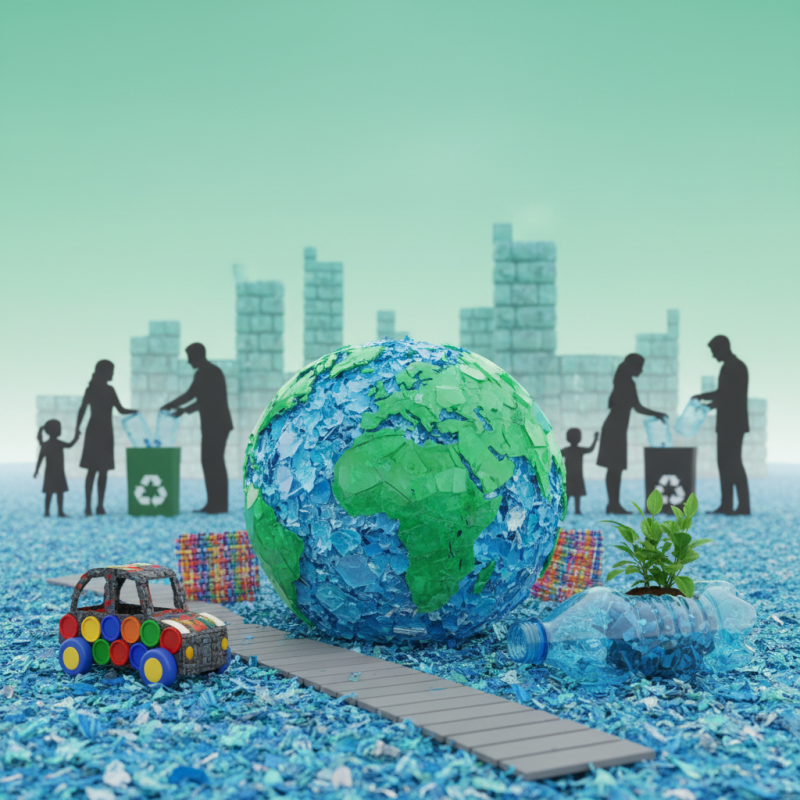
Understanding the Environmental Impact of Plastic Bottles
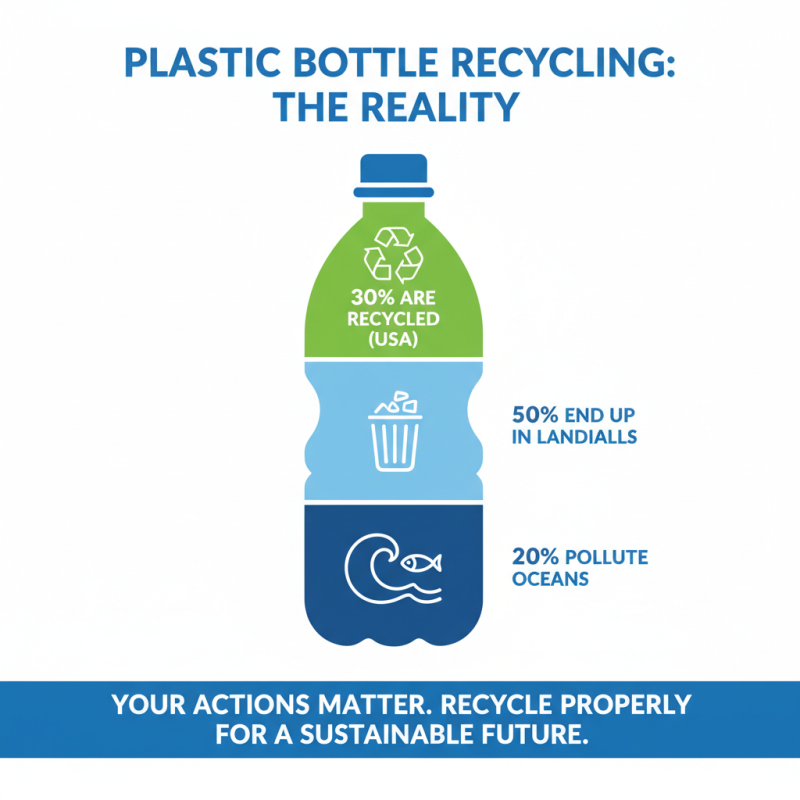
Plastic bottles have a significant environmental impact. They contribute to pollution and waste in oceans and landfills. According to a 2021 report by the World Economic Forum, around 300 million tons of plastic are produced each year. Of this, a staggering 50% is single-use. Only 9% of plastic waste is ever recycled.
When we throw away bottles, they can take up to 1,000 years to decompose. This highlights the urgency of recycling. Recycling plastic bottles can reduce greenhouse gas emissions significantly. The EPA suggests that recycling one ton of plastics can save more than 1,000 gallons of gasoline.
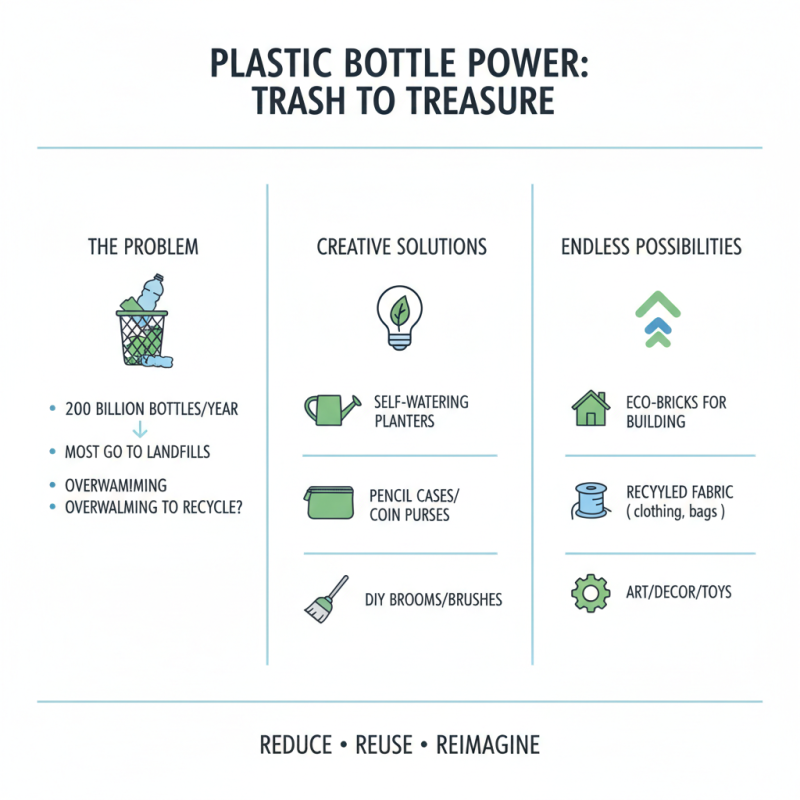
**Tips:** Try using a bottle for watering plants. Cut it in half, and use it as a tiny greenhouse. Another option is to create art. Plastic bottles can serve as colorful decorations in gardens or homes. Reusing these bottles creatively helps us reflect on our consumption habits.
Consider that the recycling rate for plastic bottles remains low, at about 29% in many regions. This forces us to rethink our choices. While recycling is important, reducing plastic use is even better.
Best Ways to Recycle Plastic Bottles for a Greener Future
| Recycling Method | Description | Environmental Impact |
|---|---|---|
| Curbside Recycling | Most common method where consumers place recyclable materials in designated bins for collection. | Reduces landfill waste and conserves natural resources. |
| Bottle Deposits | Consumers pay a deposit on bottles which is refunded upon return. | Increases recovery rates and reduces litter. |
| Upcycling | Transforming waste materials into new products of better quality. | Encourages creativity and reduces waste. |
| Industrial Recycling | Collection of materials from manufacturing processes for reuse. | Lowers production costs and conserves energy. |
| Community Drives | Local initiatives to collect and recycle plastic bottles. | Strengthens community engagement and promotes recycling awareness. |
Related Posts
-

How to Choose the Right Plastic Bottles for Your Business Needs
-
Exploring the Best Options for Bulk Plastic Bottles A Comprehensive Comparison Guide
-

The Ultimate Checklist for Choosing the Right Plastic Bottles for Your Business Needs
-
10 Best Reasons to Choose Plastic To Go Containers for Your Business
-
Innovative Solutions for Maximizing Efficiency with Best Plastic Bulk Containers
-
Understanding the Technical Specifications of the Best Plastic Shipping Containers with a Comprehensive Tutorial