What Are Take Out Boxes and Which Type Is Best?

Choosing the right take out boxes begins with a simple question: what must the box protect?

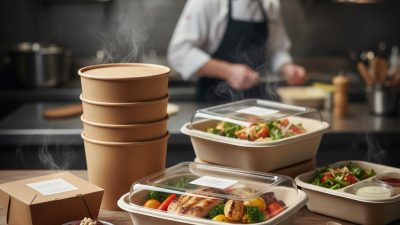
A hot curry needs strong walls, secure closure, and resistance to grease. Fresh salads need ventilation, visibility, and enough space to avoid crushing. Fried food needs airflow, or the coating may become soft before it reaches the customer. Packaging expert David Luttenberger once said, “Packaging is no longer just a container; it is part of the product experience.” That idea remains useful for restaurants, caterers, and food delivery teams.

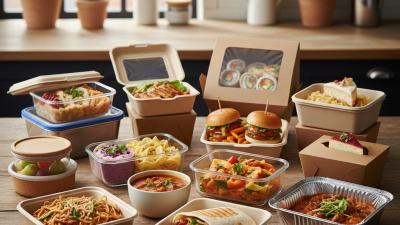
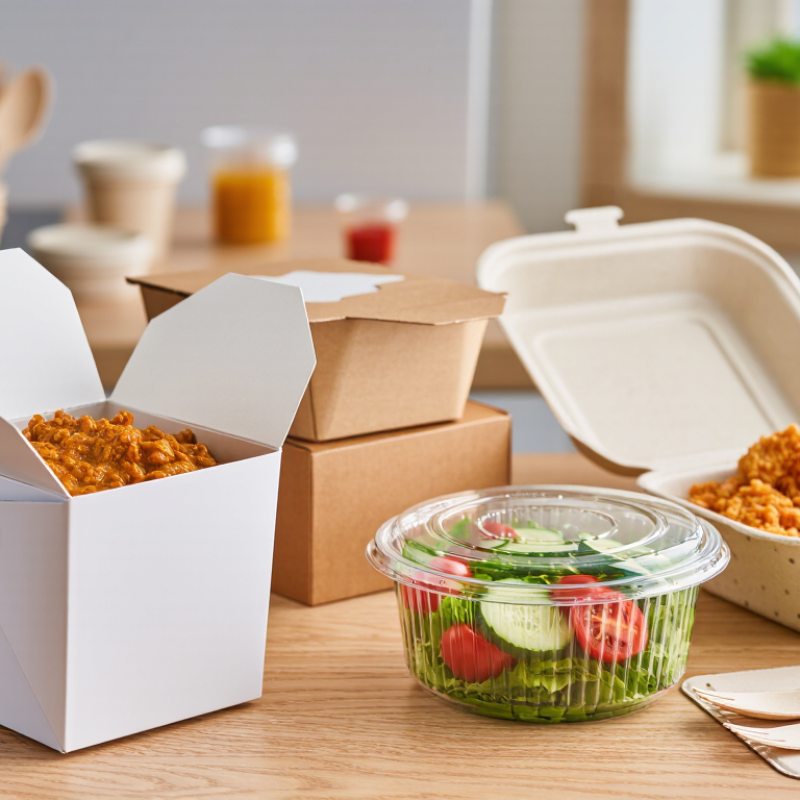
The best take out boxes balance protection, presentation, cost, and environmental responsibility. Paperboard boxes can feel natural and support branding. Plastic containers often provide clearer visibility and stronger leak resistance. Molded fiber options may suit businesses seeking renewable materials, although their performance can vary with moisture and heat. Recyclability also depends on coatings, food residue, and local collection systems. That detail is easy to overlook.

There is no universal winner.

A reliable choice starts with testing. Fill the box with the actual meal, close it, stack it, and carry it for thirty minutes. Check for leaks, sogginess, trapped steam, and difficult opening. I would not trust a sample test alone, though. Real delivery conditions can be messier. The “best” take out boxes are those that preserve food quality while making service safer, cleaner, and more memorable. Small failures still matter. A weak corner or loose lid can damage customer confidence quickly.
What Are Take Out Boxes and Which Type Is Best?

What Are Take-Out Boxes and How Are They Used?

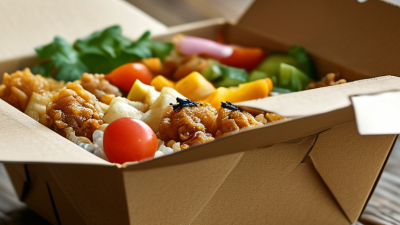
Take-out boxes are containers designed to hold prepared food during transport, short-term storage, and serving. They come in paperboard, molded fiber, plastic, and other food-contact materials. Each type handles food differently. Paperboard boxes suit fried rice, sandwiches, and dry pastries. Molded fiber containers manage warm meals and reduce dependence on plastic. Plastic boxes resist leaks and show the food clearly, but they may feel less breathable. Foam containers can retain heat well, although their use is restricted in some areas.

Fit matters. A box should hold the meal without crushing it or leaving excessive empty space. Vented lids help fried food stay crisp by releasing steam. Tight closures work better for sauces, soups, and foods that may spill. However, no take-out box is completely leak-proof in every situation. I learned this after carrying curry in a shallow container; the lid looked secure, but the bag told a different story. Containers should match the food’s temperature and moisture. Very hot food can soften some paperboard, while oily meals may stain it. Staff should check the lid, place liquid foods upright, and add a liner when needed. Some containers are suitable for reheating, but that claim must appear on the packaging. Reusing single-use boxes is also not always wise, especially after heavy staining or damage. The best choice depends on food texture, travel time, portion size, and disposal facilities.

What Materials Are Take-Out Boxes Made From?

What Are Take-Out Boxes and Which Type Is Best?

Take-out boxes are made from paperboard, molded fiber, bagasse, plastic, or aluminum. Each material performs differently around heat, moisture, grease, and recycling systems. Paperboard remains common because it is light, printable, and easy to stack. The U.S. Environmental Protection Agency reported a 68.2% recycling rate for paper and paperboard in its 2018 Facts and Figures report. However, a greasy box may lose that advantage. Food residue can prevent successful fiber recovery.

Molded fiber and bagasse use plant-based materials, including recycled paper or sugarcane residue. They feel sturdy and suit many hot meals, although moisture can soften them over time. Compostable does not always mean home-compostable. The 2023 Global Compostable Packaging Market report from Smithers identified industrial composting access as a major practical limitation. That detail matters.

Plastic boxes, commonly made from polypropylene or PET, resist leaks and tolerate refrigeration well. They also create a weaker recovery story. The EPA reported an 8.7% recycling rate for plastics overall in 2018. Aluminum offers strong heat resistance and excellent material value, but its production requires substantial energy. In practice, the best box depends on the meal, local collection rules, and disposal behavior. There is no perfect material. A dry sandwich may suit paperboard, while oily noodles demand better moisture protection. Choosing the cheapest box can create hidden waste.

Which Types of Take-Out Boxes Are Available?

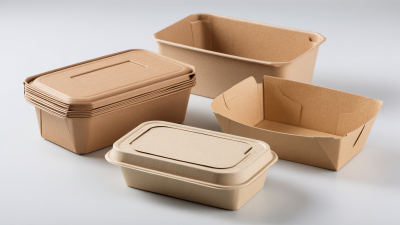
Take-out boxes come in several practical types, each suited to different foods. Paperboard boxes are lightweight, stackable, and often recyclable where local facilities accept them. They work well for sandwiches, noodles, and dry meals. However, greasy sauces can weaken untreated paper quickly. A moisture-resistant coating improves performance, but it may affect recycling options.

Molded-fiber boxes use pressed plant-based material and provide a firm, natural-looking container. They handle warm meals better than thin paperboard, although steam can soften them over time. Plastic containers offer strong leak resistance and clear visibility. They suit soups, salads, and chilled foods, but their environmental impact depends on material type and local recovery systems. Aluminum containers tolerate high heat and support oven reheating when the food-service instructions allow it. They do not suit microwave use.

I once chose a shallow paper box for a saucy rice dish. It looked neat, but the bottom weakened during delivery. That mistake changed my selection process. I now check food temperature, moisture, travel time, and stacking pressure before choosing a box. Vented lids help fried food stay crisp, while tight seals protect liquid meals. Food-contact compliance, secure closures, and clear disposal guidance matter more than appearance. A container can look sustainable and still perform poorly in real conditions.

What Are Take Out Boxes and Which Type Is Best? - Which Types of Take-Out Boxes Are Available?

A practical comparison of common take-out box types, materials, performance, and suitable food applications.

Take-Out Box Type Typical Material Common Sizes Best Uses Main Advantages Limitations Leak and Heat Performance End-of-Life Considerations
Folded Paperboard Box Coated or uncoated paperboard, usually with a folded locking tab Small: 8–12 oz
Medium: 16–24 oz
Large: 32 oz or more
Fried foods, sandwiches, noodles, pastries, snacks, and mixed meals Lightweight Stackable Printable Uncoated paperboard can soften when exposed to sauces, oil, or steam for long periods. Good for warm food; ventilation or grease-resistant coating improves performance. Not ideal for very wet dishes unless lined. Uncoated fiber boxes are commonly recyclable when clean and dry. Waxed or plastic-coated versions may require local facility acceptance.
Kraft Paper Take-Out Box Brown kraft paperboard, sometimes with a grease-resistant coating or lining Typically 16–32 oz, with larger meal boxes available Rice dishes, salads, sandwiches, bakery items, noodles, and casual meals Rigid Natural appearance Moderate grease resistance Paper fibers may absorb oil or moisture. The box can lose strength if overloaded or exposed to condensation. Good for warm and moderately oily foods when appropriately lined; vent holes can reduce sogginess. Plain kraft paper is generally recyclable if clean and dry. Fiber boxes with plastic or heavy grease-resistant coatings may not be accepted everywhere.
Paperboard Clamshell Folded paperboard with an attached hinged lid and locking closure Small: 6–12 oz
Medium: 16–24 oz
Large: 28–48 oz
Burgers, fried chicken, fries, pastries, sandwiches, and combination meals One-piece design Easy to close Good presentation May trap steam, which can reduce the crispness of fried foods. Hinges and tabs can weaken after repeated handling. Suitable for hot foods; venting is useful for fried items. Leak resistance depends on the coating and fold design. Recyclability depends on coatings, food residue, and local rules. Remove food scraps before recycling where possible.
Plastic Hinged Clamshell Clear or opaque polypropylene (PP), polyethylene terephthalate (PET), or other food-contact plastic Small: 8–16 oz
Medium: 24–32 oz
Large: 48 oz or more
Salads, fruit, cold sides, baked goods, sandwiches, and meals needing visibility Strong closure Product visibility Moisture resistant Plastic packaging has a higher material persistence than fiber packaging and may not be accepted by every recycling program. Excellent leak resistance for cold and room-temperature foods. Heat tolerance varies by resin and product specification. Check the resin identification code and local recycling rules. Containers should be emptied and rinsed when required.
Plastic Deli Container Usually polypropylene (PP) or polyethylene terephthalate (PET) with a separate snap-on lid 8, 16, 24, 32, and 48 oz are common capacities Soups, sauces, salads, desserts, prepared foods, and leftovers Secure lid Reusable for short-term storage Good visibility Separate lids can be misplaced. Thin containers may deform under high heat or pressure. Good moisture and leak resistance when the lid is properly fitted. PP is commonly selected for warmer foods, but temperature limits must be checked. Recycling acceptance varies by plastic type and location. Food residue and small lids can affect sorting and acceptance.
Aluminum Foil Container Thin formed aluminum with a foilboard, paperboard, or aluminum lid Small: 8–16 oz
Medium: 24–32 oz
Large: 48–96 oz
Baked pasta, roasted foods, casseroles, grilled meals, and oven-ready dishes High heat tolerance Rigid Good barrier protection Can bend when heavily loaded. It should not be used in a microwave unless specifically approved for that appliance. Very good for hot, oily, and moist foods. Lids may need a tight crimp or compatible cover to prevent leakage. Aluminum is widely recyclable where collection is available, but containers should be emptied and reasonably free of food residue.
Foam Food Container Expanded polystyrene (EPS) foam Commonly 8–32 oz, with compartmented meal sizes available Hot meals, fried foods, soups, and low-cost food service applications Excellent insulation Lightweight Low cost Fragile, bulky for its weight, and restricted or prohibited in some jurisdictions. It can also retain steam and soften some fried foods. Good insulation and moisture resistance for short-term transport; performance depends on wall thickness and closure. Often not accepted in curbside recycling because it is lightweight and difficult to collect and process. Local regulations should be checked.
Molded Fiber or Bagasse Box Molded plant fiber, such as sugarcane bagasse, bamboo fiber, or recycled paper fiber Small: 8–16 oz
Medium: 24–32 oz
Large: 48 oz or more
Rice meals, vegetables, fried foods, burgers, salads, and combination meals Rigid structure Good heat resistance Plastic-free options available May absorb liquid over extended periods. Some products use coatings that change their disposal options. Generally good for hot and oily foods. Venting helps preserve crisp textures and reduce condensation. Some products are accepted in commercial composting, but certification and local composting infrastructure are important. Do not assume home compostability.
Reusable PP Food Container Durable polypropylene with a separate or hinged reusable lid 16–64 oz, with single-compartment and divided designs Meal delivery programs, take-back systems, meal preparation, and repeat customers Durable Washable Good leak resistance Higher upfront cost, requires collection and washing, and adds logistics for a return system. Strong moisture resistance and suitable for many hot foods when used within the manufacturer’s temperature limits. Designed for multiple uses. At the end of its service life, recycling depends on the plastic type and local collection system.

Selection tip: Choose the box according to food temperature, moisture, grease level, required transport time, closure security, ventilation needs, and the recycling or composting facilities available in the intended service area.

How to Choose the Best Take-Out Box for Different Foods?

Take-out boxes are containers designed to protect food during transport, holding, and eating. The best choice depends on temperature, moisture, weight, and presentation. The National Restaurant Association’s 2024 State of the Restaurant Industry Report found that 47% of adults pick up takeout weekly. Packaging must perform beyond the kitchen.

For saucy noodles, curry, or soups, choose leak-resistant containers with secure lids. PP plastic handles heat well and resists moisture, while coated paper works better for short journeys. Fried foods need vented fiber boxes. Tiny vents release steam and help preserve crispness. Otherwise, hot fries quickly become soft. For salads, use a rigid container with separate dressing space. This prevents early wilting. Heavy meals require a strong base and a lid that will not collapse. The FDA Food Code emphasizes safe, clean food-contact surfaces, so materials must suit the intended food and temperature.

Tips: Test every box with real portions. Fill it, tilt it, and carry it for 20 minutes. Check leaks, condensation, and lid pressure. Avoid choosing only by appearance. The UNEP Food Waste Index Report 2024 estimated 1.05 billion tonnes of food were wasted globally in 2022, making portion protection important. Still, I sometimes overvalue compostable packaging without checking its moisture resistance or local processing access. That mistake can create waste instead of reducing it. Clear labeling and simple stackability also improve staff accuracy during busy service.

What Makes a Take-Out Box Safe and Sustainable?

Take-out boxes protect food during a short, demanding journey. A safe box must be made for food contact and match the meal’s temperature. Hot soup needs strong seams, a tight lid, and enough headspace to prevent spills. Greasy noodles can weaken some paper coatings. Cold salads create condensation, which may soften weak fiber.

Look for clear material information from the supplier. The box should resist leaking, tearing, and odor transfer during normal use. Vents matter for fried food. Without them, steam turns crisp crusts soft.

For hot meals, avoid damaged, stained, or poorly sealed containers. A quick shake test over a tray can reveal weak lids. It is simple, but useful.

Sustainability requires more than a green-looking label. Recycled fiber can reduce demand for new materials, while reusable containers may work well in closed delivery systems. Compostable boxes only help when suitable facilities accept them. Otherwise, they may become ordinary waste. Some coatings also complicate recycling.

I once assumed a paper box was automatically better. That assumption was too easy and not always correct. Check local disposal guidance, supplier test data, and actual food service conditions. Small choices matter, but evidence should lead.