Top 10 Stock Bulk Bag Suppliers in China?
China is a major sourcing base for flexible intermediate bulk containers, but choosing a supplier takes more than comparing prices. This guide introduces ten Stock Bulk Bags suppliers in China and explains what buyers should examine before requesting a quotation. Product range, available stock, fabric specifications, stitching, lifting loops, and packaging can all affect whether a bag fits a particular job. Small details matter.
A reliable supplier should provide clear product information, practical answers, and samples or inspection options when appropriate. Buyers can ask about safe working load, bag dimensions, liner choices, printing, order quantities, and production lead times. Request current documentation rather than relying on a logo or a broad quality claim. Consistent communication is useful, too. It can reveal how a supplier handles changes, delays, or specification questions before an order is placed.
The supplier profiles are intended as a starting point, not a guarantee that every company suits every buyer. Availability and business details can change, and quoted specifications should be confirmed directly with each supplier. Compare like with like, including materials, testing records, shipping terms, and after-sales support. A lower price may look attractive, yet it does not tell the whole story. Some details are hard to judge from a website alone. That deserves a second look. A careful shortlist, supported by written specifications and clear communication, can make sourcing in China more predictable.
What Stock Bulk Bags Are and Where They Are Used
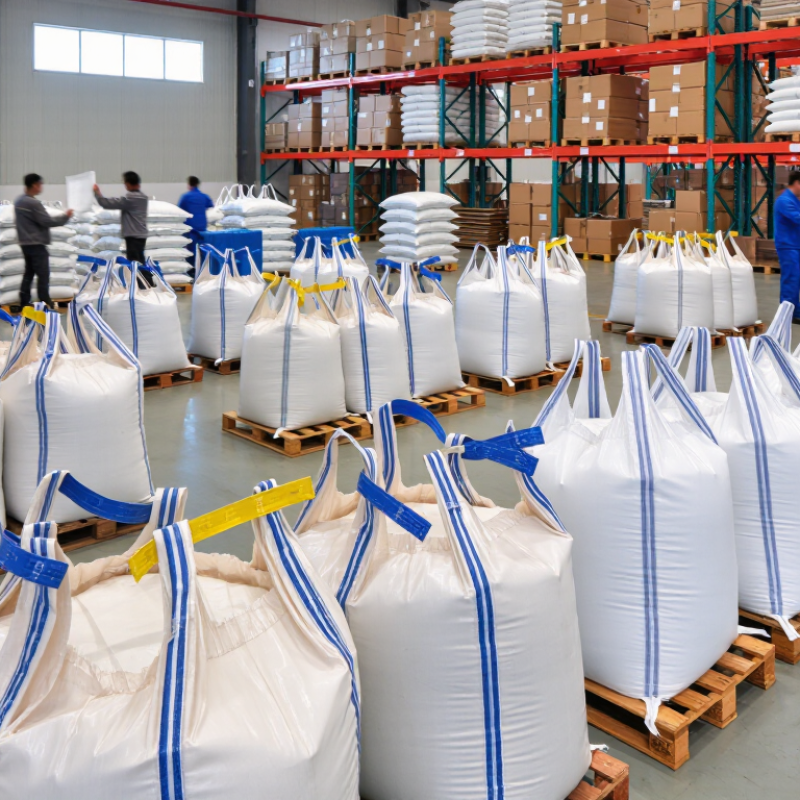
Stock bulk bags are ready-made flexible intermediate bulk containers, often called FIBCs. Unlike custom bags, they come in common dimensions and configurations, allowing warehouses to replenish supplies quickly. Most use woven polypropylene fabric, lifting loops, and either an open top or a filling spout. Simple, but not interchangeable.
They carry dry, pourable materials such as grain, seed, plastic pellets, and mineral products. A farm may stage seed bags beside a loading bay; a building supplier may move sand or dry aggregate by forklift. The right bag depends on the material’s weight, flow, moisture exposure, and handling route. A liner can help with fine or moisture-sensitive contents, but it is not a universal fix. Fit matters.
Before ordering stock bags, confirm safe working load, dimensions, loop style, discharge design, and whether each bag is new or reused. Check seams and lifting loops before use, and follow the bag’s handling instructions. A bag that fits a pallet may still be awkward beneath a low warehouse ceiling. This detail is easy to miss. Stock options can reduce lead time, though available sizes may constrain a process; measure the filling and storage area rather than relying only on a catalog image.
Top 10 Stock Bulk Bag Suppliers in China? What Stock Bulk Bags Are and Where They Are Used
Stock bulk bags are standard, ready-to-ship flexible intermediate bulk containers (FIBCs). Common safe working load (SWL) options include 500, 1,000, 1,500, and 2,000 kg; the appropriate rating depends on the bag design and the product being packed. These bags are used to transport and store materials such as grains, fertilizers, mineral products, and construction materials. Check each bag’s label and specifications before use.
How to Evaluate Stock Bulk Bag Suppliers in China
When evaluating stock bulk bag suppliers in China, compare more than quoted price and production capacity. Ask for exact dimensions, fabric weight, safe working load, and available filling and discharge options. “Stock” can mean ready-made inventory, or standard designs produced after an order; clarify this before planning delivery. Small distinction. Check whether the supplier can provide dated photos and a sample matching the stated specifications.
Inspect the bag itself. Look at stitching around lifting loops, seam consistency, and the condition of the fabric under bright light. Request a sample and measure it; a neat sample can still differ from the goods shipped later. Ask how batches are checked and whether inspection records can be tied to your order. For bags used with food or sensitive materials, confirm the relevant material and handling documentation rather than relying on a general assurance.
Communication is part of the evaluation. Send one clear specification sheet and see whether the supplier flags missing details, such as liner type, printing, or loading method. Ask for a written lead time, packaging plan, and explanation of how defects are handled. Compare answers for precision, not just speed. I would not treat a polished quotation as proof of reliable production; even experienced buyers can overlook one small specification and pay for it in delays. Check shipment quantities and carton or bundle labels before dispatch.
Top 10 Stock Bulk Bag Suppliers in China
Top 10 Stock Bulk Bag Suppliers in China
Choosing among China’s stock bulk bag suppliers takes more than comparing unit prices. Check whether a supplier can confirm ready inventory, bag dimensions, fabric weight, safe working load, and dispatch time in writing. Ask for recent test records and a production sample; inspect seams, lifting loops, and the discharge spout. Small details matter. ISO 21898:2004 sets requirements for flexible intermediate bulk containers used with non-dangerous goods, making it a useful reference when reviewing specifications. The World Bank’s 2023 Logistics Performance Index ranked China 19th, with a score of 3.7. This offers supply-chain context, but it does not verify any individual supplier’s delivery performance.
For a credible top-ten shortlist, compare suppliers on stock accuracy, quality-control records, customization limits, export packing, and response time. Request a dated inventory list, not just a catalogue. Confirm whether the quoted bags are new, unused stock and whether the same specification applies to the full batch. A low price may hide inconsistent fabric or unclear inspection terms. I would not treat a polished product sheet as proof; that is an easy mistake to make.
Tips: Ask for photos of the actual stock beside a dated label. Confirm the safe working load and safety factor on the technical sheet, then match them to your cargo and handling method. Get the agreed inspection criteria and delivery window in writing before ordering.
Products and Manufacturing Capabilities of the Featured Suppliers
China’s stock bulk bag suppliers commonly offer woven polypropylene bags in several sizes, with options for coated fabric, inner liners, filling spouts, and discharge bottoms. Their production lines may include fabric extrusion, circular weaving, cutting, sewing, and printing. Some suppliers keep standard bags ready for shipment, while others make small adjustments to dimensions or lifting loops. That difference affects lead time. Ask which specifications are actually stocked, not just available on a product sheet.
Manufacturing capability is best judged through details: fabric weight, seam construction, loop strength, and documented load testing. Request a sample that matches the intended use, then check its dimensions, stitching, and discharge design. A tidy specification sheet is not the whole story; I would still want to inspect a production sample. This comparison can miss differences between production batches, so ask how inspections are recorded and what happens when a bag fails a check. Clear answers matter.
Tips: Share the product weight, filling method, storage conditions, and handling equipment before requesting a quote. Ask for a sample and test report. Small details count. A low price alone tells you little.
How to Select the Right Supplier for Your Requirements
Selecting a stock bulk bag supplier starts with the material, not the catalog photo. Define the product’s weight, density, filling method, and discharge needs. A bag for dry granules may need a different fabric and liner from one used for fine powder. Check the stated safe working load, dimensions, lifting loops, seam construction, and fabric weight. Ask how these specifications are tested and request recent test records. Details matter.
Then compare samples against your actual handling conditions. Measure the bag, inspect the seams, and check whether the loops sit evenly when lifted. Confirm minimum order quantities, repeat-order consistency, production lead times, and how defects are handled. If moisture, sunlight, or product contact matters, ask for documentation on the relevant coating, UV resistance, or liner. A polished sample is not the whole story. Request a production sample when possible, and clarify which specifications will remain fixed. Supplier questionnaires can feel tedious, and they may not reveal every weakness; a small trial order can still expose fit or handling problems before a larger purchase.