Top 10 Benefits of Using Plastic Food Containers for Meal Prep
In today's fast-paced world, meal prep has become an essential practice for many individuals looking to maintain a healthy lifestyle while managing their time effectively. One key component that significantly enhances the meal prep experience is the use of plastic food containers. These versatile and practical containers offer a multitude of benefits that not only simplify the storage of meals but also contribute to organizational efficiency in the kitchen.
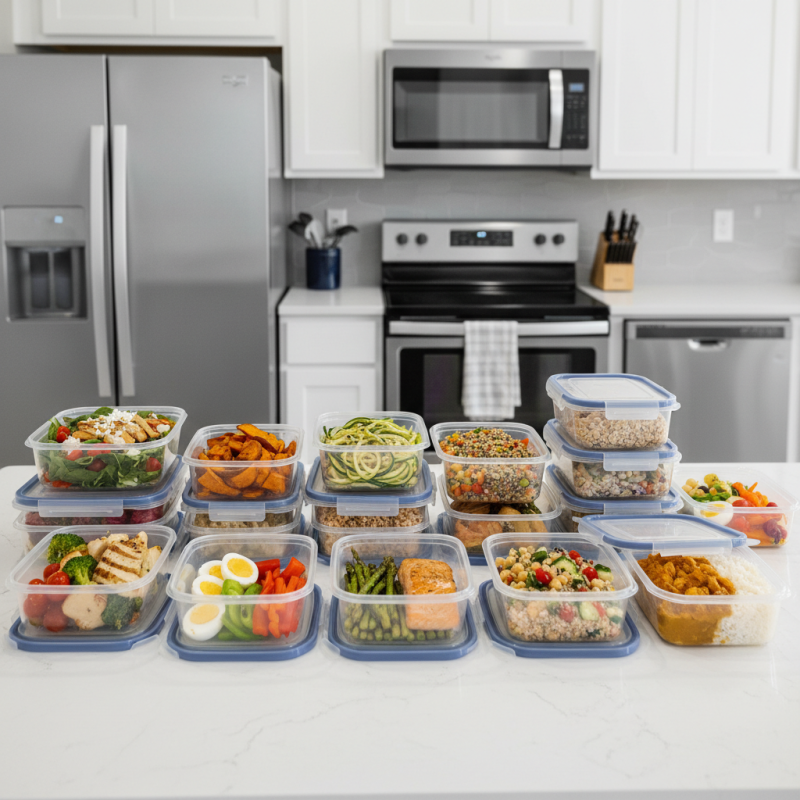
Plastic food containers are lightweight, durable, and come in various shapes and sizes, making them ideal for storing anything from fresh salads to hearty casseroles. With their ability to be microwave and dishwasher safe, these containers provide convenience that is hard to beat. Furthermore, they help in portion control, reducing food wastage and streamlining the process of planning nutritious meals for the week ahead. As we explore the top 10 benefits of using plastic food containers for meal prep, it becomes clear that they are an indispensable tool for anyone looking to optimize their eating habits and enhance their culinary experience.
Benefits of Plastic Food Containers for Meal Prep Efficiency
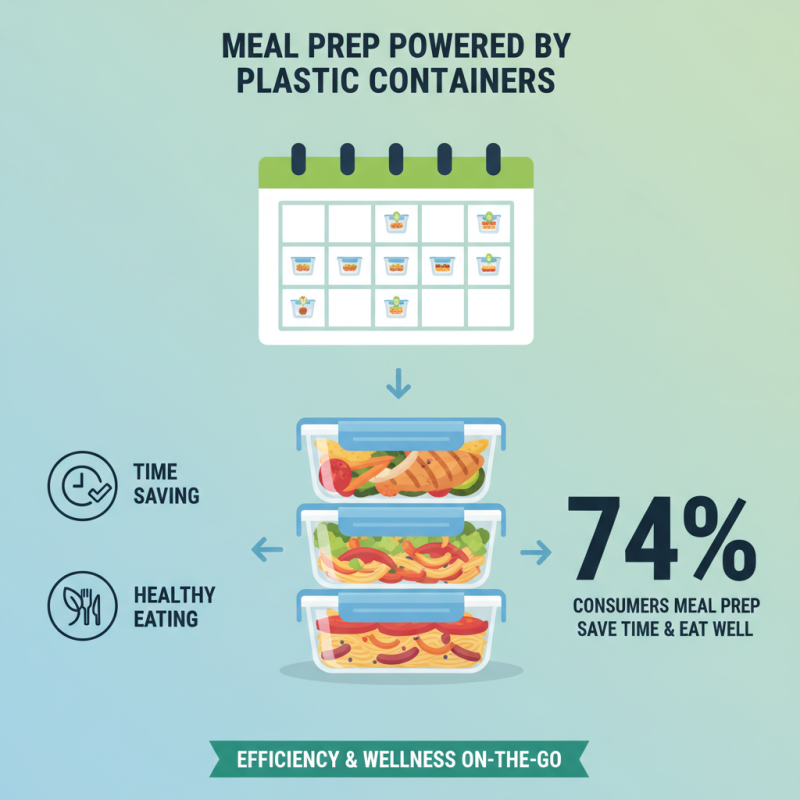
Meal prepping has gained immense popularity in recent years, driven by the pursuit of healthier eating habits and increased efficiency in food management. One of the essential tools in this practice is plastic food containers, which offer an array of benefits that enhance meal prep efficiency. According to a report by Packaged Facts, approximately 74% of consumers are inclined towards meal prepping to save time and promote healthy eating. With this growing trend, the role of plastic containers becomes increasingly significant.
Plastic food containers are lightweight and stackable, enabling users to organize their meals effectively in limited spaces. Their durability allows them to withstand various temperatures, making them suitable for both microwave and freezer use. A study from the Food Packaging Forum reveals that utilizing appropriate packaging can extend the shelf life of food by up to 40%, significantly reducing food waste. This aspect is crucial as food waste is a major concern, with the Food and Agriculture Organization estimating that 1.3 billion tons of food is wasted globally each year. By maintaining the freshness and quality of meal preps, plastic containers contribute not only to efficiency but also to sustainability.
Additionally, the flexibility of plastic containers accommodates a wide range of portion sizes, aiding in portion control which is vital for nutritional goals. Research indicates that meal preparation can lead to a 10%-15% improvement in adherence to dietary plans. The transparency of plastic containers also allows for quick identification of contents, further speeding up the preparation process. These attributes combined make plastic food containers an indispensable resource for anyone looking to enhance their meal prep routine efficiently.
Cost-Effectiveness: How Plastic Containers Save Time and Money
Using plastic food containers for meal prep offers significant cost-effectiveness, making them an ideal choice for those looking to save both time and money in their daily routines. First and foremost, these lightweight containers are generally less expensive than their glass or metal counterparts, allowing users to purchase them in bulk without straining their budgets. This increased affordability means that individuals can invest in a variety of sizes and shapes, ensuring they have the right container for every meal, which ultimately reduces the need for repeated purchases.
Additionally, plastic containers are designed to be reusable and durable, meaning that they can withstand frequent use and cleaning, further enhancing their cost benefits. By meal prepping with these containers, individuals can reduce food waste by properly storing leftovers and prepped ingredients, leading to significant savings on grocery bills over time. Finally, the convenience of using plastic containers helps streamline the meal preparation process, allowing for quicker organization and meal assembly, which ultimately saves valuable time during busy weekdays. This efficiency not only enhances productivity but also encourages healthier eating habits by making nutritious meals more accessible.
Top 10 Benefits of Using Plastic Food Containers for Meal Prep
Versatility of Plastic Containers in Diverse Meal Prep Applications
Plastic food containers have revolutionized meal prep by offering unmatched versatility across various culinary applications. Whether it’s for storing leftovers, pre-portioning snacks, or organizing ingredients for the week, the adaptability of plastic containers makes them essential for efficient meal planning. According to a report from the International Journal of Food Science, nearly 70% of consumers prefer plastic containers for meal storage due to their durability and lightweight nature, providing convenience without compromising on food safety.
One of the key benefits of utilizing plastic food containers is their range of sizes and shapes, which can cater to different meal types. For instance, larger containers are ideal for batch cooking grains or proteins, while smaller ones work perfectly for salads or sauces. This versatility allows home cooks to efficiently manage their kitchen space and ingredients, ultimately promoting healthier eating habits. Research from Food and Beverage Reports indicates that meal prep can lead to a 50% reduction in food waste, highlighting the effectiveness of using appropriate storage solutions.
Tips: To maximize the functionality of your plastic containers, consider using a labeling system to keep track of meal dates and contents. Additionally, ensure that you select containers that are microwave and dishwasher safe, allowing for easy reheating and cleaning. Regularly check for wear and tear to maintain food safety standards.
Top 10 Benefits of Using Plastic Food Containers for Meal Prep
| Benefit |
Description |
Use Case |
| Lightweight |
Easy to carry and transport. |
Ideal for lunch on-the-go. |
| Durability |
Resistant to drops and impacts. |
Excellent for meal prepping for sports activities. |
| Versatility |
Can store various food types. |
Used for salads, pastas, and snacks. |
| Microwave Safe |
Can be used to heat food directly. |
For reheating leftovers. |
| Cost-Effective |
Usually less expensive than glass containers. |
Great for budget meal planning. |
| Stackable Design |
Easy to store in small spaces. |
Convenient for kitchen organization. |
| BPA-Free Options |
Safe for food storage without harmful chemicals. |
Used for safely storing all food types. |
| Easy to Clean |
Dishwasher safe and easy to maintain. |
Great for daily meal prep. |
| Airtight Sealing |
Helps keep food fresh longer. |
Perfect for keeping snacks fresh. |
| Color Coding |
Allows for easy organization of meals. |
Used in meal prep for different diets. |
Safety and Health: BPA-Free Options in Food Storage Solutions
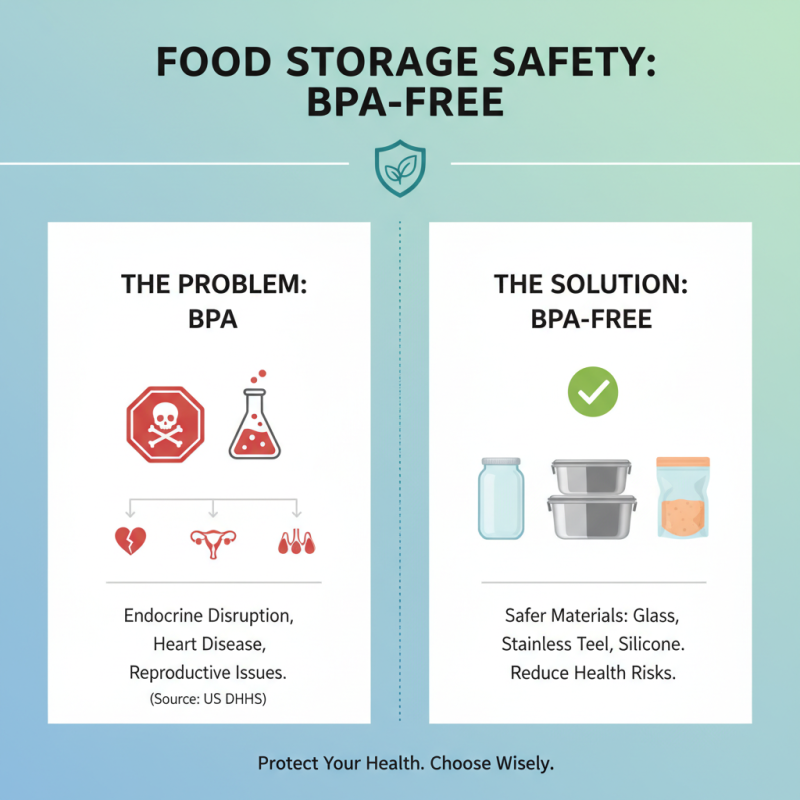
When it comes to storing food, the safety and health implications of using material that can leach harmful chemicals into your meals cannot be overstated. One major concern has been Bisphenol A (BPA), a chemical commonly found in many plastic containers, which has been linked to various health issues. According to the U.S. Department of Health and Human Services, BPA exposure can disrupt endocrine function and has been associated with heart disease and reproductive problems. As a result, many consumers are now seeking BPA-free food storage options to mitigate these risks.
Research published in the Journal of Food Science indicates that the demand for BPA-free products has surged significantly, with an increase of over 50% in consumer preference from 2018 to 2022. This shift highlights a growing awareness of food safety and the importance of utilizing materials that do not pose health threats. BPA-free plastic food containers not only ensure safer meal prep but also offer durability and convenience, making them ideal for today's busy lifestyles. Additionally, these containers are often designed to withstand varying temperatures, which is crucial for both reheating meals and keeping items fresh without compromising health standards.
Environmental Impact: Recycling and Sustainability of Plastic Containers
The use of plastic food containers has become increasingly popular for meal prep, not only for their convenience but also for their environmental impact. Many plastic containers are made from recyclable materials, offering an opportunity to minimize waste and reduce the burden on landfills. By choosing containers marked with recycling symbols, consumers can ensure that their disposal process is as sustainable as possible. Proper recycling practices can significantly decrease the amount of plastic waste that ends up in oceans and natural habitats, protecting wildlife and preserving ecosystems.
Additionally, the durability and longevity of plastic containers mean they can be reused multiple times before needing to be recycled. This ongoing use helps to decrease the demand for single-use products, which often exacerbate environmental issues. By incorporating plastic containers into meal prep routines, individuals can not only enjoy the benefits of organized meals but also contribute to a more sustainable lifestyle. As awareness grows around the importance of reducing plastic footprints, these containers can serve as a practical solution for those looking to align their meal preparation habits with eco-friendliness.