China Best Plastic Packaging Manufacturers for Global Buyers
Choosing China’s best plastic packaging manufacturers requires more than comparing prices or browsing polished product photos. Global buyers need suppliers that combine material knowledge, stable production, clear communication, and dependable quality control. This guide examines manufacturers through practical purchasing concerns, including resin selection, mold development, printing accuracy, sealing performance, and delivery coordination.
A reliable supplier should explain why a specific plastic packaging structure suits the product. For example, a cosmetics brand may need a rigid bottle with strong color consistency and a secure pump. A food producer may require barrier protection, clean production areas, and traceable batch records. Experienced manufacturers can provide samples, technical drawings, test reports, and production timelines before large orders begin. These details reveal more than attractive catalogs.
Real sourcing is rarely perfect. Samples may differ slightly from mass production, and communication can slow when specifications remain vague. That is why buyers should confirm tolerances, packaging methods, inspection standards, and corrective procedures in writing. Factory visits, independent inspections, and small trial orders can reduce avoidable risk. Still, no checklist replaces careful judgment. Supplier claims deserve verification.
The manufacturers discussed in this article are considered through an international buyer’s perspective. Their capabilities, certifications, export experience, customization options, and after-sales responsiveness all matter. Cost remains important, but the lowest quote can become expensive after delays, defects, or repeated tooling changes. With disciplined evaluation, buyers can build partnerships that support consistent packaging quality and long-term market growth.
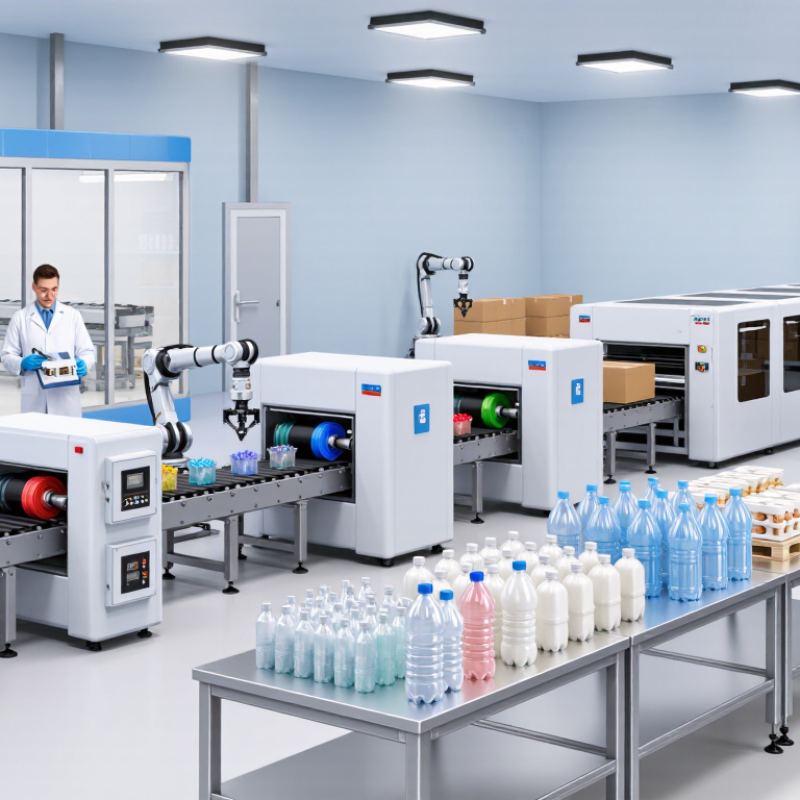
China’s Plastic Packaging Manufacturing Landscape
China’s plastic packaging manufacturing landscape combines enormous scale with uneven capability. The OECD’s Global Plastics Outlook estimates that China produced about one-third of the world’s plastics in 2019. PlasticsEurope reported global plastics production at 413.8 million tonnes in 2023, with Asia remaining the dominant production region. Scale matters.
Manufacturers commonly support blown-film extrusion, injection molding, thermoforming, printing, and pouch conversion. A capable factory can manage resin drying, color matching, seal-strength testing, and carton packing under one roof. Buyers should request recent test records, production photographs, and batch traceability documents. A low quotation may exclude mold maintenance, artwork changes, or export packaging. That gap matters.
The landscape is not perfectly transparent. Industry reports describe regional capacity, but they cannot fully measure smaller workshops or inconsistent subcontracting. China’s Ministry of Industry and Information Technology continues to emphasize efficient production and greener manufacturing, while international buyers increasingly request recycled content and downgauged films. These improvements are real, but verification remains essential. An on-site audit should examine resin storage, clean production zones, defect controls, and worker safety records. Do not rely on certificates alone. A certificate can age quickly. Reliable sourcing requires comparing samples, tolerances, lead times, and corrective-action responses before placing a large order.
Major Plastic Packaging Products and Applications
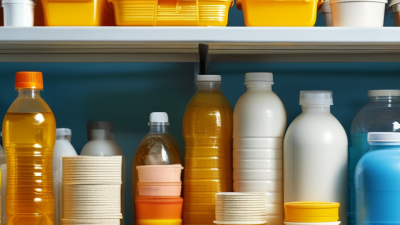
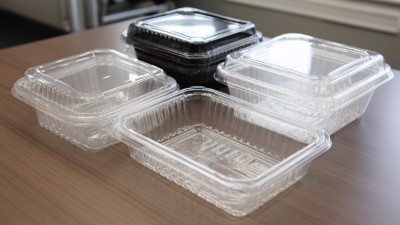
Plastic packaging serves different jobs across global supply chains. Bottles support beverages, detergents, and personal care liquids. Flexible films protect snacks, frozen food, and agricultural products. Stand-up pouches reduce shipping weight. Rigid trays improve product visibility and stacking. Caps, closures, and dispensing pumps control leakage and dosage. Pharmaceutical packaging demands stronger barrier performance and careful dimensional accuracy.
The OECD Global Plastics Outlook reports that packaging represented about 40% of global plastic waste in 2019. The same report recorded 353 million tonnes of plastic waste that year. These figures show why material selection matters. Polyethylene, polypropylene, PET, and multilayer structures each offer different protection, cost, and recyclability profiles. Buyers should test seal strength, drop resistance, oxygen transmission, and temperature tolerance. A cheaper package can create higher costs through spoilage, returns, or damaged goods. No package is perfect. Even experienced teams sometimes optimize one property while weakening another.
Tips: Request food-contact or product-specific compliance documents. Ask for migration testing when relevant. Compare samples under real transport conditions, not only on a showroom table. Confirm production tolerances, color consistency, and minimum order quantities. The supplier’s quality system should include incoming inspection, process checks, and batch traceability. Smithers’ packaging research also highlights continued demand for lightweight formats, but lightweighting should not reduce package integrity. Small failures matter.
How to Evaluate Chinese Packaging Manufacturers
China Best Plastic Packaging Manufacturers for Global Buyers
Evaluating Chinese packaging manufacturers requires more than comparing quotations. Start with traceable evidence. Request the legal factory address, production scope, audit records, and recent customer references. A serious supplier should explain resin grades, film thickness, printing controls, sealing temperatures, and batch traceability clearly. Ask for samples from three different production lots. One attractive sample proves very little.
The OECD’s Global Plastics Outlook reports that global plastic waste reached 353 million tonnes in 2019. This makes material efficiency and end-of-life planning essential. Check whether the manufacturer measures production scrap, supports recyclable structures, and provides credible material declarations. For food-contact packaging, request migration-test reports from accredited laboratories. ISO 9001 certification can indicate controlled processes, but certification alone is not proof. Review its scope and expiry date. In practice, a factory tour may reveal more than a polished presentation. Look at storage conditions, moisture protection, calibration labels, and rejected products. Perfect paperwork still deserves careful questioning.
Tips:
Compare the same specification across suppliers. Check thickness tolerance, seal strength, odor, color variation, and delivery performance. Ask for a corrective-action report, not only promises. Use a small trial order before signing large contracts. Keep communication documented. No checklist is complete. One weakness remains: remote audits can miss night-shift problems. A video call cannot fully verify labor routines, machine maintenance, or actual production capacity. Independent inspection before shipment adds cost, yet it can expose mismatched materials, incomplete cartons, and unapproved artwork.
Steps for Global Buyers to Source and Import Packaging
Global buyers should source plastic packaging through a documented, step-by-step process. Define the product before contacting factories. Record dimensions, resin type, thickness, color, closure style, printing, and monthly volume. Add the intended application and storage conditions. A clear specification reduces costly revisions. It is not glamorous, but it works. Request company registration details, production photos, quality procedures, and recent test reports. Verify that reports match the exact material and product, not a similar sample.
Ask for samples from the proposed production line. Measure wall thickness, weight, seal strength, odor, and fit under normal use. Test filled samples during transport; a package that looks good on a desk may fail after vibration. Compare at least three quotations using the same specification and trade terms. Check tooling fees, minimum order quantity, payment stages, lead time, and replacement terms. I would not trust a low price alone. It can hide thinner material or unclear inspection responsibility. Use a written purchase agreement with approved samples and tolerances.
Before importing, confirm the correct customs classification with a qualified broker. Prepare the commercial invoice, packing list, transport document, origin information, and required material or contact-safety declarations. Requirements vary by destination and end use. Calculate landed cost, including freight, duties, port charges, testing, and possible storage. Arrange pre-shipment inspection against the approved sample. Keep batch numbers and photographs. My process is not perfect; destination rules can change, and small documentation errors can delay a container. Build a buffer into time and budget. Then monitor the first shipment closely and revise the specification when evidence demands it.