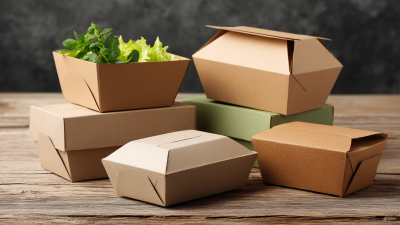
2026 Top Disposable Food Containers You Need to Buy Now?
In today's fast-paced world, disposable food containers have become essential for convenience and efficiency. These products come in various shapes and sizes, catering to a range of needs. Whether you’re packing a meal for work or organizing leftovers, choosing the right disposable food containers can make a significant difference.
However, with countless options available, it can be overwhelming to find the best choices. Some containers may not be durable or made from safe materials. This inconsistency raises concerns about reliability and overall effectiveness. For instance, a container that leaks or melts in the microwave can ruin your plans and lead to food waste.
Exploring the top disposable food containers for 2026 allows you to make informed decisions. It’s crucial to consider quality, usability, and environmental impact. Finding containers that are both functional and responsible is a task worth thoughtful consideration.
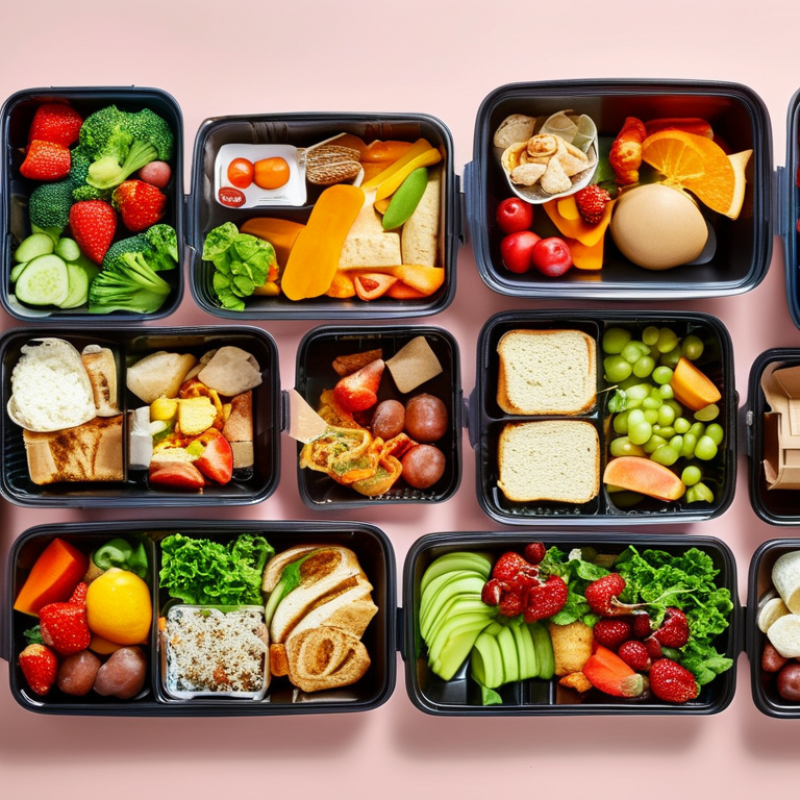
The Rise of Disposable Food Containers: Trends and Market Insights
The popularity of disposable food containers continues to surge, driven by convenience and sustainability concerns. According to a report by MarketsandMarkets, the global market for disposable food containers is projected to reach $81.3 billion by 2026, growing at a CAGR of 4.8%. This trend is fueled by the rise in takeout and delivery services, especially post-pandemic, reshaping consumer behaviors.
As disposable food containers become commonplace, various materials are gaining traction. Biodegradable options are increasingly favored, with a significant 54% of consumers expressing interest in environmentally friendly products. However, many products still fall short in their life cycle impact, leading to questions about true sustainability.
When selecting disposable containers, consider the material’s recyclability. Some plastics can harm the environment if not disposed of properly. Additionally, the size and shape of containers should meet your specific needs. Adaptability in design can enhance usability for both consumers and businesses. Look for innovative features, like compartmentalization, which can add value. Finding the right balance between convenience and environmental responsibility is crucial in today’s market.
Material Innovations in 2026: Sustainable Options for Disposable Food Containers
The landscape of disposable food containers is evolving rapidly, driven by material innovations aimed at sustainability. In 2026, expect to see a shift towards biodegradable materials and plant-based plastics. These options are not just trendy; they address environmental concerns. Many consumers are now more aware of their choices and want eco-friendly solutions.
Biodegradable containers break down more easily than traditional ones. They reduce the time waste spends in landfills. Additionally, materials like bamboo and sugarcane are gaining traction. These options not only serve the purpose but also leave a smaller carbon footprint. However, the transition to these materials is not without challenges. Production costs can be higher, and not all biodegradable options perform well with hot or oily foods.
The consumer's role is pivotal in this change. There is still a need for education on proper disposal methods. Some products labeled as biodegradable require specific conditions to decompose effectively. Without proper knowledge, consumers may inadvertently harm the environment. As 2026 approaches, it becomes crucial for manufacturers to balance sustainability with functionality and affordability.
2026 Top Disposable Food Containers You Need to Buy Now
| Container Type |
Material |
Sustainability Rating |
Heat Resistance (°C) |
Biodegradable |
Recyclable |
| Food Bowl |
PLA (Polylactic Acid) |
A+ |
50 |
Yes |
Yes |
| Takeout Container |
Bagasse |
A |
120 |
Yes |
Yes |
| Salad Box |
Recycled PET |
B+ |
70 |
No |
Yes |
| Beverage Cup |
Bamboo Fiber |
A+ |
90 |
Yes |
No |
| Plate |
Sugarcane |
A |
120 |
Yes |
Yes |
Health and Safety Standards: Regulations Impacting Food Container Choices
When selecting disposable food containers, it's crucial to consider health and safety standards. Regulations are in place to ensure that these containers do not leach harmful substances into food. For instance, certain plastics can release toxins when heated. Understanding the materials used in these containers is essential for making informed choices.
Different regions have varying regulations. In some areas, containers made from specific materials may require certification to ensure user safety. Familiarizing yourself with local guidelines can prevent potential health risks. The importance of robust testing cannot be overstated. Manufacturers need to adhere to rigorous standards to keep consumers safe.
It’s also important to reflect on the environmental impact of these containers. Many disposable options contribute to growing waste problems. Consider alternatives that are not only safe but also eco-friendly. This shift may challenge ingrained habits but is vital for a sustainable future. Thoughtful choices now can lead to safer and more responsible consumption later.
Cost Analysis: Evaluating Value and Quality in Disposable Food Packaging
When considering disposable food containers, cost is a vital factor. The market offers numerous options, each varying in price and quality. Understanding this relationship helps maximize value. Some cheap containers may compromise strength or durability. They can leak or break easily, leading to food wastage. Investing a bit more may yield stronger materials that withstand heat and moisture.
Quality is often determined by the material. Biodegradable options are growing but may cost more upfront. However, they reduce environmental impact, making them a sustainable choice. Conversely, traditional plastic containers are typically less expensive but can have long-term ecological costs. Assessing the trade-offs between initial price and overall sustainability is crucial.
Another aspect to examine is usability. Containers that stack easily save space and enhance organization. Features like secure lids prevent spills during transport. We all value convenience, yet not every product provides this efficiently. Carefully evaluating the offerings on the market fosters informed decisions. Ultimately, investing in quality containers reflects a wise choice for both your budget and the planet.
Consumer Preferences: Survey Data on the Most Desired Features in 2026
Consumer preferences in the realm of disposable food containers are evolving rapidly as we approach 2026. A recent survey indicates that 75% of consumers prioritize sustainability in their purchasing decisions. The demand for eco-friendly materials, such as bioplastics and compostable options, is expected to rise significantly. According to industry reports, nearly 60% of respondents expressed a desire for containers that are both recyclable and biodegradable. This shift highlights a growing awareness of environmental issues among consumers.
Another key feature is convenience. Approximately 70% of individuals surveyed mentioned the importance of leak-proof designs. These containers must effectively prevent spills during transport or storage. Additionally, around 65% stated they prefer microwave-safe options. This reflects a need for practicality in everyday use. However, some concerns remain regarding the durability of these materials. Many users have noted instances of containers warping or failing under heat.
Finally, consumer interest in aesthetic design has also surged. Nearly 55% of respondents indicated that they appreciate visually appealing packaging. Color, shape, and branding influence their choices significantly. Yet, there is a fine line between attractiveness and functionality. Striking the right balance is crucial for manufacturers. As preferences evolve, product innovation must keep pace with these emerging trends.