
Packaging Plastic Pouch design is changing quickly as brands balance protection, convenience, cost, and environmental expectations. In 2026, buyers will likely compare stand-up pouches, flat pouches, spouted formats, retort pouches, and mono-material structures more carefully. Each type solves a different packaging problem. A stand-up pouch can display sauces neatly on a shelf. A spouted pouch supports controlled pouring for beverages, detergents, and household products. Retort pouches withstand heat processing, but they require carefully engineered barrier layers and reliable seals.
Performance starts with product requirements, not appearance. A pouch for oily snacks needs strong oxygen and moisture protection. A liquid pouch needs puncture resistance and leak control. A frozen product may face repeated bending during transport. These details influence film selection, closure design, filling equipment, and testing methods. Experienced packaging teams usually assess seal strength, drop resistance, migration compliance, shelf life, and recyclability before approving a structure. Marketing claims also need evidence. “Recyclable” can depend on local collection systems and accepted material streams.
Small details matter.
This guide examines the leading Packaging Plastic Pouch types expected to shape purchasing decisions in 2026. It considers practical advantages, limitations, production challenges, and suitable applications. Mono-material pouches may improve recycling compatibility, yet they can sacrifice barrier performance in demanding uses. Compostable options sound attractive, but their infrastructure remains uneven. Some assumptions will age quickly. Therefore, reliable decisions should combine supplier data, laboratory testing, regional requirements, and real distribution trials. A pouch may look sustainable on a sample table, then fail after vibration, heat, or careless handling. Good packaging planning accepts that uncomfortable possibility.
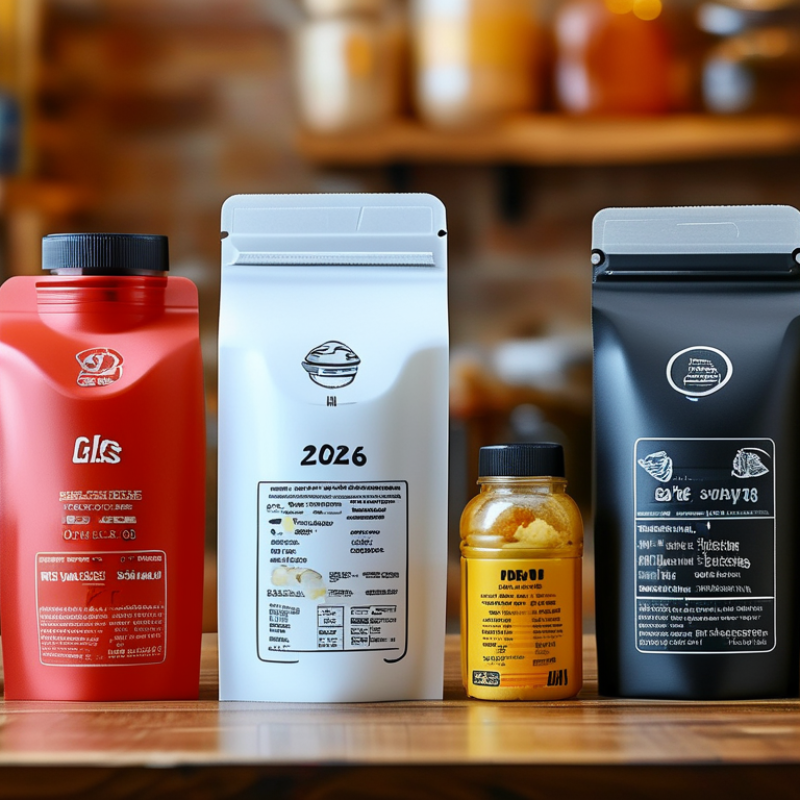
A packaging plastic pouch in 2026 is more than a soft plastic bag. It is a flexible primary package made from sealed film layers. These layers protect contents from moisture, oxygen, light, or contamination. Common formats include flat pouches, stand-up pouches, spouted pouches, retort pouches, and vacuum pouches.
Its structure defines its performance. A stand-up pouch may use a bottom gusset and zipper for shelf stability. A retort pouch needs heat-resistant layers and reliable seals. A spouted pouch adds controlled dispensing, but its fitment can complicate recycling. The pouch must also match filling speed, storage temperature, transport stress, and opening behavior. Small details matter.
Industry data supports this shift toward flexible formats. The Flexible Packaging Association valued the United States flexible packaging market at nearly 40 billion dollars in 2023. Smithers’ flexible packaging research also identifies lightweighting, barrier films, and convenience features as major growth factors. Yet convenience is not the whole definition. The OECD reports that only about 9% of global plastic waste was recycled in 2019. That figure should make designers uncomfortable.
Mono-material pouches may improve sorting potential, but they can lose barrier strength or seal reliability. I have seen packaging concepts look recyclable on paper, then fail during real filling trials. A pouch is defined by its complete system: film, seal, closure, function, recovery pathway, and verified performance.
A packaging plastic pouch is a flexible container made from one or more polymer film layers that are heat-sealed, often with a barrier layer, closure, spout, or easy-open feature. The chart compares representative midpoint thicknesses for widely used pouch formats; actual specifications vary by product, filling process, barrier requirements, and recycling design.
In 2026, plastic pouches are classified by structure, seal design, and intended use. Structure describes how the pouch is built. A flat pouch usually has three sealed edges and suits lightweight products. A stand-up pouch uses a bottom gusset, allowing it to remain upright on shelves. Flat-bottom designs offer greater stability and internal volume.
Layer construction also matters. Single-layer pouches support simple, dry products, while multilayer pouches combine strength, barrier protection, and printability. Common barrier layers help limit oxygen, moisture, light, or aroma transfer. However, more layers can make recycling technically difficult. This trade-off deserves closer attention.
Function creates another useful classification. Spouted pouches support controlled pouring for sauces, beverages, and household liquids. Vacuum pouches reduce trapped air around selected foods. Retort pouches withstand heat processing when the full material system is properly validated. Child-resistant or tamper-evident features may serve specialized safety needs, but their performance requires testing.
From practical packaging evaluations, pouch choice should begin with the product’s sensitivity and distribution conditions. A powder may need moisture resistance, while an oily product may challenge seal integrity. Product weight matters too. A thin pouch can save material, yet it may puncture during transport.
Not every “high-barrier” structure performs equally in real warehouses. Testing should include drop, seal, migration, and shelf-life checks. Small failures become expensive.
Which plastic pouch types lead the 2026 packaging market? The answer depends on product weight, shelf life, filling speed, and recycling goals.
Stand-up pouches remain strong for snacks, pet food, detergents, and liquid products. Their bottom gusset keeps shelves tidy, while a zipper supports repeated use. Lightweight packaging attracts buyers. However, a pouch that stands well may still perform poorly during rough transport. This gap deserves more attention.
Flat pouches lead in single-serve products, sample packs, sauces, and powdered goods. They use less material than gusseted formats and run efficiently on high-speed lines. Spouted pouches are expanding for products needing controlled pouring. Their closures reduce spills, but they add plastic and may complicate sorting.
High-barrier retort pouches protect heat-processed meals, although multilayer structures remain difficult to recycle. Practical performance still wins in many applications.
In 2026, recyclable mono-material PE and PP pouches are gaining attention where barrier demands allow. Packaging teams test seal strength, oxygen transmission, puncture resistance, and drop performance before approval. Factory trials often reveal hidden problems.
A pouch may pass laboratory testing yet wrinkle around a filling nozzle or leak after warehouse stacking. Better projects combine pilot runs, retailer feedback, and clear disposal instructions. Cost also matters when redesigned films require new equipment or slower production. Equipment compatibility can decide the final pouch type.
In 2026, stand-up pouches remain common for snacks, dried fruit, pet food, and household powders. Their flat base keeps products upright on shelves. A resealable zipper helps families protect contents between uses. Clear windows can show texture, color, and remaining quantity.
Flat pouches suit lightweight products and single-use portions. They appear in coffee samples, seasoning sachets, cosmetic masks, and medical-care packaging. Their compact shape saves storage space during shipping. However, they usually need an outer box or tray for stable display. This limits their usefulness in some retail settings.
Spouted pouches are widely used for sauces, yogurt, baby food, liquid soap, and concentrated cleaners. The narrow opening supports controlled pouring and reduces spills around kitchen counters. Retort pouches serve heat-processed meals, soups, and seafood products. They tolerate high-temperature treatment when properly engineered. Vacuum pouches work well for fresh meat, cheese, coffee, and other oxygen-sensitive goods. Removing air can protect texture and slow oxidation. Yet, no pouch type solves every packaging problem. A thin film may puncture near sharp products, while a strong multilayer structure can complicate recycling. Packaging teams should test seal strength, drop resistance, barrier performance, and filling-line compatibility before choosing a format. Small failures matter.
Choosing a plastic pouch starts with the product, not the package shape. Start with the product. Liquid foods may need spouted pouches, while snacks often suit stand-up or flat pouches. Powdered goods require strong seals and controlled dust management. Frozen products need films that remain flexible at low temperatures. Retort pouches demand heat-resistant structures and carefully validated sealing conditions.
Barrier performance should match the product’s sensitivity. Oxygen, moisture, light, and aroma can each shorten shelf life. A high-barrier pouch may protect coffee or oxygen-sensitive foods, but it can complicate recycling options. A simpler mono-material structure may support better recyclability where local systems accept it. Check the actual waste infrastructure. Do not rely on a general claim.
Filling equipment also affects the decision. A pouch that looks suitable in a sample may wrinkle, leak, or misalign during fast production. In packaging trials, teams should test seal strength, drop resistance, puncture resistance, and storage performance. Ask for data at realistic temperatures and filling speeds. Small details matter. Spouts, zippers, tear notches, and handles improve use, but they can increase material use and failure points. I have seen projects prioritize appearance before testing, then repeat expensive trials. That mistake is avoidable, although no selection process is perfect. Businesses should compare product protection, production reliability, user convenience, transport efficiency, and end-of-life conditions before approving a pouch type.
| Plastic Pouch Type | Typical Structure | Best-Suited Products | Key Functional Benefits | Typical Barrier Performance | Common Closure or Feature | Typical Size Range | Relative Cost | Important Selection Considerations |
|---|---|---|---|---|---|---|---|---|
| Stand-Up Pouch | Flexible multilayer film with a bottom gusset; commonly based on polyethylene, polypropylene, polyester, or barrier laminates. | Dry food, pet food, snacks, household products, personal-care products, and liquid products. | Efficient shelf presentation, good use of packaging material, lightweight format, and large printable surface. | Low to very high, depending on whether the structure includes barrier layers such as EVOH, metallized film, or aluminum foil. | ZipperTear notchHandleWindow | Approximately 100 g to 5 kg, depending on product density and filling method. | Medium | Choose the bottom-gusset design according to stability, filling volume, product weight, and retail display requirements. |
| Flat Pouch | Two or more sealed film webs forming a slim, flat package. | Single-use food portions, cosmetics, samples, sauces, condiments, and small household products. | Low material use, compact storage, efficient shipping, and convenient portion control. | Low to high; barrier depends mainly on the film combination and seal quality. | Tear notchSpoutPerforation | Approximately 5 g to 500 g. | Low to medium | Prioritize seal integrity, easy opening, and resistance to leakage or puncture during distribution. |
| Spouted Pouch | Flexible pouch fitted with a molded plastic spout and either a screw cap or another resealable closure. | Juices, sauces, baby food, liquid soap, detergents, concentrates, and refill products. | Controlled dispensing, resealability, lower package weight than many rigid formats, and convenient handling. | Medium to high; oxygen and light protection can be increased with suitable barrier films. | Screw capTamper evidenceHandle | Approximately 100 mL to 2 L. | Medium to high | Evaluate cap torque, spout sealing, leak resistance, filling-line compatibility, and child-safety needs where relevant. |
| Retort Pouch | Heat-resistant multilayer laminate engineered for thermal sterilization, often including polyester, aluminum or a high-barrier polymer layer, and sealant film. | Ready-to-eat meals, sauces, seafood, meat products, and shelf-stable foods. | Supports commercial sterilization, long ambient shelf life, low package weight, and rapid heat transfer compared with many rigid containers. | Very high when an aluminum foil or equivalent high-barrier layer is used. | Easy-open notchRounded cornersSterilization seal | Approximately 100 g to 2 kg. | High | Confirm retort temperature and time, seal strength after processing, flex-crack resistance, and food-contact compliance. |
| Vacuum Pouch | High-strength flexible film designed to remove air and maintain a close fit around the product. | Fresh meat, seafood, cheese, processed foods, and selected non-food industrial products. | Reduces air volume, helps limit oxidation, improves product visibility, and supports compact shipping. | Medium to very high, depending on oxygen transmission rate and film construction. | High-strength sealPuncture resistanceEasy-open feature | Approximately 100 g to 10 kg. | Medium to high | Match puncture resistance and shrink behavior to bones, sharp edges, moisture, vacuum equipment, and cold-chain conditions. |
| Zipper Pouch | Flat or stand-up pouch with an integrated press-to-close or slider zipper. | Snacks, nuts, dried foods, pet treats, powdered products, and personal-care items. | Resealability, improved user convenience, portion management, and protection from moisture after opening. | Low to high; the zipper improves resealability but does not automatically provide high oxygen or moisture barrier. | Press-to-close zipperSliderTear notch | Approximately 50 g to 5 kg. | Medium | Check zipper usability, powder contamination risk, seal placement, opening force, and the package’s post-opening shelf-life needs. |
| Quad-Seal or Box-Pouch | Four-corner or box-shaped flexible structure that creates a more rigid, rectangular appearance. | Premium coffee, pet food, snacks, dry ingredients, and bulk consumer products. | Improved upright stability, strong shelf presence, efficient pallet use, and multiple printable panels. | Medium to very high, depending on the laminate and closure system. | ZipperDegassing valveHandle | Approximately 250 g to 10 kg. | Medium to high | Consider filling speed, corner sealing, product density, pallet configuration, and whether the package needs a one-way valve. |
| Sachet or Stick Pack | Narrow or small flat flexible pack made from heat-sealable film, usually for a single serving or measured dose. | Powders, sweeteners, condiments, pharmaceuticals, supplements, cosmetics, and liquid samples. | Accurate portioning, low material consumption per dose, convenient distribution, and high packing-line productivity. | Low to very high, depending on moisture, oxygen, light, and product stability requirements. | Tear notchPerforationEasy-open seal | Approximately 0.5 g to 100 g. | Low per unit | Specify dosing accuracy, powder flow, seal contamination tolerance, opening force, and the required barrier against moisture or oxygen. |
| Mono-Material Polyethylene or Polypropylene Pouch | Predominantly one polymer family, such as polyethylene or polypropylene, with compatible inks, adhesives, and closures where available. | Dry foods, frozen foods, refill products, detergents, personal-care products, and selected liquids. | May simplify sorting and recycling compared with mixed-material laminates when local collection and recycling systems accept the format. | Low to medium by default; enhanced barrier grades are available but may involve additional layers or coatings. | ZipperSpoutTear notch | Approximately 50 g to 5 kg. | Medium | Verify local recycling acceptance, polymer compatibility, seal performance, required barrier, and the actual recycled-content or end-of-life claims permitted in the target market. |
Note: Size ranges, barrier levels, and relative costs are typical industry planning ranges rather than fixed specifications. Final selection should be validated through product compatibility testing, shelf-life studies, transport testing, seal testing, applicable food-contact regulations, and local end-of-life requirements.