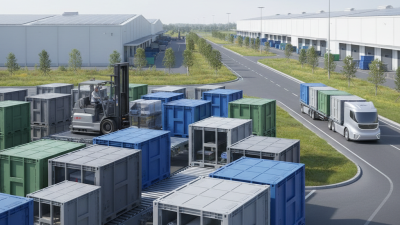
Top Plastic Shipping Containers for 2026 Are They Worth It?
The shipping industry is evolving rapidly, with plastic shipping containers becoming increasingly prevalent. According to a recent report by MarketsandMarkets, the global plastic packaging market is projected to reach $500 billion by 2026. This growth is driven by the rise of e-commerce and the need for sustainable solutions. Plastic shipping containers offer durability and lightweight advantages that traditional materials cannot match.
However, not all plastic containers are created equal. Some may compromise on recyclability and impact the environment negatively. The importance of using eco-friendly options cannot be overlooked. Businesses are questioning the trade-offs involved. Are these containers truly sustainable, or do they produce hidden costs? As companies navigate these concerns, analyzing the material's lifecycle is crucial.
Furthermore, the industry faces challenges in quality control and standardization. The inconsistency in plastic grades can impact performance and longevity. Notably, companies must weigh their options carefully. What works for one supply chain might not work for another. This aspect requires further exploration. The benefits of plastic shipping containers are clear, yet their long-term implications deserve attention.

Top Trends in Plastic Shipping Containers for 2026 and Beyond
The plastic shipping container industry is evolving rapidly. Studies show that the global market for plastic shipping containers is projected to reach $18 billion by 2026. This growth is driven by the rising demand for sustainable packaging solutions. Businesses are seeking alternatives to traditional packaging that reduce environmental impact.
One significant trend is the shift towards recyclable materials. A report from the Packaging Institute highlighted that nearly 70% of consumers prefer products with recyclable packaging. This consumer preference is pushing companies to invest in eco-friendly designs. Lightweight containers are also gaining traction, as they cut shipping costs and emissions.
However, not all innovations come without challenges. The transition to biodegradable options often raises questions about durability and cost. Some containers may not perform as well under certain conditions. This necessitates careful consideration before widespread adoption. The industry must reflect on balancing sustainability with functionality to meet future demands.
Top Plastic Shipping Containers for 2026 Are They Worth It? - Top Trends in Plastic Shipping Containers for 2026 and Beyond
| Container Type |
Dimensions (L x W x H) |
Capacity (liters) |
Weight (kg) |
Material Type |
Recyclable |
Estimated Cost (USD) |
| Stackable Bin |
60 x 40 x 30 cm |
80 |
3.5 |
HDPE |
Yes |
15 |
| Pallet Container |
120 x 100 x 100 cm |
1000 |
25 |
PP |
Yes |
120 |
| Tote Box |
50 x 40 x 30 cm |
70 |
2.5 |
LDPE |
Yes |
10 |
| IBCs (Intermediate Bulk Container) |
120 x 100 x 120 cm |
1000 |
50 |
HDPE |
Yes |
300 |
| Drum |
60 L |
60 |
5 |
PP |
Yes |
50 |
Key Benefits of Using Plastic Containers versus Traditional Materials
Plastic shipping containers are gaining popularity over traditional materials like wood and metal. A report by the Plastics Industry Association revealed that the global market for plastic containers will exceed $300 billion by 2026. This surge stems from various advantages that plastic offers.
One key benefit is weight. Plastic containers are significantly lighter than their wooden or metal counterparts. This reduces transportation costs by up to 30%, making operations more efficient. Additionally, many plastic containers are stackable, maximizing storage space. This is crucial for businesses looking to optimize their logistics.
Durability is another important factor. Plastic is resistant to moisture, chemicals, and UV rays. According to a study by the American Society for Testing and Materials, plastic containers can last up to five times longer than wooden ones in harsh environments. However, some may argue that they lack the aesthetic appeal of traditional materials. This perception can be a hurdle for certain industries. Embracing plastic may require a mindset shift, yet the long-term financial benefits often outweigh initial hesitations.
Top Plastic Shipping Containers for 2026: Are They Worth It?
This chart showcases the key benefits of using plastic shipping containers compared to traditional materials, with a focus on their cost efficiency, durability, lightweight nature, recyclability, and customizability.
Market Growth Projections for Plastic Shipping Containers by 2026
The market for plastic shipping containers is growing rapidly. By 2026, it's projected to expand significantly. With rising demand in various industries, such as food, automotive, and pharmaceuticals, these containers are becoming essential.
Their lightweight nature makes them a preferred choice. Companies are drawn to their durability and flexible designs.
When considering plastic containers, here are some tips. Evaluate their size and shape based on your shipping needs. Not all containers fit every item, and a poor fit can lead to damage. Also, think about the recycling potential of these containers. Environmental concerns are key in today's market. Look for options that prioritize sustainability.
It's also important to reflect on potential downsides. Some plastic containers may not withstand extreme conditions. Their lifespan can vary widely. A cheaper container might seem like a bargain, but it could fail during transport. Assess your priorities carefully. Balancing cost and quality is crucial in choosing the right shipping solution.
Environmental Impact Assessment of Plastic Shipping Containers
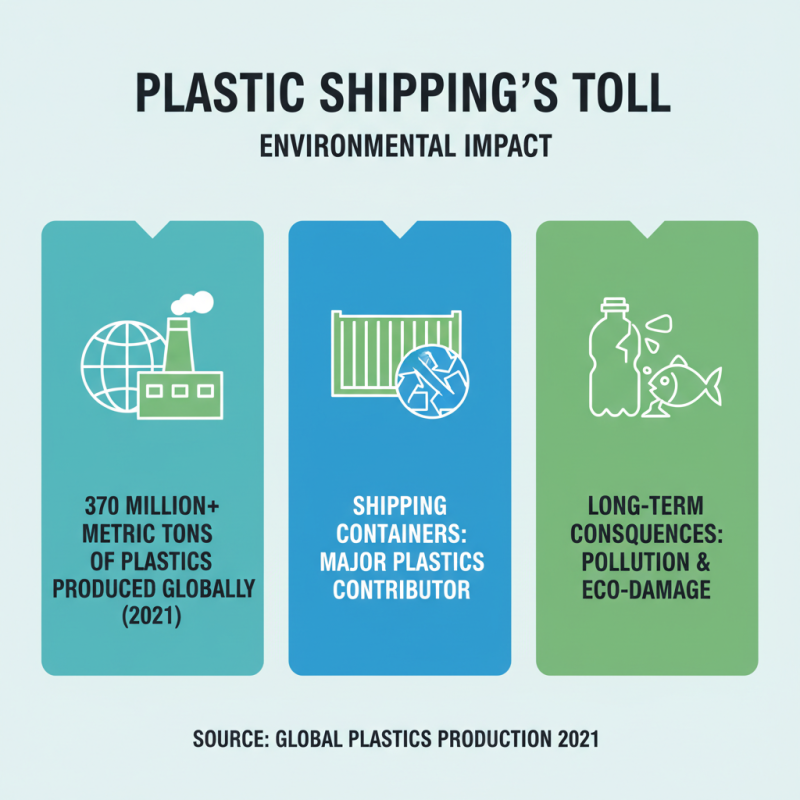
The environmental impact of plastic shipping containers is a pressing concern. In 2021, the global production of plastics reached over 370 million metric tons, with shipping containers contributing significantly to this figure. While plastic containers are lighter and sturdier than alternatives, their long term consequences are alarming.
Every year, millions of containers end up in landfills and oceans, impacting wildlife. A 2022 report highlighted that around 8 million tons of plastic enter oceans annually. This raises serious questions about sustainability. Many assume plastic is recyclable, but statistics show less than 10% actually gets processed effectively. The rest often lingers in ecosystems, breaking down into microplastics.
Additionally, the manufacturing process of plastic containers emits greenhouse gases. Industry estimates suggest that plastic production accounts for 3.8% of global CO2 emissions. This emission is projected to increase as demand grows. The reliance on plastic packaging presents challenges that demand urgent reassessment. More sustainable methods could mitigate impact but require collective effort and innovation.
Cost Analysis: Are Plastic Shipping Containers Economical for Businesses?
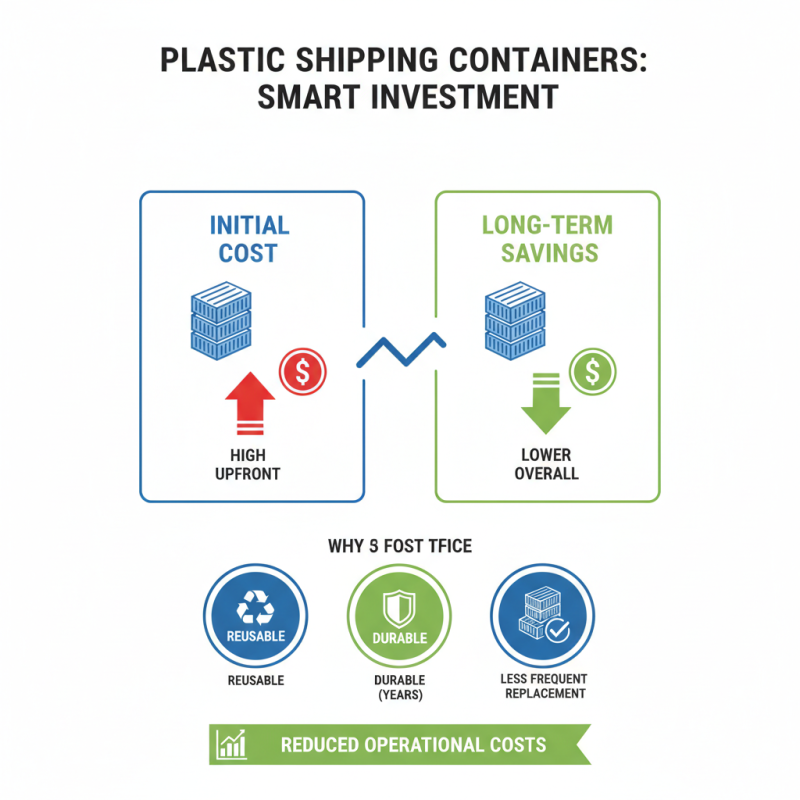
As plastic shipping containers gain popularity, businesses must evaluate their cost-effectiveness. The initial investment in these containers can seem high. However, they offer significant long-term savings. These containers are reusable and durable. Their lifespan often exceeds several years. This reduces the need for frequent replacements. For many companies, this means lower overall costs.
When analyzing costs, consider storage and transport benefits. Plastic containers stack well, maximizing space utilization. This can reduce shipping costs and save on storage fees. Additionally, they are lightweight, which lowers shipping expenses. However, businesses should also factor in the potential for damage. Not all containers hold up equally well over time. That can lead to unplanned expenses.
Despite the advantages, the upfront costs can be daunting. Some businesses may struggle to make the switch. It’s crucial to assess your specific needs. Evaluate how often you ship and store products. This will help determine if the investment is sound. Reflecting on these variables can lead to informed decisions that balance cost with practicality.