Top 10 Tips for Choosing the Best Take Out Boxes?
Choosing the right take out boxes is essential for any food business. The packaging impacts both food quality and customer satisfaction. Proper boxes can keep food hot, fresh, and well-presented. Poor choices can lead to spills, soggy meals, or unappealing visuals.
When selecting take out boxes, consider material, size, and design. Materials range from eco-friendly options to sturdy plastics. Size matters, as it affects portion control and customer expectations. Aesthetics also play a role in branding. Customers often associate quality packaging with quality food.
Many businesses overlook these details. They often choose boxes based solely on cost. However, investing in good take out boxes pays off. Happy customers are likely to return and recommend your service. It's crucial to prioritize quality and functionality, not just the bottom line.
Understanding Different Types of Take Out Boxes Available in the Market
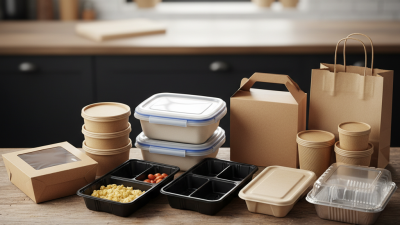
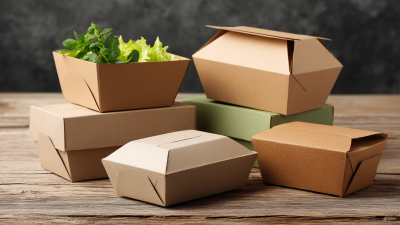
When selecting take-out boxes, it’s crucial to understand the different types available in the market. Various materials and designs cater to diverse food items. For instance, paper boxes are lightweight and biodegradable, making them an eco-friendly choice. They’re ideal for dry foods, such as sandwiches or pastries. On the other hand, plastic containers are versatile and offer excellent sealing properties. They work well for dishes with sauces, ensuring the food stays fresh.
Styrofoam boxes provide great insulation, perfect for hot items like soups and stews. However, they are not environmentally friendly and may contribute to waste. Each box type has its benefits and drawbacks. Choices must be made based on food types and sustainability.
Moreover, some boxes come with separate compartments. These are useful for meals with multiple components, like rice and curry. However, they can be bulkier and less appealing. Understanding these nuances is essential when making a decision. Each type carries implications for food safety and customer perception. It's vital to reflect on these aspects to make the best choice.
Top 10 Tips for Choosing the Best Take Out Boxes
| Tip # |
Tip |
Material |
Best For |
Eco-Friendly |
| 1 |
Consider the type of food |
Plastic |
Soups and Saucy Dishes |
No |
| 2 |
Check for leakproof options |
Foil |
Greasy Foods |
No |
| 3 |
Choose insulated materials |
Styrofoam |
Hot Foods |
No |
| 4 |
Look for stackable designs |
Cardboard |
Flexible Storage |
Yes |
| 5 |
Select appropriate sizes |
Plastic or Cardboard |
Various Foods |
Yes (Cardboard) |
| 6 |
Ensure affordable pricing |
All Types |
Cost-conscious Choices |
Varies |
| 7 |
Consider customization options |
Cardboard |
Branding Needs |
Yes |
| 8 |
Find boxes with secure lids |
Plastic |
Transporting Dishes |
No |
| 9 |
Look for microwave-safe options |
Plastic |
Easy Reheating |
No |
| 10 |
Evaluate user reviews |
All Types |
Overall Satisfaction |
Varies |
Evaluating the Material: Choosing Between Paper, Plastic, and Biodegradable Options
When it comes to take-out boxes, the material you choose plays a crucial role.
Paper, plastic, and biodegradable options each have distinct characteristics. Paper boxes are often favored for their eco-friendliness. They are lightweight and can easily be customized for branding needs. However, they may not hold up well with moist foods. If you're serving soups or sauces, paper might not be the best option.
Plastic containers are durable and reusable. They provide excellent insulation for hot foods. However, they can contribute to environmental issues if not recycled properly. Balance is key. Consider your target audience. Many consumers prefer sustainable options. The rising demand for biodegradable materials is changing the landscape.
Evaluating your specific use case can help clarify your choice. Ensure the material aligns with your brand values. This will resonate with your customers. Reflect on customer needs. Are they looking for convenience or sustainability? Striking the right balance is essential for a successful take-out experience.
Assessing Size and Capacity for Various Types of Food Items
Choosing the right takeout box involves careful assessment of size and capacity, especially for various types of food items. The volume of food dictates the box's dimensions. According to industry reports, the average takeout meal ranges from 800 to 1200 grams. It is essential to match the box size to this amount. For instance, a standard portion of pasta may require a different box than a serving of salad. Failing to consider this can lead to spills or inadequate servings.
Additionally, the type of food influences the necessary capacity. Saucy foods require sealed containers to prevent leakage. Research indicates that 65% of consumers prefer leak-proof packaging. Similarly, larger items, such as pizzas or family-sized meals, often demand bigger boxes with sturdy construction. If the container is too small, it compromises food quality. Therefore, assess the food type carefully. A thoughtful choice ensures that customers receive their meals fresh and intact.
Materials also play a role in functionality. Cardboard and biodegradable options are popular for their sustainability. However, they may not always provide the durability required for heavier meals. Reports show that 72% of dining experiences hinge on packaging quality. Therefore, reflect on the container you choose. It impacts the overall dining experience, influencing return customers.
Considering Design Features That Enhance Food Safety and Freshness
When selecting take-out boxes, design features matter greatly. Proper ventilation can prevent sogginess. Look for containers with vents that allow steam to escape. This keeps crispy foods, like fries or fried chicken, fresh and enjoyable.
Materials also play a role in food safety. Choose boxes made from BPA-free plastics or recyclable materials. These options are safer for your food. They help preserve taste and temperature. Ensure your containers have a secure lid. A tight seal maintains freshness during transport.
Lastly, consider the box's size and shape. Appropriately sized containers reduce movement, minimizing spills. Look for sections or compartments for mixed dishes. This helps keep flavors distinct. Always check for user reviews on different designs. Not every box is created equal, so a little research can go a long way in finding the best option for your meal.
Budgeting for Quality: How to Choose Cost-Effective Take Out Solutions
When budgeting for take-out boxes, quality is essential. A recent report from the Food Packaging Institute shows that 72% of consumers consider the packaging quality as important. High-quality boxes can keep food fresher and enhance customer satisfaction. While it’s tempting to pick cheaper options, investing in reliable materials pays off in the long run.
Consider the materials used in your take-out boxes. Eco-friendly options are growing in popularity. In 2022, 40% of consumers were willing to pay more for sustainable packaging. This shift can help your brand appeal to environmentally-conscious customers. However, balance is crucial. Analyze costs and ensure that your chosen solution doesn’t exceed your budget.
Don't overlook the importance of box design. A well-designed box prevents spills and maintains food temperature. It can also serve as a branding tool. If the design fails, it can lead to messy experiences for customers. Prioritize functionality alongside aesthetics to avoid potential customer dissatisfaction.
Top 10 Tips for Choosing the Best Take Out Boxes