Why Choose Plastic Jars for Packaging?
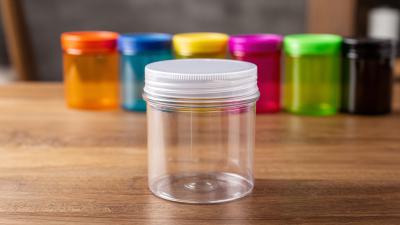
Packaging affects how a product is stored, handled, and presented on a shelf. A plastic jar can offer a practical balance of durability, manageable weight, and design flexibility. Its wide opening may make filling and everyday use easier, while a secure lid helps protect contents during storage. Clear walls can show color and texture; opaque options can limit light exposure when needed. Small details matter. The neck, seal, and wall thickness all influence how well a container performs in real use.
Plastic jars also suit many product types, from dry goods to personal-care items, but no container works equally well for every formula. Material choice should match the contents, expected storage conditions, filling process, and intended use. A packaging specialist can help assess these factors and recommend appropriate testing. That step is worth taking. A jar that looks sturdy may still be unsuitable for a particular product or closure.
Plastic is not a perfect answer. It can raise concerns about waste, and recyclability depends on the material, local collection systems, and container design. A thoughtful choice considers the full package, including its lid, labels, and end-of-life options. The right plastic jar is not simply attractive or inexpensive; it should protect the product, work reliably for customers, and fit a responsible packaging plan.
What Plastic Jars Are and How They Are Made
Plastic jars are containers formed from thermoplastic resins, which soften when heated and harden as they cool. Common materials include PET, HDPE, and polypropylene. Each behaves differently: PET can offer a clear view of the contents, while HDPE is often opaque and more flexible. The right choice depends on the product, filling conditions, and desired appearance.
The details matter. A jar that looks suitable may still need compatibility testing.
Manufacturing often begins with small resin pellets. They may be dried, then fed into a heated machine until they melt. In injection molding, the molten plastic is pushed into a shaped mold and cooled into a jar. Blow molding can be used for some designs, where air expands softened plastic against a mold. The method depends on the jar’s shape, opening, and production needs.
After molding, workers or automated systems check details such as wall thickness, surface defects, and how the cap fits. A poor seal can make a useful-looking package unreliable. Colorants and recycled resin may also be added, but their use can affect appearance or performance. The process sounds tidy on paper; production can involve setup scrap and rejected parts, too.
That trade-off deserves attention, not just the finished jar’s appearance.
How Plastic Jars Protect and Preserve Products
Plastic jars protect products by creating a sturdy barrier against dust, handling, and everyday splashes. Their walls can reduce exposure during storage and transport, while a properly fitted lid helps limit air and moisture exchange. The fit matters. A loose closure may compromise protection, even when the jar looks intact. Wide openings make filling and inspection easier for products such as creams, powders, dry foods, and small components. Clear plastic lets staff check color or texture at a glance. Light-sensitive contents may need an opaque jar instead.
Protection also depends on the plastic type, wall thickness, and closure design. A jar that works well for a dry powder may not suit an oily formula. Compatibility testing can help identify changes such as softening, staining, or odor transfer. Test the filled jar with its intended lid, not just the empty container. That detail is easy to miss. Packaging trials should also include handling and shipping conditions, since drops or temperature shifts can reveal weak points. No jar solves every problem, and selecting one by appearance alone deserves a second look.
Key Benefits of Plastic Jars Across Industries
Plastic jars offer practical benefits across industries because they are lightweight, impact-resistant, and easy to handle. Their clear walls let customers see creams, powders, grains, or small household items before opening the container. Wide openings also make filling and scooping simpler. That matters. For busy production teams, jars can move efficiently through filling, labeling, and packing lines. They are available in different shapes and sizes, helping businesses match container capacity to product use.
In food, personal care, household, and craft applications, plastic jars can protect contents from dust and routine handling. Secure closures help reduce spills during storage or transport, though performance depends on the lid and product. A jar suited to dry goods may not work well for an oily formula. Not always. Testing the material with the actual contents is a useful step, especially when products face heat, light, or long storage periods. Plastic is not automatically the most sustainable choice; local recycling access and packaging design both matter.
Tips: Check product compatibility before choosing a jar. Test the closure after filling, and leave enough headspace for easy use. Compare the empty jar’s weight and recyclability with your shipping and disposal needs. A small trial run can reveal awkward lids or labels before a larger order.
Common Materials, Shapes, and Closure Options
Plastic jars are commonly made from PET, HDPE, or PP, and each material suits different needs. PET is clear and lightweight, making it easy to show a product’s color and fill level. HDPE is usually opaque and sturdy, which can help protect contents from light. PP may suit applications that need more heat tolerance, but performance depends on the container design. Check compatibility with the actual product; material names alone do not guarantee a good fit.
Shape changes how a jar feels and works. Round jars are easy to label and pour from, while square jars can use shelf space efficiently. Wide-mouth designs make scooping thicker contents simpler. Yet corners can leave product behind, an easy detail to overlook. For closures, common options include screw caps, flip-top lids, and caps with liners or tamper-evident bands. The closure should match the jar’s neck finish and sealing needs. Test the assembled package for leaks and ease of opening.
Tips: Match the opening to how people use the contents. Check that the cap stays secure during handling, and test any liner with the product. Small details matter. Clear jars also show scratches and residue, so appearance may need a second look.
Typical density of common packaging plastics
Density can help distinguish resins: polypropylene (PP) and high-density polyethylene (HDPE) are less dense than water, while polyethylene terephthalate (PET), polystyrene (PS), and polyvinyl chloride (PVC) are denser. Jar shape and closure style depend on the product and package design, rather than resin density alone. Values are typical approximate densities in g/cm³.
How to Choose the Right Plastic Jar for a Product
Choosing the right plastic jar starts with the product, not the shelf. A dry powder may need a wide opening for easy scooping, while a thick cream often works better in a shallow jar. Check the product’s texture, fill temperature, and sensitivity to light or moisture. A clear jar shows color and remaining quantity, but an opaque option can offer better light protection. Looks can mislead. A rigid wall may feel premium yet add cost and shipping weight without improving the user experience.
Match the closure and neck finish to how customers will use the product. A liner can help limit leaks or moisture entry, but it must suit the formula and sealing process. Test the actual product in the jar, not just water: some ingredients can affect plastic over time. Store samples under realistic conditions, then check for odor changes, discoloration, softening, or leakage. Not always. A jar that passes a quick hand test may still fail after repeated opening. Confirm that filling equipment can handle the opening and that the lid closes consistently. Test before scaling. Small trials may reveal an awkward grip or a label that wrinkles around the jar’s curve.