Why Choose the Right Deodorant Container?
Choosing the right Deodorant Container is a practical decision, not merely a branding exercise. It protects the formula, supports clean application, and influences how customers judge product quality. A well-fitted cap prevents leaks inside a gym bag. A smooth twist mechanism helps users apply solid deodorant without unnecessary pressure. The container should also match the formula’s texture, fragrance, and stability requirements. Certain plastics may react poorly with oils or active ingredients. Therefore, packaging teams should review material compatibility before approving a design.
In professional packaging evaluations, reliable decisions come from testing, not assumptions. Teams can examine leakage, drop resistance, closure performance, label adhesion, and temperature changes. They should also confirm that the package meets applicable safety and environmental requirements in its target market. A lightweight design may reduce shipping impact, but it must still feel durable in the hand. Recyclable materials can support sustainability, although local recycling systems may not accept every component. That detail is often overlooked.
No container is perfect.
A strong choice balances protection, usability, appearance, cost, and responsible material use. It should be convenient in a bathroom, secure in luggage, and consistent during manufacturing. Customer feedback can reveal problems that laboratory testing misses, such as a cap that feels difficult for older users. The best evaluation remains open to revision. Even an attractive package may fail if it wastes product or creates messy application. By examining real handling conditions and verified technical evidence, brands can choose a Deodorant Container that supports trust from the first use onward.
What Is a Deodorant Container?
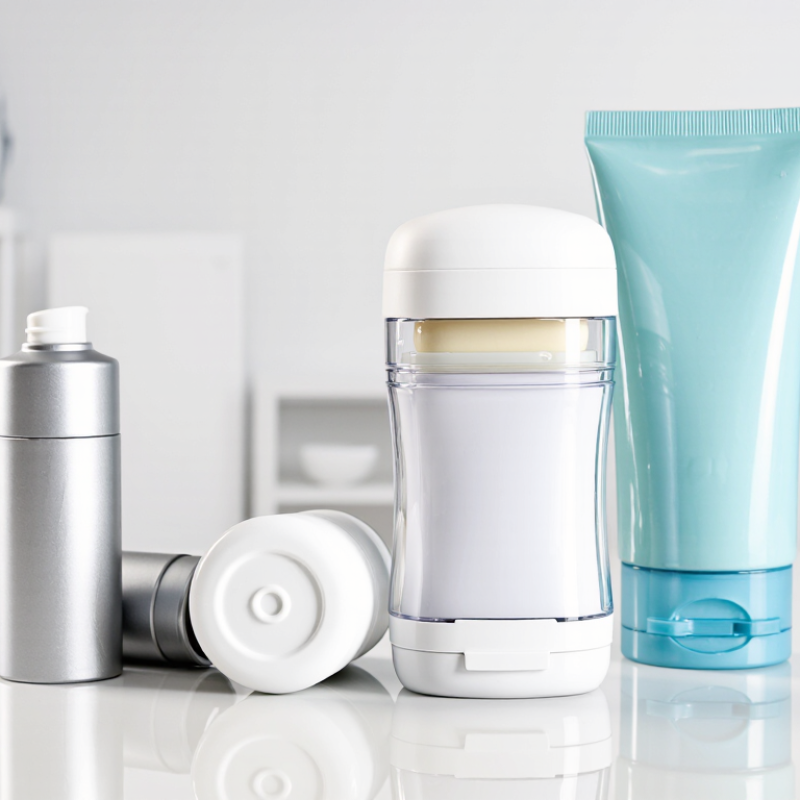
A deodorant container is the package that holds, protects, and dispenses a deodorant formula. It may be a solid-stick tube, roll-on bottle, pump container, or pressurized can. The container is not decoration. It controls dosage, limits contact with air, and keeps the product usable in a gym bag or bathroom cabinet. A well-designed closure should open cleanly and prevent leaks. Small details matter.
According to Grand View Research, the global deodorants market was valued at about USD 27.7 billion in 2022. That scale makes container performance a serious engineering issue, not a minor design choice. Materials must resist oils, alcohol, moisture, and repeated handling. Shape also affects grip and application. In practical package checks, I would test a container after drops, heat exposure, and hundreds of opening cycles. A container can look premium and still fail at its thread or twist mechanism.
Sustainability adds another layer. UNEP’s 2023 Turning off the Tap report says plastic pollution could be reduced by 80% by 2040 through reuse, recycling, and redesign. This supports lighter structures, fewer mixed materials, and components that separate easily. However, “recyclable” does not guarantee local recycling access. That is where packaging claims need restraint. The best container balances protection, dispensing accuracy, user comfort, and realistic end-of-life options. It is an imperfect balance, and many packages still need rethinking.
How Deodorant Container Design Affects Product Performance
Why Choose the Right Deodorant Container?
How Deodorant Container Design Affects Product Performance
A deodorant container is part of the formula’s performance system. Its walls must protect the product from heat, moisture, light, and oxygen. A weak closure can cause leakage or fragrance loss. A poor stick mechanism may create uneven dosage. Small parts matter. Consumers notice these failures quickly, especially when the cap loosens inside a bag.
Material compatibility also affects product stability. Some formulas soften plastic components, while others increase friction in pumps or twist-up systems. Practical testing should include temperature cycling, drop resistance, closure torque, and repeated dispensing. ASTM D4169 offers a useful framework for distribution testing. In real use, however, laboratory results can miss awkward grip, slippery hands, or a cap that is difficult to open. Fit changes everything.
Sustainability adds another design pressure. NielsenIQ’s 2023 Sustainability Outlook reported that 78% of consumers consider environmental sustainability important. Smithers’ 2024 market report projects the sustainable packaging market will grow from about 270 billion dollars in 2023 to nearly 393 billion dollars by 2028. Lightweighting can reduce material use, but a thinner container is not automatically better. It may crack, deform, or protect the formula poorly. Recyclability also depends on components being easy to separate. That detail is often overlooked. A strong design balances protection, usability, manufacturing quality, and realistic end-of-life handling.
How to Choose a Container for Different Deodorant Formulas
Why Choose the Right Deodorant Container?
How to Choose a Container for Different Deodorant Formulas
A deodorant container should match the formula’s texture, movement, and daily use. Solid sticks need a firm tube with a smooth twist mechanism. The base must rise evenly without cracking the product. A loose cap can collect residue and create an unpleasant mess. Test it early.
Roll-on formulas need a stable bottle, a well-fitted ball, and a leak-resistant closure. Thin liquids may escape through small gaps during transport. Thicker formulas can leave the ball stuck after repeated use. I have found that a simple rotation test reveals problems quickly. Turn the container upside down, shake it gently, and check the neck after several hours.
Cream deodorants often work better with a wide opening, pump, or airless system. A narrow opening may force users to scrape the product from the container. That choice can fail. Air exposure may also change the scent, color, or texture over time. For alcohol-based sprays, the valve and seal deserve extra attention. Poor sealing can cause evaporation and uneven spraying. For formulas containing oils, check material compatibility through heat, cold, and storage tests. Packaging that looks attractive may still soften, stain, or lose its shape. A small pilot batch can expose these flaws before larger production. I still reconsider container choices after real users handle them, because laboratory results do not show every awkward squeeze, twist, or spill.
Why Choose the Right Deodorant Container?
How to Choose a Container for Different Deodorant Formulas
The most suitable container depends on the deodorant’s viscosity, flow behavior, filling process, and dispensing requirements. Solid and cream formulas generally perform well in twist-up sticks or jars, while liquid formulas are better suited to rollerballs, pumps, or aerosol containers.
Suitability scale: 1 = limited suitability, 5 = strong suitability. These are comparative formulation and packaging guidelines, not laboratory test results.
Why Sustainability Matters in Deodorant Container Selection
Why Choose the Right Deodorant Container?
Why Sustainability Matters in Deodorant Container Selection
A deodorant container affects more than appearance. It influences material use, product protection, transport weight, and disposal. A practical assessment should examine the entire packaging life cycle. This includes manufacturing, filling, shipping, use, and end-of-life handling. Lightweight materials can reduce transport emissions, but they may become difficult to recycle. Refillable designs can lower waste, yet only when users actually reuse them. Convenience matters too.
Material compatibility requires professional testing. Oils, waxes, fragrances, and active ingredients may react with unsuitable plastics or coatings. A reliable supplier should provide material specifications, recycled-content details, and recycling guidance. Clear labeling helps consumers make better disposal choices. Local recycling systems differ. A container accepted in one area may be rejected elsewhere. This limitation deserves more attention.
Tips: Choose the simplest suitable design. Ask for verified material data. Check whether parts separate easily. Test the container with the real formula. Avoid decorative layers that complicate recycling. Consider refill systems only when replacement units are practical and affordable. Small changes matter. However, no package is perfect. A recyclable container still creates waste, and a refillable system may require extra transport. Sustainable selection means comparing real impacts, not following attractive claims.