What Are the Best Plastic Gallon Containers in 2026?

Choosing the best plastic gallon containers in 2026 depends on what you plan to store, how often you’ll use them, and where they’ll sit. A jug for drinking water has different needs from one used for pantry ingredients, cleaning supplies, or workshop liquids. The right choice should feel sturdy in your hands, pour without awkward splashing, and close securely after repeated use. Small details matter.

Start by checking the container’s material, capacity, handle shape, and cap design. Clear walls make contents easy to identify, while opaque plastic can help limit light exposure. A broad opening is convenient for filling and cleaning; a narrow neck may pour more neatly. Check the manufacturer’s stated temperature limits and intended use, especially before storing food or placing a container near heat. A gallon label alone does not tell you whether a container suits every liquid. Not every jug fits.

This guide compares practical features rather than assuming one design works for everyone. We’ll consider durability, ease of handling, leak resistance, storage space, and value, while noting where trade-offs appear. A lightweight container may be easier to carry but less rigid when full. A thick wall can feel reassuring, though it may add weight and cost. I’d still inspect the cap and seams before relying on any container for transport. Those parts can be overlooked. The goal is a clear, useful shortlist to help you match a container to your real routine—not just its label.
What Are the Best Plastic Gallon Containers in 2026?

What Defines a Plastic Gallon Container?

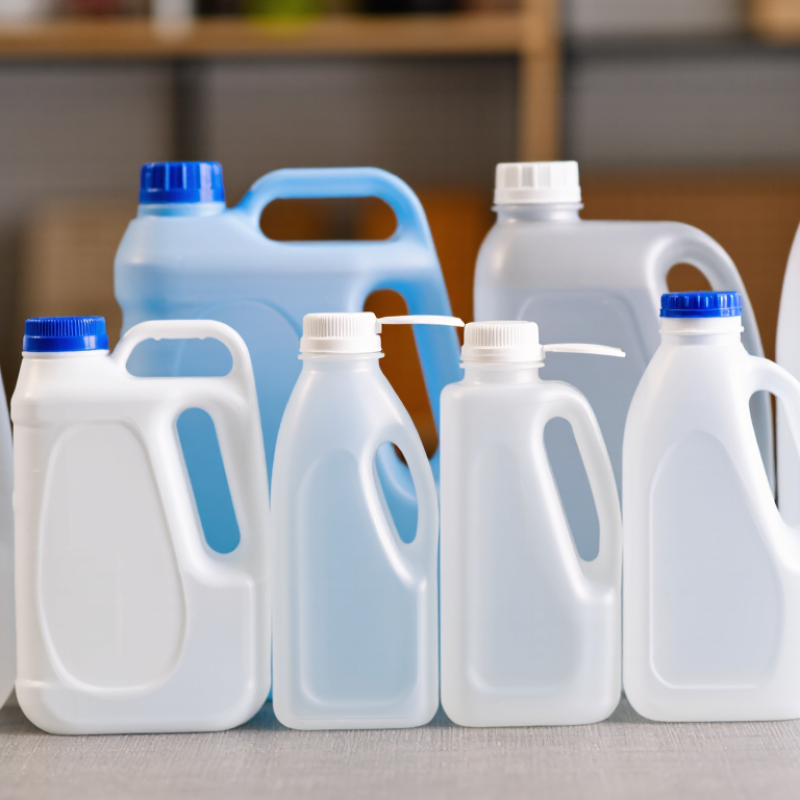
A plastic gallon container is a rigid or semi-rigid vessel designed to hold about one gallon of liquid. In the United States, that means roughly 3.785 liters; an imperial gallon is larger, at about 4.546 liters. So the label alone can be ambiguous. Check the stated volume, not just the shape. A typical container has a molded body, a neck or opening, and a closure. Some include a handle for carrying a full load. The walls may flex slightly, but the container should remain stable during ordinary storage and pouring.

Material and design depend on the intended contents. High-density polyethylene is common in everyday liquid containers because it is lightweight and impact-resistant. Food-contact suitability, however, cannot be assumed from appearance; product specifications matter.

UNEP’s 2023 report, Turning off the Tap, estimates that packaging accounts for about 36% of global plastics production. That scale makes material efficiency and recyclability relevant design questions, not just marketing details.

A useful definition still has a fuzzy edge: “gallon” describes capacity, while shape, resin, and closure vary widely. Not always obvious. For careful comparison, look for a clear volume statement, compatible cap, sturdy handle, and recycling information.

Which Materials and Designs Are Available in 2026?

In 2026, gallon containers commonly use HDPE, PET, or, less often, polypropylene. HDPE is opaque, tough, and practical for molded handles and stacked storage. PET offers a clear view of contents, but scratches show easily. Polypropylene is more common in caps than full-size bottle bodies. Designs also vary: narrow-neck jugs pour neatly, while wide-mouth versions are easier to fill and clean. There is no perfect format; a comfortable handle can still make a full gallon feel awkward.

Material recovery deserves attention, not just appearance. PlasticsEurope’s Plastics—The Fast Facts 2024 estimated that post-consumer recycled plastics made up 8.7% of global plastic production in 2023. That figure covers all plastics, not gallon containers specifically. The Association of Plastic Recyclers’ Design Guide advises designing packaging for compatibility with established recycling systems, including suitable labels and closures. In practice, a container’s resin, color, sleeve, and cap can affect sorting. Small details matter.

Tips: Check the resin code, cap fit, and pouring angle before choosing. A smooth, lightly colored body is often easier to inspect. Keep it simple. Recycled-content options may vary by use and supplier, so confirm food-contact suitability where relevant. A handle that looks sturdy on an empty jug may flex when filled; test it with water before buying.

What Are the Best Plastic Gallon Containers in 2026? – Which Materials and Designs Are Available in 2026?

Material Typical appearance Strengths Considerations Common gallon-container designs and uses Resin identification code
HDPE (high-density polyethylene) Usually opaque or translucent; commonly natural, white, or colored. Tough, relatively lightweight, and resistant to many aqueous solutions and household chemicals. Suitable for many blow-molded containers. Not transparent like PET. Compatibility depends on the specific contents, concentration, temperature, and storage conditions. Rigid handled jugs, narrow-neck bottles, and wider-mouth containers; commonly used for products such as water, cleaning solutions, and some agricultural liquids when compatibility is confirmed. #2
PET (polyethylene terephthalate) Often clear and glossy; may also be tinted. Offers good clarity and a useful barrier to gases and moisture for many packaged products. Its rigidity can support a clean, display-friendly shape. Chemical and temperature suitability must be checked for the intended contents. Not every PET container is designed for hot filling or repeated reuse. Clear, rigid handled jugs or bottles with screw caps; useful when product visibility matters, including some beverage and food applications designed for PET. #1
PP (polypropylene) Usually opaque or translucent; can be molded in a range of colors. Generally offers better heat resistance than common PE packaging grades and good resistance to many chemicals. Can be molded into rigid shapes. Gallon-size liquid jugs are less common than HDPE designs. Performance depends on the exact resin grade and container construction. Rigid wide-mouth jars, pails, or specialty containers with screw or snap closures; selected where the product or filling process calls for PP’s properties. #5
LDPE (low-density polyethylene) Often translucent or opaque; typically more flexible than HDPE. Flexible and resistant to impact and moisture. Can work well for squeezable or semi-flexible packaging. Less rigid than HDPE, so a large filled container may need extra support or a different shape to remain easy to handle. Flexible bottles and jugs with screw caps or dispensing closures; suitable for selected products where controlled squeezing or flexibility is useful. #4
Fluorinated HDPE Usually resembles the underlying HDPE container; the treatment is not generally a visible design feature. Surface fluorination can reduce permeation for certain contents compared with untreated HDPE. It is a treatment applied to a container, not a separate base resin. Suitability and recycling implications depend on the treatment and local systems; verify with the supplier and recycler. Specialty rigid jugs or bottles for contents where permeation control is important, subject to product-specific testing and regulatory requirements. Typically HDPE, #2; confirm container labeling and local recycling guidance.
Design and selection note: A US gallon is approximately 3.785 liters. Available designs include handled or handle-free bodies, narrow or wide mouths, screw caps, dispensing closures, and tamper-evident closures. The best choice depends on the contents, filling and storage conditions, required visibility, dispensing method, and applicable food-contact or chemical-compatibility requirements. Resin codes identify the plastic type; they do not guarantee that a container is accepted for recycling locally.

How Do the Main Container Types Compare?

HDPE is the familiar choice for one-gallon milk and detergent jugs. Its tough, flexible walls tolerate bumps and resist many household chemicals. The opaque body also shields light-sensitive contents, though it hides the fill level. PET offers a clearer view and a stiffer feel, useful when appearance and product visibility matter. It can be more vulnerable to impact in some designs. Shape and wall thickness matter, too.

Polypropylene can suit warmer filling conditions, but its safe temperature depends on the resin grade and container design. It is less common for everyday gallon jugs. No perfect pick. NAPCOR’s 2023 industry report estimates the U.S. PET bottle recycling rate at about 33%. That figure covers PET bottles broadly—not every gallon container or local recycling program. Check the resin code and your local collection rules before choosing. A practical detail: handle strength, cap fit, and how easily a jug pours can matter as much as the plastic itself. Those details are easy to overlook.

What Are the Best Plastic Gallon Containers in 2026?

How Do the Main Container Materials Compare?

HDPE, PET, and PP have different typical density and melting-point ranges. Values shown are approximate midpoints of commonly reported ranges; actual properties vary by grade and container design. Melting point is a material property, not a recommended filling temperature.

Which Gallon Container Best Fits Each Use?

What Are the Best Plastic Gallon Containers in 2026?

Which Gallon Container Best Fits Each Use?

The right gallon container depends on what you store and how often you handle it. For water or other everyday liquids, choose a sturdy body, a secure cap, and a comfortable handle. A gallon of water weighs about 8.3 pounds, so a thin handle can become uncomfortable quickly. Check the usable fill line, too; nominal capacity does not always mean you can fill it to the brim. Small detail. Big difference.

For dry goods such as grains or cleaning cloths, a wide opening makes scooping and access easier. A flat-sided shape may also sit neatly on a pantry shelf. For liquids, a narrower neck can help control pouring, while a reliable seal reduces drips during storage. HDPE is common in many containers, but compatibility varies by contents. Confirm the container is rated for the intended use, especially for food or products that may react with plastic. Never assume one container suits every liquid.

For garages, workshops, or outdoor storage, consider an opaque, UV-resistant container and a closure that stays secure during routine handling. If the container will face heat, check its temperature rating before filling it. I may be overthinking the cap, but a poor fit can make a good container frustrating. Look for clear material details, capacity information, and care instructions, then match those features to your actual routine. A gallon container should be easy to lift, fill, and clean—not merely inexpensive.

What Safety and Care Factors Should Buyers Consider?

A gallon container can look sturdy and still be unsuitable for its contents. Check the label for intended use, material information, and temperature limits before buying. For drinking water or other food, choose a container explicitly made for food contact. A recycling code alone does not confirm that purpose. Check the cap, too: a clean, intact seal helps prevent leaks and contamination.

Small details matter. Look for cracks around the handle, cloudy stress marks, rough seams, or a persistent chemical smell. Pass on damaged containers. Wash new ones according to the maker’s instructions, then let them dry fully with the cap off. Do not assume every plastic container is dishwasher-safe or suitable for hot liquids. Heat can deform some plastics, while sunlight may weaken them over time. Store filled containers upright, away from direct sun and strong odors. If a container held non-food products, do not reuse it for food or water. Even careful cleaning may not remove residues. One imperfect point: appearance alone cannot prove a container is safe, so clear labeling and care instructions matter more than a thick wall or glossy finish.