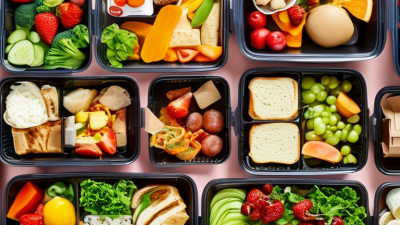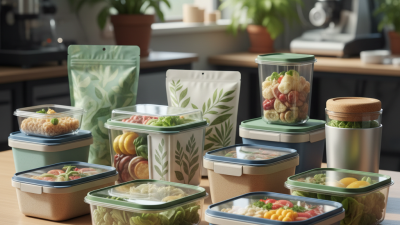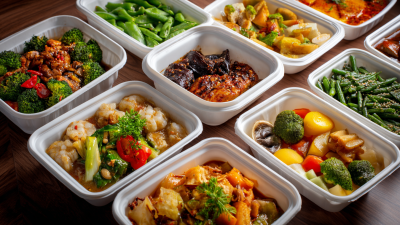
Choosing the best take out containers in 2026 is less about fashionable packaging and more about keeping food appealing from kitchen to customer. A lid that leaks in a delivery bag can undo careful cooking. A container that traps too much steam may soften crispy food before it reaches the table.
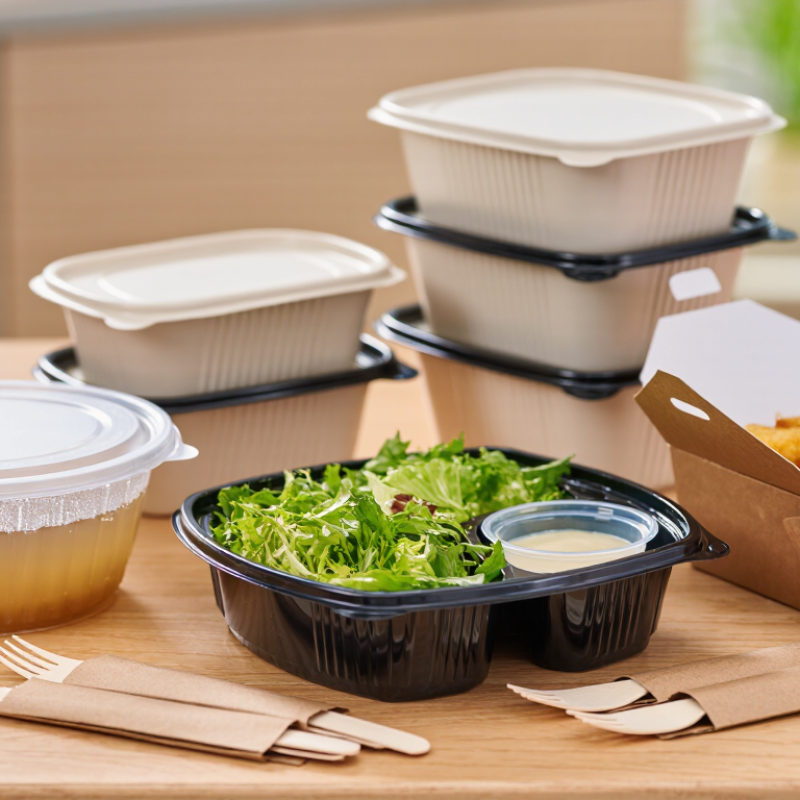
The right option depends on the meal, serving size, and delivery time. Soup needs a secure seal and a sturdy base. Salads often benefit from separate compartments for dressing and greens. For hot meals, check whether the container is intended for the food’s temperature and reheating needs. Fit matters, too: containers that stack neatly can save space during busy service, while awkward shapes may slow packing down.
Small details matter. In practice, useful comparisons go beyond price. Look at leak resistance, insulation, ease of opening, material, and how reliably lids fit. Ask suppliers for product specifications, and test samples with the foods you actually serve. A container can look strong on a shelf but feel flimsy when filled.
Nothing is perfect. A sustainable-looking material is not automatically the best choice for every dish or local disposal system. Businesses should verify what a product is made from and how customers can dispose of it. This guide explores the features that make take out containers practical in 2026, along with the trade-offs worth considering before choosing a solution.
The EPA’s 28.1% figure puts packaging at the center of the takeout-container question. It is a benchmark, not proof that every container has the same impact. Material, size, and local disposal options all matter. A paper box may look simple, yet a greasy base can complicate recycling. A plastic lid may be accepted locally, or not. Check local guidance before treating a label as a guarantee.
For restaurants, a better container starts with the meal. A snug lid can prevent broth from leaking in a delivery bag, while an oversized box wastes space and material. Choose sturdy, right-sized packaging that keeps food safe without unnecessary layers. Reusable systems can help where customers can return containers reliably. Compostable options make sense only where suitable collection and processing exist. That detail is easy to miss. I would not call one material universally best; even a well-chosen container can become waste when sorting instructions are unclear. The 2026 benchmark encourages a more practical test: Does the package protect the meal, use only what it needs, and fit the disposal systems people actually have?
Choosing a takeout container in 2026 starts with the meal, not a material trend. Paperboard suits sandwiches, pastries, and fairly dry rice bowls; its light walls stack neatly. Add oily noodles or hot gravy, though, and seams become important. Test a sample with the actual portion. Small detail, big difference.
Molded fiber works well for burgers, fries, and meals that benefit from some ventilation. Its textured surface handles warmth, but may soften when food sits in sauce. It can also feel bulky in a crowded bag. Not perfect. Plastic often suits soups, saucy meals, and chilled sides because secure lids and clear walls help during handoff. Trapped steam, however, can make crisp food limp. Reuse and recycling options vary by local collection systems.
Aluminum can suit baked pasta, roasted vegetables, and other dishes meant for oven reheating, when the container is designed for it. It holds its shape, but generally should not go in a microwave. Match the container size to the portion: excess space lets food slide, while a tight fit invites spills. I still misjudge headspace sometimes.
Comparative suitability ratings from 1 (less suitable) to 5 (more suitable), based on typical heat, moisture, and grease-handling characteristics. These are illustrative ratings, not laboratory measurements; coatings, construction, local recycling rules, and food temperature can change performance. Check packaging instructions before reheating.
What Are the Best Take Out Containers in 2026?
The best takeout container is not simply leakproof or microwave-safe. Its materials must suit the food, temperature, and contact time. The National Restaurant Association’s 2024 State of the Restaurant Industry report found that 53% of U.S. adults consider takeout or delivery essential to their lifestyle. That demand makes packaging choices consequential. A hot, oily curry can challenge a container differently than a chilled salad.
Check the material against FDA 21 CFR Parts 174–178. These rules cover indirect food additives, including adhesives and coatings, paper and paperboard, polymers, and certain production aids. They authorize specific substances under stated conditions; they do not provide blanket approval for every finished container. Ask suppliers for documentation identifying the material and its intended food types, temperatures, and use conditions. “Food grade” alone is not enough. Small details matter.
For a practical review, match each container component to its use: the base, lid, liner, ink, and adhesive may differ. Confirm that the evidence covers hot filling, reheating, or fatty foods when relevant. FDA’s food-contact regulations are the reference point, but supplier records need careful reading. I would not assume two containers made from the same resin perform identically. That assumption deserves a second look. Choose packaging only after checking its documented conditions against the actual menu and service routine.
| Container Material | Common Takeout Uses | Practical Strengths | Important Limitations | Relevant FDA Food-Contact Regulations to Check | What to Verify Before Use |
|---|---|---|---|---|---|
| Polypropylene (PP) | Hot meals, soups, meal-prep portions, and reusable food-storage tubs. | Often selected for heat-tolerant food containers; some PP containers are labeled for microwave use. | Microwave suitability depends on the specific container and its instructions. Lids, seals, and container bodies may have different limits. | 21 CFR § 177.1520 covers specified olefin polymers, including qualifying polypropylene materials. | Confirm the finished article’s intended food types, temperature and contact conditions, and microwave-use instructions. Check the complete formulation and supplier documentation. |
| Polyethylene terephthalate (PET) | Cold salads, chilled meals, bakery items, and clear food-display packaging. | Transparent and commonly used when product visibility is important. | Do not assume a standard PET container is suitable for hot filling or microwave heating; intended-use limits vary by product. | 21 CFR § 177.1630 covers specified polyethylene phthalate polymers. | Verify the resin and finished-container compliance for the actual food type, contact time, and temperature. Follow any stated restrictions on heating or reuse. |
| Polystyrene (PS) foam or rigid PS | Some cold-food cups, trays, and lightweight food-service containers. | Lightweight and can provide insulation when manufactured as foam. | Not every PS product is suitable for hot, fatty, or microwave-heated foods. Local restrictions on certain food-service foam products may also apply. | 21 CFR § 177.1640 covers specified polystyrene and rubber-modified polystyrene polymers. | Check the specific food-contact authorization and conditions of use for the formulation and finished article. Separately check applicable state and local rules. |
| Paper or paperboard | Takeout boxes, cartons, trays, wraps, and food-service bowls, often with a barrier or coating. | Lightweight and suitable for many dry or short-term food-service applications, depending on design. | Uncoated paper can absorb moisture and grease. A coating, adhesive, or printing component may affect suitability for a particular food or temperature. | 21 CFR §§ 176.170 and 176.180 address specified components of paper and paperboard in contact with aqueous and fatty foods, and dry foods, respectively. | Identify whether the food is aqueous, fatty, or dry and confirm the applicable conditions of use. Request documentation for the paper, coatings, adhesives, and other food-contact components. |
| Molded fiber, including plant-fiber products | Clamshells, bowls, plates, and trays for hot or cold foods. | Rigid molded shapes can suit a range of food-service uses; performance depends on fiber processing and any added barrier. | Grease, moisture, heat, and leak resistance vary by product. A plant-based description alone does not establish food-contact compliance. | Paper and paperboard provisions in 21 CFR Part 176 may be relevant; coatings, adhesives, and other components may also require review under applicable provisions of Parts 175–178. | Request product-specific compliance documentation covering the complete article, including wet-strength agents, grease barriers, coatings, and intended contact conditions. |
| Aluminum foil or foil trays | Oven-oriented meal trays, wraps, and containers for hot foods. | Useful where a container is specifically designed for oven heating or heat retention. | Not suitable for microwave use unless the appliance and product instructions explicitly permit it. Lids, coatings, and seams can change the permitted use. | There is no single general citation in Parts 174–178 that establishes compliance for every aluminum container. Coatings and other components may be subject to applicable food-contact provisions, including 21 CFR § 175.300 for certain resinous and polymeric coatings. | Check the manufacturer’s intended-use statement, food-contact documentation, coating details, and heating instructions. Do not infer oven or microwave suitability from the material name alone. |
| Reusable rubber or silicone-type articles | Reusable lids, seals, and certain flexible food-contact components. | May be useful for repeated-use components when the finished article is designed and documented for that purpose. | Heat limits, repeated-use suitability, and compatibility with foods vary with the formulation and article design. | 21 CFR § 177.2600 addresses specified rubber articles intended for repeated use; applicability depends on the material and product. | Verify that the regulation applies to the actual formulation and that the finished article meets the relevant use conditions. Check cleaning, temperature, and reuse instructions. |
Compliance note: A material name or citation alone does not establish that a finished takeout container complies for every use. Food-contact compliance depends on the specific formulation, all contacting components, the food type, and conditions such as temperature, contact time, and repeated use. Request current, product-specific documentation and follow the container’s use instructions.
A takeout container can look compostable and still fail at the local composting site. In 2026, check the material claim, not just the color or leaf symbol. Ask which exact container was tested. Small details matter.
ASTM D6400 covers plastics designed for composting in municipal or industrial facilities. ASTM D6868 addresses paper or other compostable substrates with plastic coatings or additives. Both involve defined testing, including breakdown under controlled composting conditions. They do not prove a container will compost in a backyard bin. Nor do they guarantee a nearby facility will accept it. That distinction is easy to miss.
Request current, item-specific test records or certification, and check whether the lid, lining, ink, and food-contact surface are included. A supplier’s claim about one material may not cover the finished container. Then ask your waste hauler what it accepts; some facilities reject certified items to avoid contamination. I would still want clearer labels at the point of disposal. They are often confusing.
Choose take-out containers by testing the whole package, not just the base. Fill one with broth, seal it, and tip it over a sink; then check for leaks around the rim. Repeat with hot food, since steam and sauces can expose weak closures. For heat retention, compare how quickly similar meals cool in real delivery conditions. The USDA Food Safety and Inspection Service identifies 40°F to 140°F as the food safety “Danger Zone.” Insulation helps, but it cannot replace safe temperature control. Small detail, big difference.
Compare cost per complete order, including lids, sleeves, and the occasional leak-related remake. A low unit price may not be the low-cost choice. Disposal needs a local check, too: “compostable” does not mean accepted by every collection program. The U.S. EPA’s 2018 Advancing Sustainable Materials Management report estimated that plastic containers and packaging had a 13.6% recycling rate. That national figure is a warning, not a prediction for your town. Ask local waste providers what they accept, and check whether paper containers with food residue can be recycled. The awkward part: one container rarely wins on every measure. Recheck your choice when menus or local collection rules change.