What Is Plastic Packaging and Which Types Do Buyers Need?

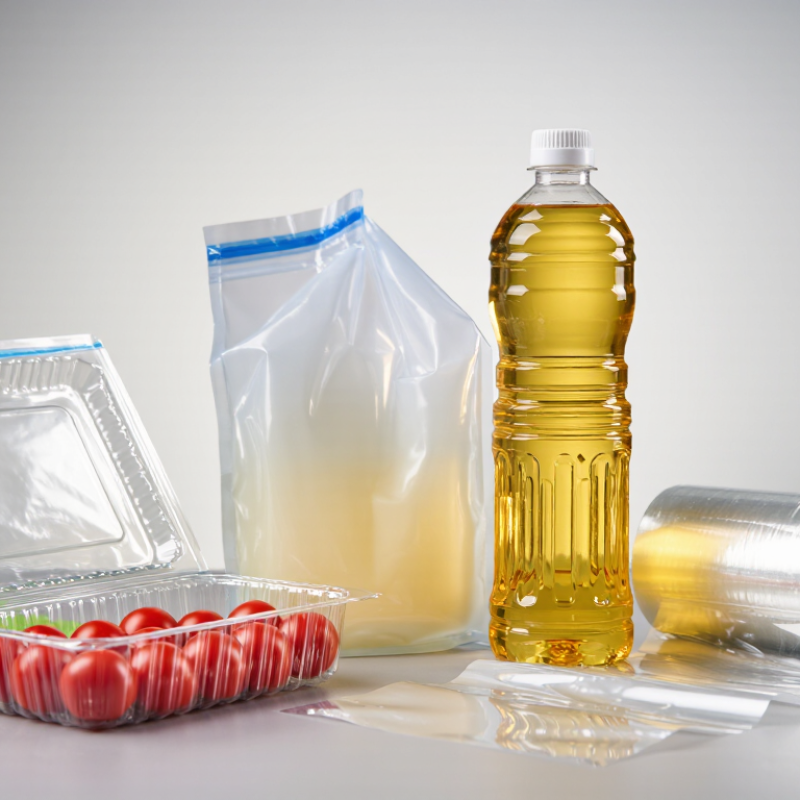
Plastic packaging protects food, medicine, cosmetics, and industrial goods during storage and transport. It may appear simple, but each format solves a different problem. Bottles handle liquids. Trays support fresh products. Pouches reduce material use and shipping weight. Films protect surfaces from moisture, dust, and oxygen.

Ellen MacArthur, founder of the Ellen MacArthur Foundation, has said, “We need to move from a take-make-dispose model to a circular economy.” Her observation remains important for every packaging buyer. A low-cost package can create higher expenses through product damage, difficult recycling, or excessive material use. Buyers should examine barrier performance, durability, sealing methods, product compatibility, and end-of-life options. Food producers may need high oxygen protection. E-commerce companies may value puncture resistance and compact shipping. Retail brands often require clear appearance, stable printing, and reliable shelf presentation.

The right plastic packaging is never chosen by price alone. It must fit the product, equipment, market, and disposal infrastructure. A recyclable package is not automatically recycled everywhere. That uncomfortable detail deserves attention. Buyers should request technical data, migration information, recycled-content evidence, and supplier quality records. Small trials can reveal weak seals, cloudy films, or crushed corners before full production begins. Experience matters here. Specifications may look complete, yet real warehouse handling can expose problems quickly. No format is perfect. Responsible purchasing means balancing protection, material efficiency, customer expectations, and practical recovery options.
What Is Plastic Packaging and Which Types Do Buyers Need?

What Is Plastic Packaging?

Plastic packaging is a protective material made mainly from polymer resins. It surrounds, holds, or seals products during storage, transport, and use. Unlike glass or metal, plastic can become films, bottles, trays, caps, and flexible pouches. It is lightweight. This can reduce shipping weight, but disposal remains a serious concern. Common materials include PET for clear bottles, HDPE for rigid containers, PP for tubs and closures, and LDPE for films. Each material behaves differently under heat, pressure, moisture, and impact.

In practical packaging work, selection starts with product sensitivity. A moisture-sensitive powder may need a high-barrier pouch. A liquid cleaner may require a strong bottle and a leak-resistant closure. Fresh food often needs controlled oxygen or water-vapor transmission. Clear packaging helps shoppers inspect contents, while opaque structures can protect light-sensitive products. Packaging may also use layers, coatings, or additives to improve performance. However, more layers can make recycling harder. That trade-off deserves careful review.

Buyers should check resin identification, wall thickness, seal strength, drop resistance, and storage temperature. They should also request test data, migration information where relevant, and consistent production samples. Recycled content can reduce dependence on new resin, but its quality and suitability must be verified. I have found that a package that looks efficient may still waste material through oversized dimensions. The opposite problem is real too. Thin packaging can fail during handling. No design is perfect. Good decisions balance protection, usability, recovery options, and the product’s actual risks.

How Plastic Packaging Is Made and Classified

Plastic packaging begins as small resin pellets, often sorted by polymer type and intended performance. Manufacturers heat these pellets until they soften, then shape them through controlled equipment. Temperature, pressure, cooling speed, and mold design affect the final package.

In a typical extrusion process, softened plastic passes through a narrow opening and becomes film, sheet, or tubing. Injection molding pushes material into a mold, creating caps, trays, and rigid containers. Blow molding expands a heated tube against a mold, forming bottles with hollow interiors. Thermoforming heats plastic sheets and presses them over shaped tools. Small differences matter. Uneven cooling can cause warping, weak corners, or poor sealing.

Buyers usually classify packaging by material, structure, and application. Rigid packaging includes jars, tubs, trays, and bottles. Flexible packaging includes pouches, wraps, and thin films. Some products use several layers, combining strength, moisture resistance, and printability. Buyers should also check thickness, closure design, barrier performance, and compatibility with filling equipment. Food-contact use requires suitable material specifications and documented testing.

Recyclability is not determined by appearance alone. It can depend on polymer type, color, additives, labels, and local processing systems. I have seen clear packaging rejected because its layers were difficult to separate. The classification may look simple, but real purchasing decisions rarely are. A useful specification should describe resin, dimensions, production method, tolerance, and end-of-life options. There is still room for better design.

What Is Plastic Packaging and Which Types Do Buyers Need?

Plastic Type Resin Identification Code Key Characteristics Typical Packaging Formats Common Processing Methods Typical Buyer Requirements Recycling Considerations
Polyethylene Terephthalate (PET) #1 Clear, lightweight, strong, and provides good resistance to carbon dioxide and moisture. Bottles, jars, trays, thermoformed containers, and clear films. Injection molding, stretch blow molding, extrusion, and thermoforming. High clarity, low weight, dimensional stability, and reliable product visibility. Widely collected in many recycling systems; should be clean and separated from incompatible materials.
High-Density Polyethylene (HDPE) #2 Tough, chemically resistant, and available in both translucent and opaque grades. Liquid containers, jugs, bottles, closures, drums, and rigid containers. Blow molding, injection molding, extrusion, and rotational molding. Impact resistance, chemical compatibility, leak prevention, and stackability. Commonly accepted by recycling programs; color and additives can affect end-market value.
Polyvinyl Chloride (PVC) #3 Rigid or flexible, durable, and resistant to oils and many chemicals. Blister packs, clamshells, shrink films, tubes, and specialty containers. Calendering, extrusion, thermoforming, injection molding, and blow molding. Formability, product protection, transparency, and resistance to puncture. Recycling access is limited in many areas; it should not be mixed with PET or other common packaging streams.
Low-Density Polyethylene (LDPE) #4 Flexible, moisture resistant, lightweight, and relatively soft. Squeeze bottles, pouches, liners, flexible films, bags, and wraps. Film extrusion, blown-film processing, extrusion coating, and injection molding. Flexibility, sealability, puncture resistance, and moisture protection. Film recycling often requires dedicated collection; loose films may be unsuitable for curbside systems.
Polypropylene (PP) #5 Lightweight, fatigue resistant, chemically resistant, and generally suitable for higher-use temperatures than PE. Caps, closures, tubs, food containers, woven sacks, films, and reusable boxes. Injection molding, extrusion, blow molding, thermoforming, and film production. Hinge durability, heat tolerance, low density, chemical resistance, and low material consumption. Accepted by some recycling programs; availability varies by location and packaging format.
Polystyrene (PS) #6 Can be rigid and clear or expanded and lightweight; offers good stiffness but can be brittle. Trays, cups, protective inserts, food containers, and cushioning components. Injection molding, extrusion, thermoforming, and foam expansion. Low cost, low weight, insulation, stiffness, and easy forming. Collection is limited in many regions, especially for expanded foam formats.
Other Plastics and Multilayer Structures #7 May include polycarbonate, polyamide, bio-based polymers, or combinations of different resin layers. High-barrier pouches, specialty trays, refill packs, medical packaging, and technical containers. Coextrusion, lamination, injection molding, thermoforming, and film conversion. Extended shelf life, oxygen or light barrier, puncture resistance, and specialized performance. Recycling depends on the specific resin and structure; multilayer packaging is often difficult to mechanically recycle.
Buyer selection checklist: Match the plastic type to the product’s barrier, strength, temperature, chemical-resistance, appearance, sealing, regulatory, logistics, and end-of-life requirements. Recycling availability varies by location and packaging format.

Which Plastic Packaging Types Are Available?

Plastic packaging includes containers and flexible materials made from different polymer types. Each type serves a specific handling and protection need. Buyers should match the material with the product, filling process, storage conditions, and delivery route.

PET is clear, lightweight, and commonly used for beverage bottles, food containers, and personal-care packaging.

HDPE is stronger and more opaque, making it suitable for bottles, jugs, and chemical-resistant containers.

PP handles heat well and works for tubs, caps, trays, and reusable containers.

LDPE is soft and flexible, so it appears in squeeze bottles, bags, and protective films.

PVC can provide durability and clarity, but buyers should confirm whether it fits their product and local recycling systems.

Plastic films, stand-up pouches, shrink wrap, and laminated bags offer lighter shipping options. However, their layered structures may be harder to recycle.

Tips: Check thickness, seal strength, closure fit, and product compatibility before ordering. Test samples under real storage and transport conditions. A container may look ideal but still leak after temperature changes. Small details matter.

Packaging decisions are rarely perfect on the first attempt. Cost, appearance, shelf life, and environmental goals can conflict. A practical review should record both successful results and unexpected weaknesses. This evidence helps buyers choose a type that performs reliably, not merely one that looks attractive.

How Buyers Should Compare Plastic Packaging Options

Comparing plastic packaging starts with the product, not the package itself. A liquid cleaner may need a strong bottle, a secure closure, and resistance to leakage. Fresh food may require oxygen or moisture control. A package that looks suitable can still fail during filling, transport, or storage.

Buyers should compare resin type, wall thickness, barrier performance, and sealing quality. Request technical data, migration information, and test results from each supplier. Drop tests can reveal weak corners. Compression tests show whether stacked cartons may damage containers. Check how the package performs at the actual filling temperature. Small differences matter.

Price alone creates poor decisions. Compare unit cost, tooling, minimum order quantity, freight, and expected waste. Recycled content may support sustainability goals, but buyers should verify its percentage and consistency. Ask whether the package fits available sorting or recovery systems. Local infrastructure can change the practical outcome. It is easy to overestimate recyclability. I have seen a lighter package reduce shipping emissions, yet its thin walls caused more damage. That trade-off deserves careful review.

Samples should be tested with the real product, closure, label, and shipping conditions. Keep records of leakage, odor transfer, discoloration, and deformation. Supplier experience matters, but documented performance matters more. A clear specification prevents later arguments. Even experienced teams can overlook humidity or warehouse heat. Leave room for another test.

What Factors Influence Plastic Packaging Selection?

Plastic packaging selection begins with the product, not the material catalogue. Buyers should assess moisture, oxygen, light, impact, temperature, and shelf-life requirements. A dry snack may need a thin barrier pouch, while a liquid cleaner may require a rigid bottle with a secure closure. Packaging must also fit filling lines, warehouse stacking, transport conditions, and customer handling.

Cost remains important, but it is only one factor. The OECD’s Global Plastics Outlook (2022) reported that packaging represented about 40% of global plastic use in 2019. The same report found that only 9% of plastic waste was recycled. These figures make material efficiency and end-of-life planning practical purchasing concerns. Buyers should compare weight, recycled content, mono-material options, local collection systems, and actual recovery rates. A recyclable label means little if the local facility cannot process it.

Performance needs evidence. Request migration tests, seal-strength results, drop tests, and shelf-life data from qualified suppliers. For sensitive products, a small pilot run can reveal weak seals, label lifting, or crushing during pallet storage. The cheapest quote may become expensive after damaged goods and line stoppages. I would still challenge every specification; some packaging is over-engineered. However, reducing thickness without testing can create waste rather than prevent it. Plastics Europe’s Plastics—The Fast Facts 2024 reported global plastics production of roughly 413 million tonnes in 2023, reinforcing the value of precise, data-led material choices.